
The Anatomy of a Con Line
The lines at New York Comic Con are the stuff of legend, a defining feature of the East Coast's premier fan gathering. They form hours before the Javits Center doors even open, a human tapestry of cosplay,
camping chairs, and palpable anticipation. These aren't just lines for entry; they are distinct, purpose-driven ecosystems. There's the line for a coveted panel where creators might drop a major announcement. There's another, even more intense line, for the DC or Monogram booth to snag a convention-exclusive collectible that won't be sold anywhere else. And then there are the queues for a fleeting moment with a favorite celebrity or artist. Each line represents a different tribe, united by a singular, passionate goal for that day, that hour, or that minute.
The Psychology of the 'Must-Have'
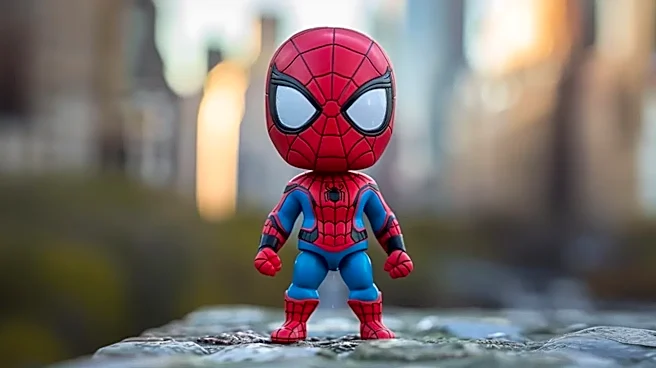
Why endure the wait? It's a question answered by a core principle of psychology: scarcity. The entire commercial engine of a fan convention runs on it. Limited-edition merchandise, from comics with exclusive covers to unique collectibles, creates a powerful sense of urgency. The value isn't just in the item itself, but in its rarity. Psychologists note that the more valuable the perceived service or product, the longer people are willing to wait. This principle is on full display as fans strategize for days, knowing that a panel is a once-in-a-lifetime experience or that a specific Funko Pop will be gone in an hour. This manufactured scarcity transforms a simple purchase into a quest, and the line becomes the first part of that adventure.
The Unspoken Rules of the Queue
In what could be chaos, a surprising social order emerges. Crowd psychology explains that when a group shares a common goal, informal rules and a sense of fairness take hold. The concept of 'first-come, first-served' is sacrosanct, and any violation can lead to collective outrage. People hold spots for friends on bathroom breaks, share portable chargers, and trade information about other lines or panels. This shared experience reduces the anxiety and frustration that often comes with waiting. Studies on queuing show that unoccupied time feels longer than occupied time, and solo waiting feels longer than group waiting. In a Comic Con line, you are rarely alone, and the time is filled with conversation, phone-checking, and the communal energy of the crowd, effectively hacking the psychology of the wait.
The Line as a Feature, Not a Bug
For many veteran attendees, the line is not a drawback but an integral part of the Comic Con experience. It’s a participatory culture in miniature, where fans are not just passive consumers but active community members. Friendships are forged over a shared love for a niche anime, cosplay techniques are admired and discussed, and the hours spent on the concrete become a bonding experience. One attendee noted that while waiting for a signing, the hour-plus wait was fine because they were surrounded by friendly people. In these moments, the line transcends its logistical function. It becomes a social space—a decompression chamber from the overstimulation inside and a place where the community aspect of fandom is at its most visible and vibrant.