


The Tangible Terror of Practicality
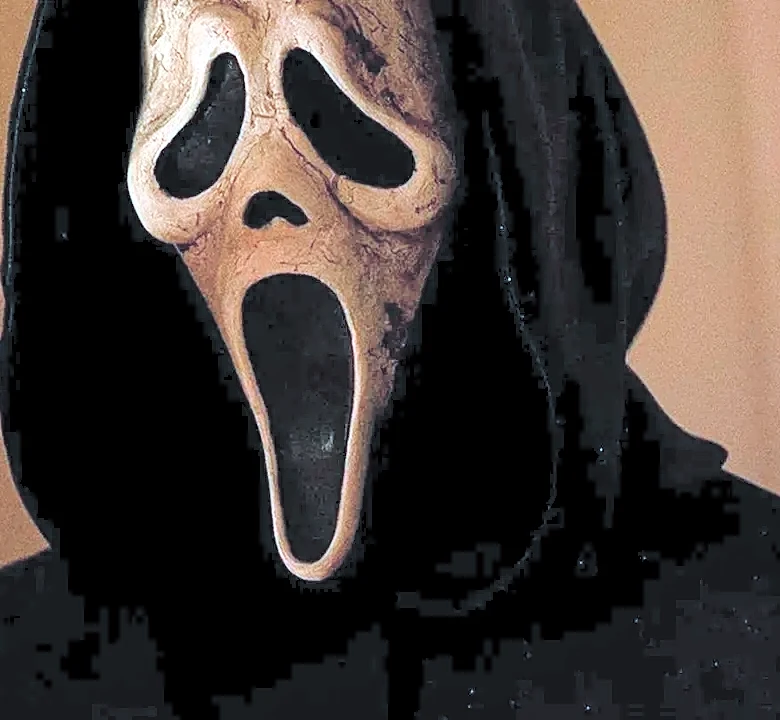
At its core, the debate between practical effects and computer-generated imagery (CGI) comes down to one simple thing: weight. Practical effects, which include everything from makeup and prosthetics to animatronics and puppets, have a physical presence
on set. They exist in the real world. They cast actual shadows under the same lights as the actors. When a creature made of latex and silicone oozes slime, that slime is really there, catching the light and sticking to the floor. Our brains, conditioned to interpret the real world, subconsciously register this tangibility as more credible, making the horror feel more immediate and authentic. This physicality creates a visceral reaction that even the most advanced digital rendering can struggle to replicate. The subtle imperfections are what sell the scare.
The Monster in the Room
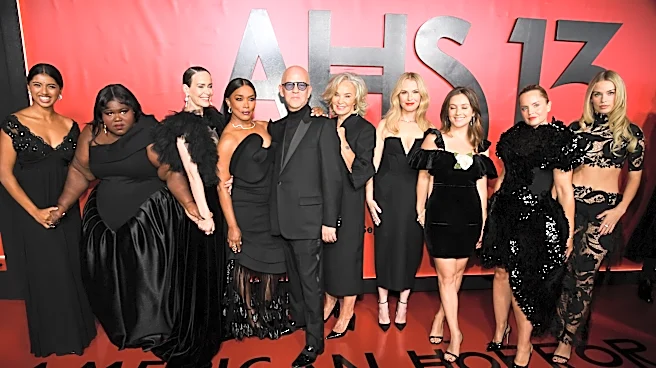
Look no further than Vecna, the nightmarish villain of “Stranger Things.” The show’s creators, the Duffer Brothers, insisted on bringing the character to life primarily through practical means. The result was that actor Jamie Campbell Bower spent over seven hours in a makeup chair to be encased in a full-body prosthetic suit. The creators estimate the final on-screen character is about 90-95% practical. This had a profound impact on set. Instead of acting opposite a tennis ball on a stick, the show's young cast was face-to-face with a breathing, speaking monster. This allows for more genuine, terrified performances, elevating the entire scene from a technical exercise to a palpable confrontation. Similarly, the grotesque and surreal creations in series like “American Horror Story” rely heavily on the artistry of makeup and prosthetic specialists to ground its horrors in a disturbing reality.
Why CGI Can Feel Weightless
CGI has given filmmakers limitless possibilities, allowing them to conjure skyscraper-sized monsters and otherworldly dimensions. Yet, it can sometimes fall into an “uncanny valley” of horror, where creations are almost real, but a certain slickness or digital smoothness gives them away. Even with incredible detail, a digital creature might not seem fully integrated into its environment. The way it interacts with light, dust, and other actors can feel slightly off, creating a subconscious disconnect for the viewer. This isn’t to say CGI can’t be scary, but it often produces a different kind of fear—one of spectacle rather than the intimate, claustrophobic dread that comes from something that feels like it’s truly in the room.
A Modern, Monstrous Hybrid
Today, the conversation is less about practical versus CGI and more about a harmonious blend of the two. Modern television masters are using practical effects for the core performance and then enhancing them with digital flourishes. On “Stranger Things,” while Vecna himself was a physical suit, his writhing, vine-like tentacles were a CGI addition. This hybrid approach offers the best of both worlds: the tangible presence and actor interaction of a practical effect, with the boundary-pushing flexibility of digital artistry. Filmmakers can build a terrifyingly real creature and then use CGI to seamlessly erase wires, add atmospheric elements, or create movements that would be physically impossible, achieving a result that is greater than the sum of its parts.