


More Than a Brand, A Philosophy
To understand Zegna’s modern influence, you have to go back to 1910 in Trivero, a small town in the Italian Alps. Founder Ermenegildo Zegna didn’t just want to make beautiful fabrics; he wanted to build a community and a sustainable ecosystem around his
wool mill. He planted over 500,000 trees, creating the Oasi Zegna nature reserve, and built homes and recreational facilities for his workers. This wasn’t a marketing stunt—it was a foundational belief that quality products come from a quality environment and a high quality of life. This holistic vision, connecting clothing to nature and well-being, is the archival DNA that now resonates so strongly with a modern luxury consumer who values purpose and provenance over flashy logos.
The Fabric Is the Star
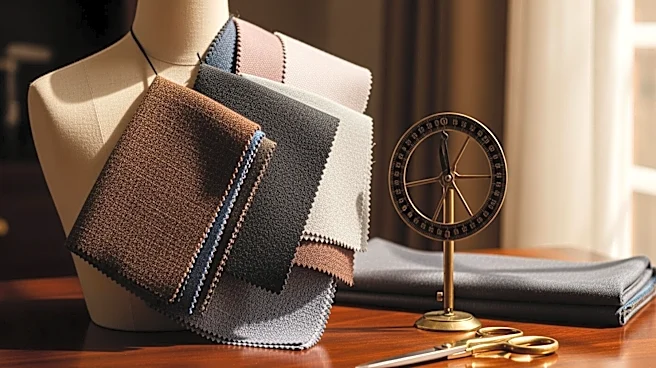
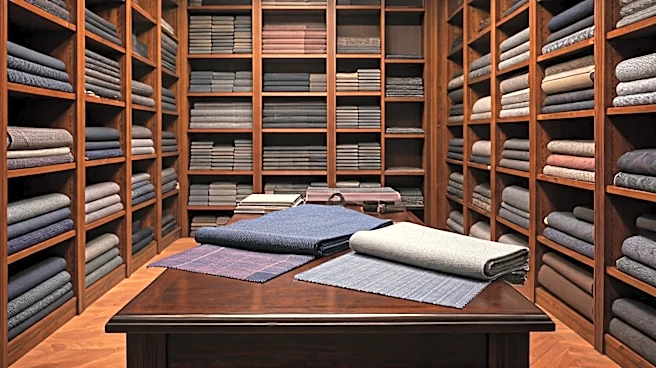
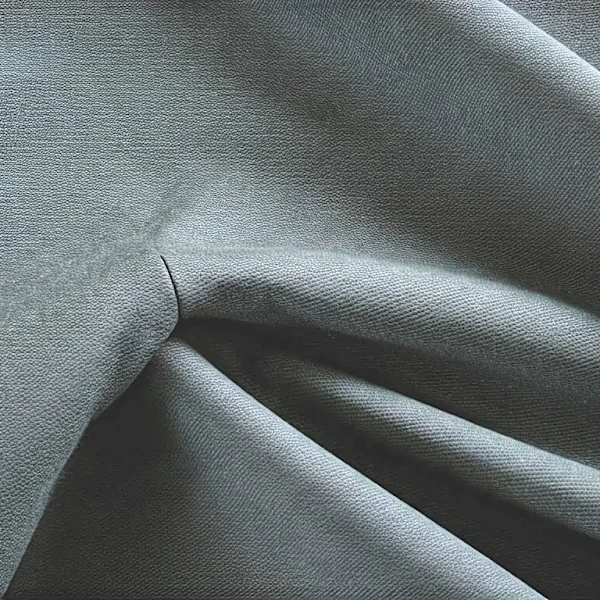
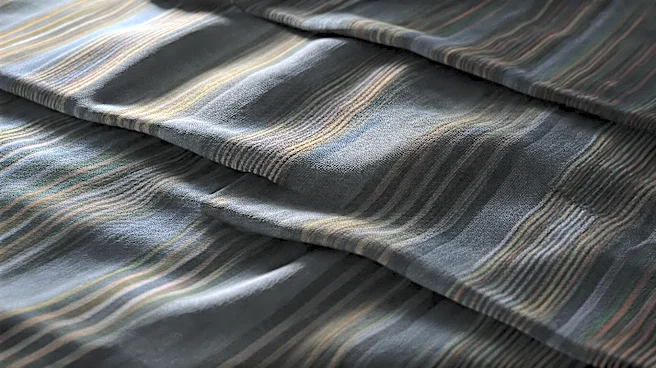
Before it was a global fashion house, Zegna was a world-class textile producer. This fabric-first approach is arguably its greatest archival legacy. While other brands focused on dramatic silhouettes, Zegna obsessed over the raw materials. The company scoured the globe for the finest wools, cashmeres, and vicuñas, investing in breeding programs and awarding prizes to farmers to ensure unparalleled quality. This obsession continues today. Under artistic director Alessandro Sartori, the brand has leveraged this expertise to create innovative materials like Techmerino—a machine-washable, breathable wool perfect for a life in motion. The archive taught Zegna that the feel, drape, and performance of a garment are the true markers of luxury. A Zegna jacket moves with you not because of a trend, but because the fabric was engineered for that exact purpose decades ago.
Deconstructing the Suit
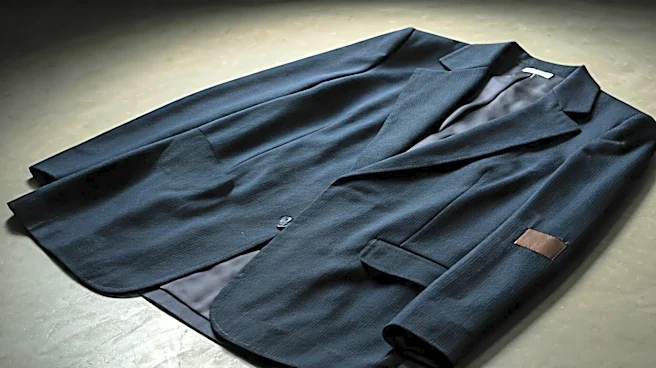
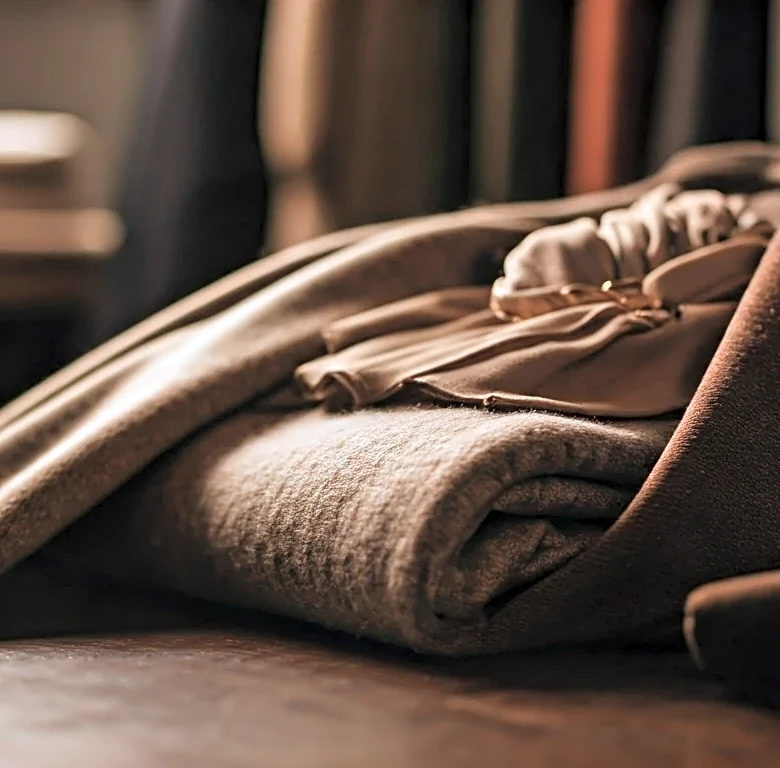
For much of the 20th century, the men’s suit was a rigid uniform. Zegna’s archive, however, contains the seeds of its undoing. Sartori has masterfully drawn from this history to pioneer what he calls the “new set” of tailoring. He looks back at the softer, less structured silhouettes from the ‘70s and ‘80s and reimagines them for today. The result is a wardrobe of deconstructed cashmere jackets that feel like sweaters, overshirts that can replace blazers, and trousers with the comfort of joggers but the elegance of formalwear. This isn't about destroying tradition; it's about evolving it. The archival influence is in the idea that clothing should adapt to a man’s life, not the other way around. It’s the permission to be supremely comfortable without sacrificing an ounce of sophistication, a concept that now defines the modern luxury wardrobe across the industry.
The Unseen Influence
So how does this all connect to what’s in stores today? Zegna’s archival principles—uncompromising material quality, functionality born from lifestyle, and a relaxed, nature-inspired elegance—have become the unofficial rulebook for “quiet luxury.” When you see a billionaire in a perfectly cut, logo-free cashmere hoodie or a creative director in a soft, unstructured blazer, you’re seeing the Zegna philosophy in action, whether the tag says Zegna or not. The brand perfected the art of looking put-together without looking like you tried too hard. It created a uniform for a man who values substance over spectacle. The modern luxury wardrobe isn’t about being the loudest person in the room; it’s about having the quiet confidence that comes from wearing something beautifully made, deeply considered, and effortlessly functional. That sensibility wasn't invented last season; it was woven into the fabric of Zegna over a century ago.