



More Than Just a Familiar Name
The impulse to protect a beloved original is understandable. Classics are classics for a reason. Yet, the best remakes aren’t trying to replace the original; they’re entering into a conversation with it. Think of it less as a cover band playing the same
song note-for-note and more like a new artist reinterpreting a standard for a different generation. When a filmmaker has a genuine vision, a remake can be a fascinating creative exercise. The goal isn't always to surpass the original but to offer a new perspective. Alexandre Aja’s remake of Maniac, for instance, adopts a jarring first-person POV, putting the audience directly inside the killer's head in a way the grimy 1980 original never did. It’s a stylistic choice that completely changes the viewing experience, justifying its existence by offering a different kind of discomfort.
Updating Terror for a New Era
Some fears are timeless, but others evolve. A great remake can translate the anxieties of one era for another. The 1978 version of Invasion of the Body Snatchers is a perfect example. While the 1956 original tapped into McCarthy-era fears of communist conformity, Philip Kaufman's remake reframed the story through the lens of post-Watergate paranoia and the New Age wellness movement, creating a masterpiece of social dread that felt entirely contemporary. More recently, the 2017 adaptation of Stephen King's IT moved the action from the 1950s to the 1980s. This wasn't just a cosmetic change; it allowed the film to tap into a powerful wave of '80s nostalgia while still exploring timeless themes of childhood trauma. The updated setting made the story accessible to a new generation who saw their own childhoods reflected in the movie's backdrop.
The Power of a Technical Glow-Up
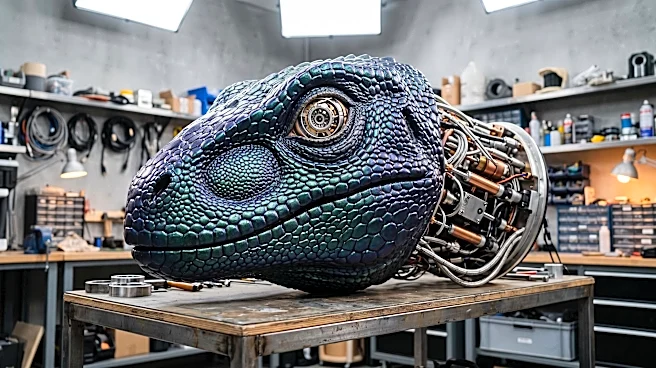
Let’s be honest: some older horror films are brilliant in concept but hampered by the technical limitations of their time. Modern filmmaking techniques, especially in practical and special effects, can unlock the terrifying potential of a story in ways previously unimaginable. No film proves this better than John Carpenter’s The Thing (1982). While the 1951 original is a solid sci-fi thriller, Carpenter’s remake, with its groundbreaking and grotesque practical effects by Rob Bottin, is a body-horror masterpiece that still shocks audiences today. Similarly, David Cronenberg’s 1986 remake of The Fly transformed a campy B-movie into a tragic and stomach-churning meditation on disease and bodily decay, thanks to incredible makeup and effects. These films used technology not as a crutch, but to finally visualize the horror that was always lurking within the story.
A Gateway to the Classics
Far from erasing film history, a successful remake can often serve as the perfect entry point for younger viewers. Many who flocked to see Gore Verbinski’s The Ring in 2002 were likely unaware of the original Japanese film, Ringu. The American remake’s success created a massive new audience for J-horror in the United States. Likewise, the box-office smash of IT (2017) undoubtedly led countless viewers back to the 1990 miniseries and, most importantly, to King's original novel. Zack Snyder's fast-paced, aggressive 2004 remake of Dawn of the Dead introduced a new generation to George A. Romero's work, even if its sprinting zombies were a major departure from the original's shambling ghouls. In this way, remakes can keep the legacy of the originals alive, sparking curiosity and encouraging a deeper dive into the genre's rich history.