






The Tangible Value of Craft
In a world saturated by mass-produced garments, New York Fashion Week carves out space for the tangible value of human skill. Craftsmanship isn’t merely a buzzword for expensive; it’s a collection of techniques that fast fashion’s high-volume, low-cost
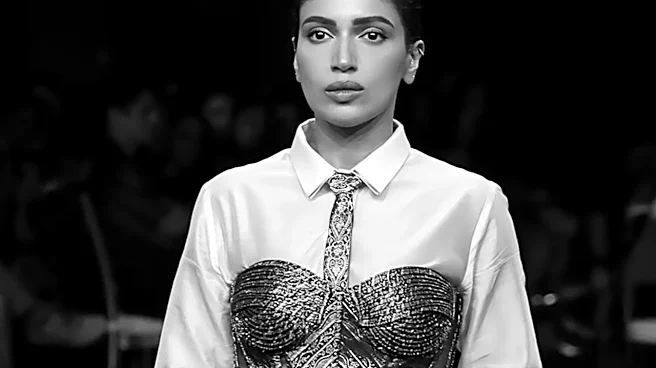
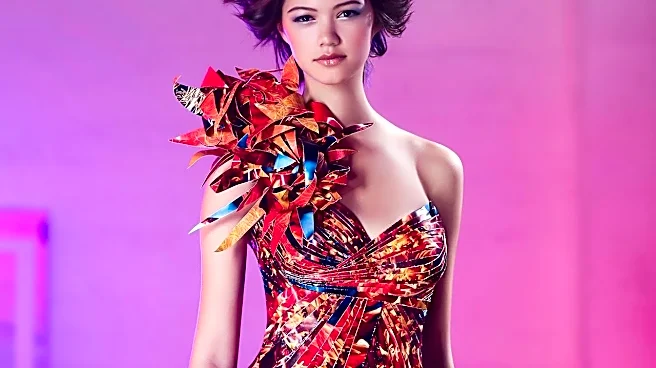
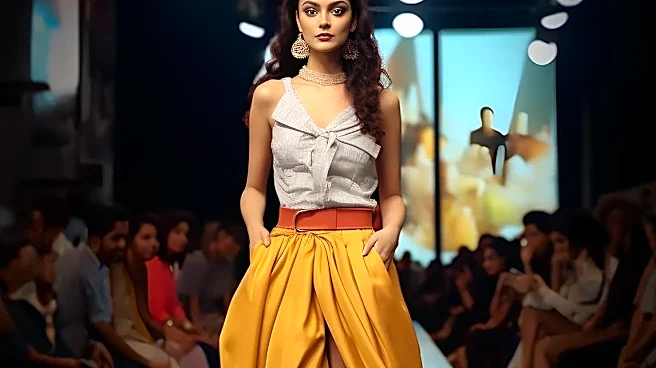
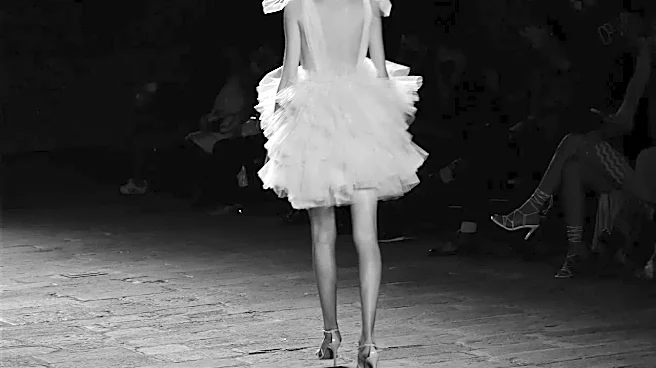
model simply cannot support. This season, designers are re-emphasizing artisanal methods as a core part of their storytelling. We see it in the architectural precision and sculptural knitwear from emerging labels, which rely on mastery of form that can't be simplified for a factory floor. This renewed focus on handmade and intricately constructed pieces serves as a quiet rebellion against the idea that all fashion should be instantaneous and disposable. It’s a return to what makes a garment feel special: the visible hand of its creator and the time invested in its construction.
Material Innovation Beyond the Basics
One of the clearest dividing lines between runway craft and fast-fashion replication is the choice of materials. Fast fashion thrives on predictable, inexpensive textiles like polyester and conventional cotton, which are optimized for rapid production. In contrast, NYFW designers often build their collections around innovative or difficult-to-source fabrics. This season has seen a focus on rich, tactile materials—from plush faux furs at Anna Sui to the lived-in, buttery leathers at Ralph Lauren that feel tough yet soft. Furthermore, a spotlight on sustainability is driving exploration into experimental materials and textile artistry, with some showcases focusing on things like hand-loomed fabrics and natural dyes that are inherently slow and specialized. These materials require unique handling and expertise, making them nearly impossible to substitute with cheap alternatives without losing their essential character.
The Impossibility of Replicating Silhouette and Structure
A fast-fashion dupe can mimic a color or a print, but it almost always fails to replicate a garment's intended silhouette and structure. The Fall 2026 shows have been a masterclass in this principle. Proenza Schouler, under Rachel Scott's new direction, showcased architectural tailoring and fluid silhouettes that balance structure with softness. Designers like Patricio Campillo and Zane Li are experimenting with exaggerated suiting and artful sportswear that sculpts the body in unconventional ways. These designs depend on complex pattern-making, internal structure, and a deep understanding of how fabric drapes and moves. A mass-market factory, built for speed, cannot dedicate the time needed for such precise tailoring. The result is a copy that might look similar on a hanger but collapses on the body, losing the very essence of the original design.
The Story That Can't Be Mass-Produced
Ultimately, the most significant limit of fast trend replication is its inability to copy a story. The craftsmanship at NYFW is about more than just technique; it's about narrative. It’s in Tory Burch’s meditation on longevity and enduring classics or Willy Chavarria's redefinition of American menswear through powerful cultural references. A garment from these collections carries the designer's vision, the brand's heritage, and the hours of skilled labor within its seams. This is the “aura” that cannot be reverse-engineered. While fast fashion excels at democratizing trends, it strips them of their context and soul. It offers the look without the legacy. For a growing number of consumers, the story behind a piece of clothing—its origins, its artistry, and its intended permanence—is becoming a crucial part of its value, something a quick copy can never truly offer.