





The Signature That Isn't a Shot
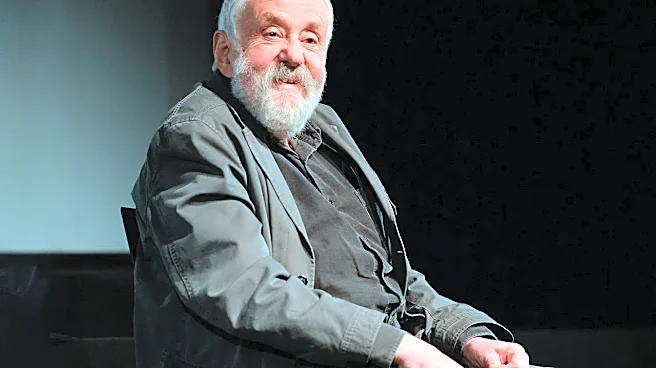
First, let's get one thing straight: Mike Leigh's 'signature shot' isn't a shot at all. You can’t point to a specific camera angle, a recurring visual motif, or a flashy editing technique and say, "That's him." Instead, his signature is the palpable,
lived-in authenticity that radiates from his characters. It’s the uncomfortable silences, the fumbling expressions of love and resentment, and the messy, often hilarious, reality of human relationships. His films, from the raw fury of "Naked" to the heartbreaking revelations in "Secrets & Lies," feel less constructed than witnessed. The real story, the 'untold' part for many, is that this feeling is the deliberate end product of one of the most unusual and intensive filmmaking processes in modern cinema. It’s a method that builds a film from the inside out, starting not with a script, but with people.
Building a World Without a Script
Leigh’s process famously begins with no script. Instead, he starts with a basic premise and then gathers a cast of actors, often regulars he has worked with for decades. For months, he works with each actor individually to build a character from scratch. This isn't just about learning lines; it’s about creating a complete person with a history, a personality, and a web of relationships. Actors develop their characters so deeply that they might go shopping in character to see how the world reacts to them. They collaborate with costume and production designers to decide what their character would wear and where they would live, ensuring every detail is an authentic expression of the person they've become. Only after these individuals are fully formed does Leigh begin introducing them to each other in improvised scenarios, mirroring the way people would meet in real life.
Finding the Film in the Room
What happens in these months of rehearsal is the film's true genesis. Leigh sets up situations and lets the actors, fully in character, react and interact. He records these improvisations, capturing hours of organic dialogue and emotional discovery. From this mountain of raw material, Leigh meticulously edits and structures the narrative. It’s only at this stage, after the story has been discovered by the actors, that something resembling a script is written down, often just before shooting. By the time the cameras roll, the actors aren't reciting memorized lines from a page; they are speaking words they themselves found, rooted in months of lived experience as that character. An electrician on set once reportedly noted his confusion, saying, “I don't understand it, there's no script, and they all know the lines.” This is the core of Leigh's magic: the performance is not an interpretation of a script, the script is a record of the performance.
The Art of Capturing Lightning
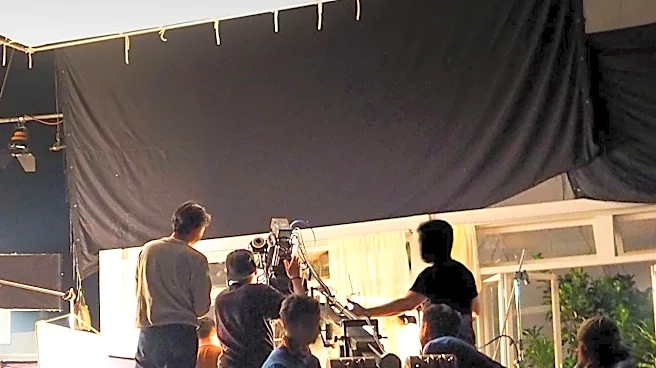
This is where the 'shot' finally comes in. Capturing these fragile, authentic moments requires a unique cinematographic approach. For over 30 years, Leigh's key collaborator was the late cinematographer Dick Pope, whose background in documentary filmmaking was a perfect match for Leigh's method. Their process on set was often reactive. The cast and crew would watch the actors perform the rehearsed, fully-formed scene for the first time, and only then would Leigh and Pope decide how to film it. There are rarely storyboards. The camerawork is typically patient and observational, designed to give the actors space rather than impose a visual style. In the famous eight-minute continuous take in "Secrets & Lies" where two characters meet for the first time, the camera doesn't dictate the emotion; it simply creates the space for a devastatingly real emotional explosion to occur, making the audience feel like they are in the cafe with them. That is the true 'signature shot': a camera that listens.