
Rule 1: Play with Proportions
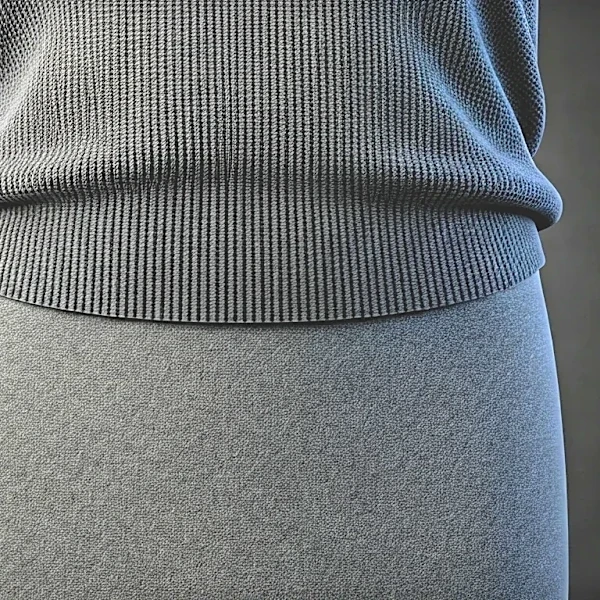
This is the foundational rule of oversized dressing. If you’re going big with one piece, go smaller with another. Think of it as creating a deliberate silhouette, not just wearing large clothes. Pair a voluminous, billowy blouse or a chunky oversized sweater
with slim-fit trousers, leggings, or a straight-leg jean. Conversely, if you're rocking wide-leg trousers or a flowing maxi skirt, keep your top fitted and simple—a snug turtleneck or a classic tank top works perfectly. This contrast ensures that the oversized piece is the intentional star of the show, while the rest of your outfit provides a grounding structure, preventing your entire figure from being swallowed by fabric.
Rule 2: Master the Art of the Tuck
The humble tuck is a stylist’s secret weapon for instantly creating a waistline and adding polish to a loose-fitting top. The most famous is the "French tuck," where you only tuck in the very front of your shirt, leaving the sides and back out. This simple move creates a flattering drape while defining your waist and elongating your legs. For an even more relaxed feel, try a half-tuck, where just one side of a button-down shirt is tucked in. And for oversized sweaters or T-shirts paired with high-waisted bottoms, a full tuck can look incredibly sharp, creating a clean line and emphasizing the silhouette of the pants or skirt. It's a small adjustment that makes a massive difference.
Rule 3: Show Some Skin (Strategically)
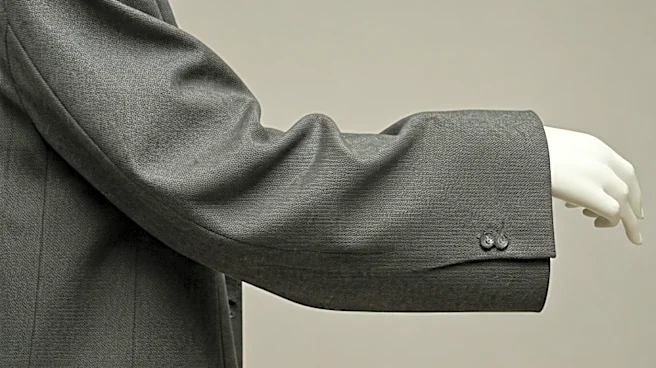
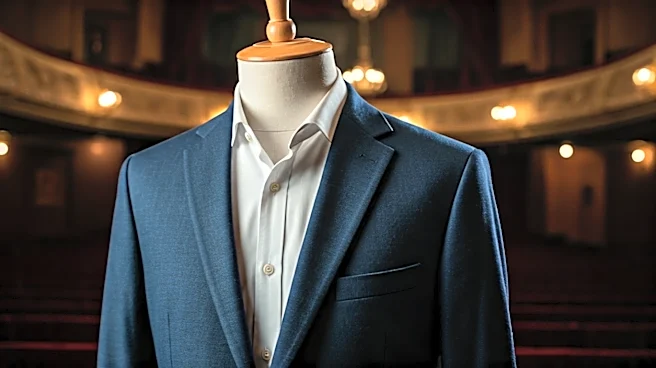
When you’re covered in fabric, revealing a little skin at key “anchor points” can bring back a sense of shape and delicacy. It’s not about being revealing, but about reminding the eye that there's a person under the volume. Roll the sleeves of an oversized blazer or button-down to expose your wrists and forearms. Unbutton the top few buttons of a shirt to show off your collarbone. Choose pants that are slightly cropped to flash an ankle. These small slivers of skin break up the mass of fabric, creating visual relief and highlighting the slimmest parts of your frame, which adds structure to the overall look.
Rule 4: Let Accessories Do the Work
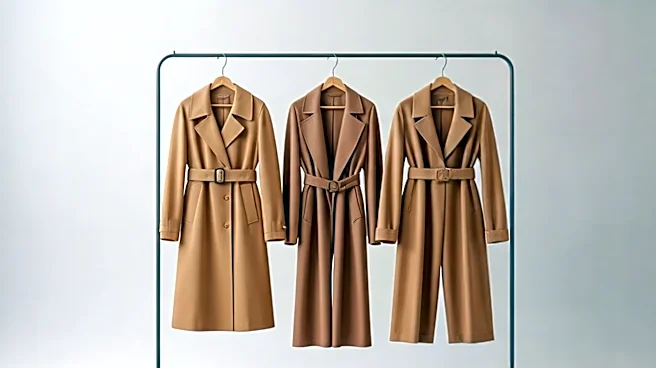
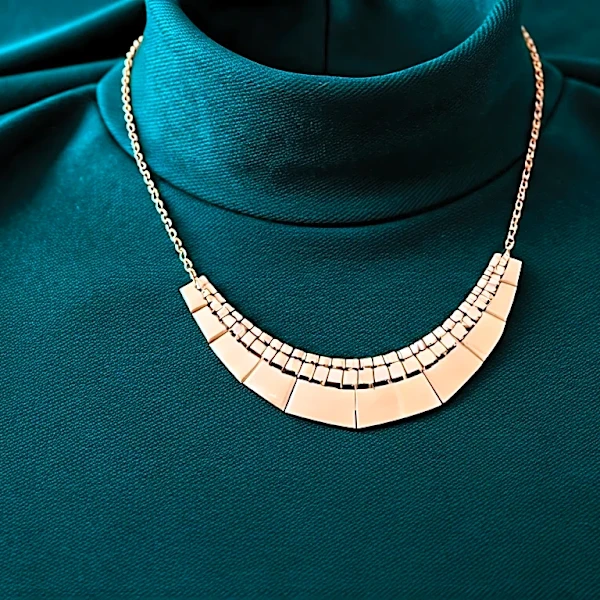
Accessories are your best friend when it comes to adding definition. A belt is the most obvious tool; cinching an oversized dress, blazer, or even a large cardigan at your natural waist immediately carves out a figure. But don't stop there. A crossbody bag worn tightly against the body can also create a diagonal line that breaks up the volume of a loose top or jacket. Layered necklaces can draw the eye vertically and add a point of focus near the neckline. The goal is to use these pieces to create lines and points of interest that guide the eye and add structure where the clothing itself doesn't.
Rule 5: Choose Your Fabric Wisely
Not all oversized pieces are created equal. The fabric makes a huge difference in how a garment hangs. Stiffer, more structured materials like denim, thick cotton, corduroy, or wool hold their own shape and stand away from the body. This can be great for creating a specific, architectural silhouette. On the other hand, drapey, fluid fabrics like silk, satin, or lightweight knits will cling and move with you, hinting at the shape underneath without being tight. A drapey oversized blouse, for example, will feel less overwhelming than a stiff, boxy one of the same size. Consider the effect you want: do you want the garment to create its own shape, or do you want it to flow around yours?
Rule 6: Ground the Look with Footwear
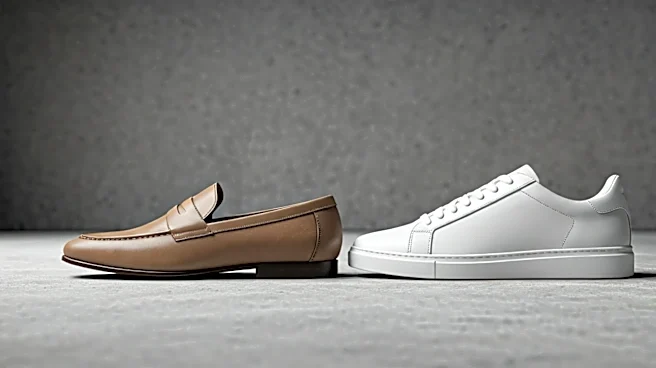
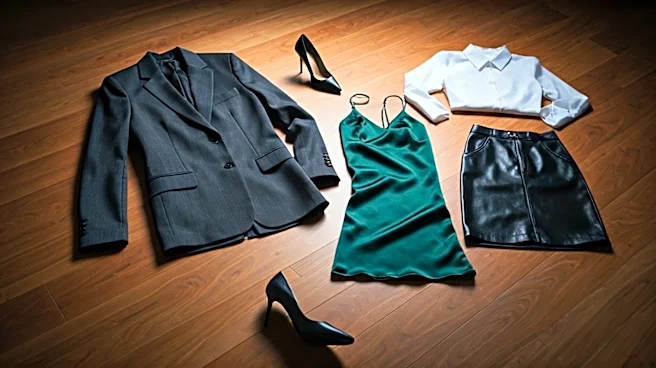
The shoes you choose can make or break an oversized outfit. Because voluminous clothing can feel heavy, your footwear needs to provide a strong foundation. A chunky lug-sole boot or a substantial platform sneaker can balance the weight of an oversized coat or wide-leg pants, making the look feel intentional and grounded. Conversely, a delicate, pointed-toe heel or a sleek flat can create an elegant contrast with a baggy suit or a slouchy pair of trousers, adding a touch of sharpness and sophistication. Avoid flimsy or nondescript shoes that can get lost and make the entire outfit seem unbalanced.