


The Anatomy of a Modern 'Effortless' Look
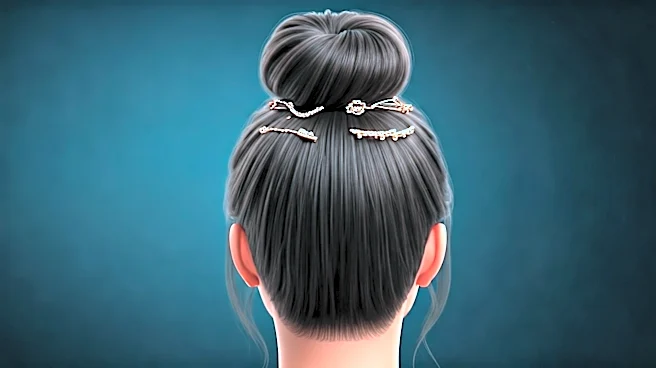
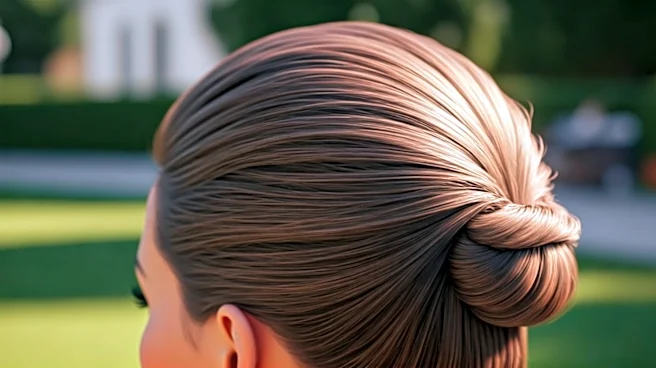
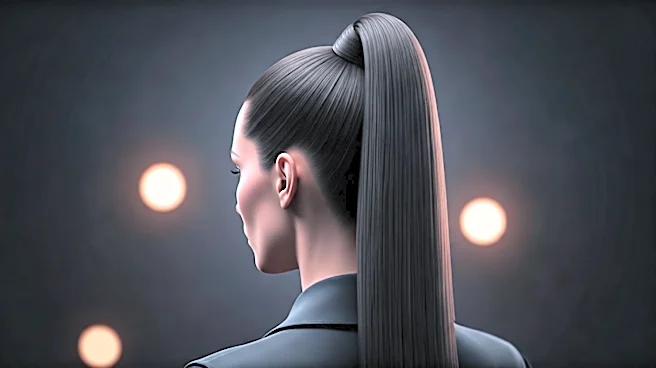
Scroll through social media, and you can’t miss her: the “clean girl.” She’s got dewy skin, minimal makeup, a neutral-toned wardrobe, and, invariably, the hair to match. Her signature style is a sleek, tightly-pulled bun, positioned neatly at the back
of her head, with not a strand out of place. It’s a look that screams “I just threw this together” while simultaneously projecting an image of discipline, wellness, and understated polish. The aesthetic, which rose to viral prominence around 2022, is presented as the epitome of low-maintenance chic—a quick, elegant solution for the modern woman on the go.
The Hidden 'Engineering' of Simplicity
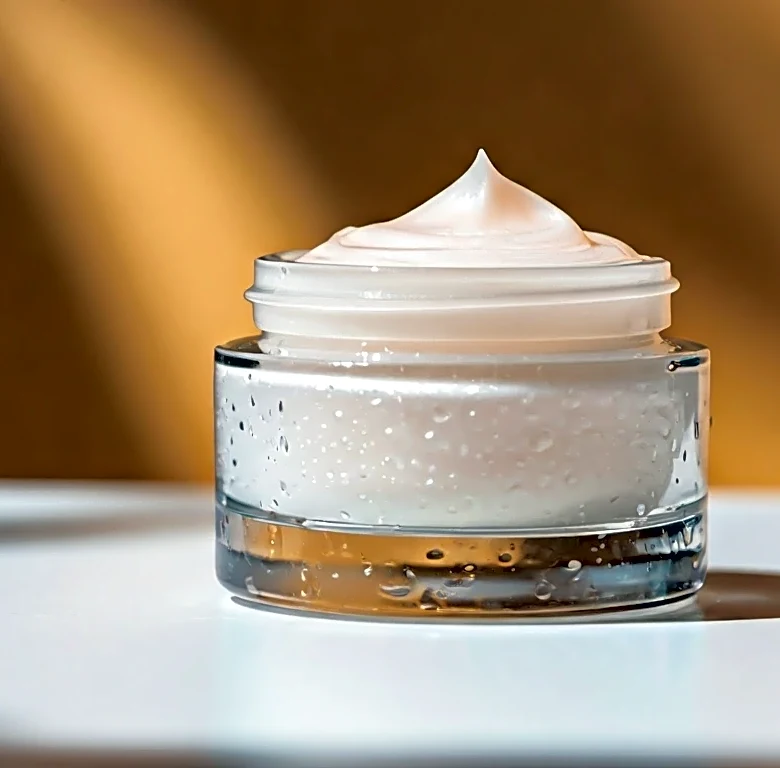
Here’s the secret the clean girl knows: the bun is anything but effortless. Achieving that glass-like finish and immovable hold is a feat of modern hair engineering. It requires a carefully curated arsenal of products—strong-hold gels, smoothing pomades, shine serums, and finishing sprays—and specific tools, like boar bristle brushes and fine-tooth combs, to tame every flyaway into submission. The process is a ritual of smoothing, brushing, and securing, transforming the simple concept of a bun into a structured, almost architectural, endeavor. This gap between its simple appearance and complex reality is where the story gets interesting, pointing to a much longer history of high-effort glamour.
Opening the 1930s Style Archive
Let’s rewind nearly a century to the 1930s. It was the era of the Great Depression, a time of widespread economic hardship. Yet, paradoxically, it was also a golden age of Hollywood glamour that produced some of the most polished and meticulously structured aesthetics of the 20th century. Faced with financial constraints, women became masters of resourcefulness. Regular salon visits were a luxury many couldn't afford, so long-lasting, at-home styling became essential. The era’s look was defined by soft, feminine waves and curls, but always with a sleek, sophisticated, and controlled finish. Durability wasn't just a preference; it was a necessity.
The Original Hair Engineers and Their Tools
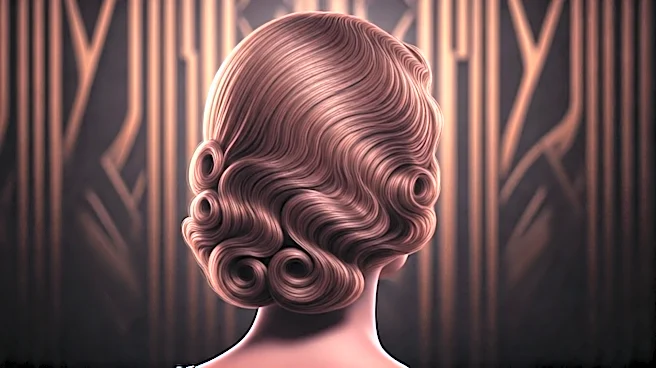
The women of the 1930s were the original hair engineers. To create styles that could last for days, they relied on laborious wet-setting techniques. Using setting lotions, they would painstakingly sculpt their hair into finger waves or wind it into tight pin curls, securing everything in place to dry. These methods provided an iron-clad hold that modern products strive to replicate. Even longer hair was often expertly pinned and rolled into intricate updos or “faux bobs” to create the illusion of the era's fashionable shorter styles. Every coiffure was a testament to precision and patience, designed to keep hair perfectly in place, off the neck, and looking impeccably polished through work and daily life.
A Century of Sleekness Tied Together
The 2026 clean-girl bun is not a direct copy of a 1930s style, but it shares the same foundational DNA. The obsession with a slick, lacquered finish mirrors the gloss achieved with 1930s setting lotions and pomades like Vaseline. The modern demand for a style that holds through a workout and into the evening echoes the Depression-era need for a hairstyle that would last for days without professional upkeep. Both styles, nearly a hundred years apart, are born from a desire to present a flawless, controlled, and polished silhouette. They are a performance of perfection, whether that perfection is communicated through the glamorous waves of a Hollywood starlet or the minimalist aesthetic of a wellness-focused influencer.