







The Power of High-Low Contrast
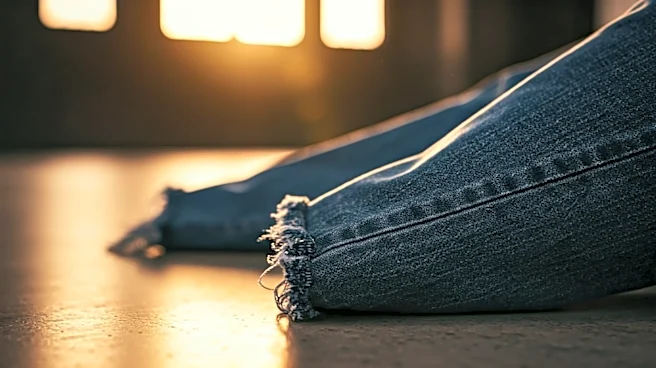
The secret to a successful raw hem lies in deliberate contrast. Think of it as a single, calculated note of imperfection in an otherwise polished outfit. When you pair raw-hem jeans with a crisp blazer, a silk blouse, or a pair of elegant heels, the frayed
edge stops looking like an accident and starts looking like a conscious style choice. It’s this tension—the “high” of the tailored pieces against the “low” of the undone hem—that creates visual interest. The roughness of the hem grounds the more formal elements, preventing the outfit from feeling stuffy. It sends a clear message: “I appreciate classic tailoring, but I don’t take myself too seriously.” Without that contrast, a raw hem paired with a distressed t-shirt and worn-out sneakers can easily slide into sloppy territory.
Fit and Fabric Are Non-Negotiable
Not all raw hems are created equal, and the quality of the garment is paramount. A frayed edge on cheap, flimsy, or overly stretchy denim often looks sad and unintentional, as the threads just disintegrate. For the look to feel deliberate, the denim needs structure. Look for 100% cotton or high-cotton-content jeans that have some weight and rigidity. This allows the hem to fray in a controlled, almost sculptural way rather than just falling apart. The fit of the jeans is just as important. A well-fitting straight-leg, cropped flare, or wide-leg silhouette provides the perfect canvas. The clean lines of the jean’s cut create a structure that the raw hem can playfully disrupt. A baggy, ill-fitting pair with a raw hem, on the other hand, rarely looks intentional.
Defining the 'Downtown' Context
So, what exactly is this “downtown context”? It’s less a specific zip code and more an aesthetic mindset. It evokes a world of converted industrial lofts, independent art galleries, third-wave coffee shops, and streets where creativity and commerce collide. The style is confident, slightly artistic, and values authenticity over perfection. In this environment, a raw hem fits right in. It speaks to a certain resourcefulness and a disregard for fussy conventions. It’s the sartorial equivalent of exposed brick or reclaimed wood—a detail that embraces its own roughness as part of its charm. It’s a look that feels at home browsing a flea market in Brooklyn, grabbing a drink in L.A.’s Arts District, or exploring the boutiques in Chicago’s Wicker Park.
Your Shoes Are the Anchor
If the raw hem is the statement, your footwear is the crucial piece of punctuation that finishes the sentence. The right shoe has the power to instantly elevate the entire look. A cropped raw hem is the perfect opportunity to showcase a fantastic pair of shoes. Pointed-toe pumps, sleek ankle boots (the hem should just skim the top of the boot), or minimalist leather mules provide a sharp, clean anchor that balances the fraying fabric above. Even sneakers can work, but they need to be the right kind. Think clean, classic, low-profile leather sneakers—not your bulky gym shoes. The goal is for the footwear to reinforce the intentionality of the outfit, providing a polished foundation that says, “This was all planned.”
Mastering the Silhouette
Finally, consider the overall silhouette. A raw hem draws the eye downward, so it’s important to think about how it affects your proportions. Cropped styles are particularly popular because they create a clean break at the ankle, which is a universally flattering spot. This works especially well for showcasing footwear, as mentioned. When wearing a raw-hem jacket, keep the rest of your outfit relatively simple and streamlined to let the jacket’s texture be the focal point. Tucking in your shirt when wearing raw-hem jeans can also help define your waist and create a more balanced, put-together shape, preventing the look from feeling shapeless or unkempt.