






The Fabric Conundrum
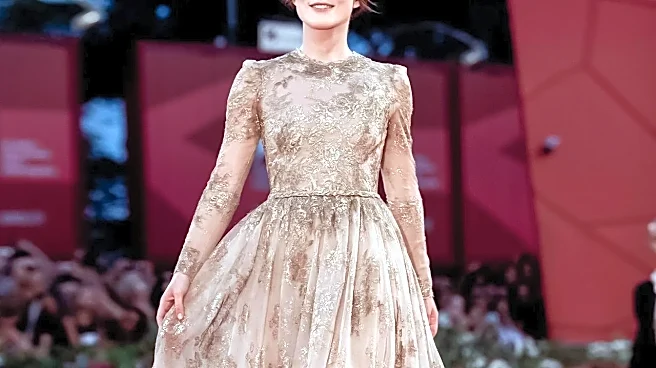
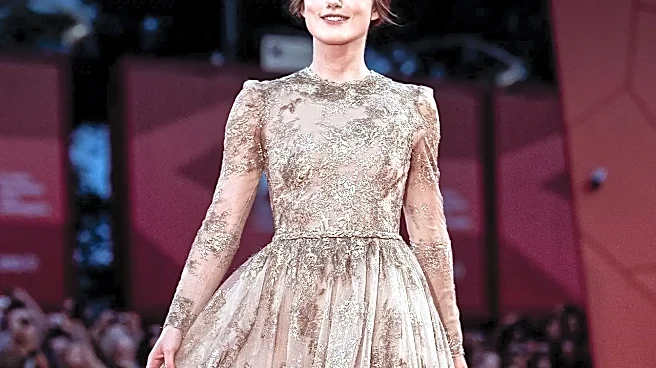
The first clue is in the material. Haute couture gowns, like those seen on the Venice Lido, often use fabrics chosen for their visual impact, not their durability. Think of ethereal chiffon, crisp organza that holds architectural shapes, or delicate Chantilly
lace. These textiles are incredibly sensitive; a simple act like sitting can cause permanent creasing, snagging, or even tearing. Add intricate, hand-applied beading or embroidery to the mix, and the risk multiplies. A gown covered in thousands of tiny crystals or sequins doesn't just bend; it can break or catch on itself. The fabric is the foundational element, and when it’s this precious, it dictates how the wearer can move—or not move.
Architecture Over Ergonomics
Many of the most dramatic red carpet looks are closer to sculpture than clothing. Beneath the beautiful exterior lies a hidden world of internal architecture designed to create a flawless silhouette. This can include sculpted corsetry, boning, and structured underpinnings that give the gown its shape. While this inner construction ensures the dress looks perfect from every photographic angle, it often makes bending at the waist a physical impossibility. A dress with a tightly cinched, boned bodice isn't designed for slouching or even sitting comfortably in a dining chair. As seen with some of the structured looks at the 2026 festival, like Nicola Peltz Beckham's sculpted Balenciaga gown, the design is meant to be presented standing, where its architectural integrity remains intact.
When Volume Is the Point
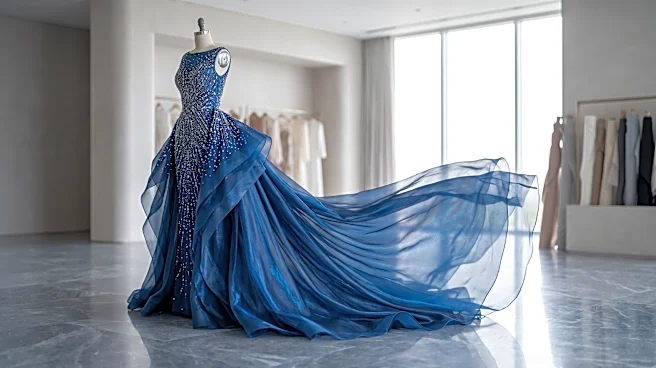
For other gowns, the challenge isn't rigidity but sheer volume. A grand ball gown or a dress with a dramatic, carpet-covering train is a statement piece that requires its own zip code. Sitting isn't just a challenge; it's a logistical nightmare. The volume of fabric can't simply be compressed into a chair without being crushed, wrinkled, or damaged. Stylist Karla Welch has noted that certain venues, like the jam-packed Golden Globes, are prohibitive for massive gowns, but grander stages call for them. In these cases, the dress owns the space. Assistants are often required to carefully arrange the skirt and train for photos, and when it's time to sit, the gown's fabric must be carefully draped over, around, or beside the chair to protect it. Often, the wearer will perch on the very edge of their seat to avoid collapsing the gown's shape.
The Art of Getting Around
This all begs the question: how do celebrities even manage an entire evening? It comes down to a carefully orchestrated plan executed by their styling teams. The process begins long before they hit the red carpet, with meticulous fittings to ensure every element is perfect. Celebrities wearing particularly restrictive or voluminous gowns often travel in sprinter vans or party buses where they can stand or lie flat, rather than creasing a priceless garment in the back of a town car. Once at the event, it's not uncommon for stars in the most demanding dresses to minimize their sitting time altogether. They might remain standing during the ceremony or only sit for brief, carefully managed periods. It's a performance that lasts all night, where the art of wearing the dress is as important as the design of the dress itself.