




Step 1: Choose Your Oil Wisely
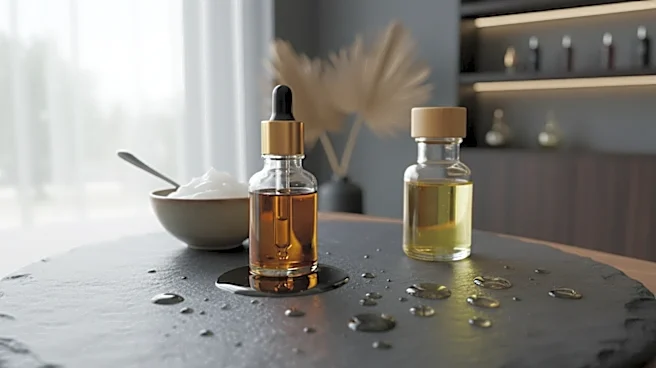
The foundation of any good hair oiling routine is selecting the right oil for your hair type and goals. While many oils offer benefits, they aren't all interchangeable. Coconut oil is fantastic for penetrating the hair shaft to reduce protein loss, making
it a great choice for strengthening weak or damaged strands. Argan oil, often called 'liquid gold', is lighter and perfect for taming frizz and adding shine without being greasy, making it suitable for most hair types. Jojoba oil is a unique case; its chemical structure is very similar to the natural sebum our scalp produces. This makes it an excellent choice for moisturizing the scalp, balancing oil production, and potentially helping with dandruff. For finer hair, lighter options like almond oil can provide softness and shine without weighing hair down, whereas thicker, coarser hair might benefit from the richer properties of castor oil.
Step 2: The Pre-Shampoo Power-Up
One of the most effective yet overlooked ways to use hair oil is as a pre-shampoo treatment, sometimes called a 'pre-poo'. Applying oil to dry hair for at least 30 minutes before washing acts as a protective shield. Shampoos, while necessary for cleansing, can strip hair of its natural oils, leaving it dry and vulnerable. A pre-wash oil treatment minimizes this damage by preventing the hair shaft from swelling with excess water and protecting it from harsh cleansing agents. This leaves your hair softer and more manageable post-wash. For this step, you can be generous with the application, focusing on the mid-lengths and ends where hair is oldest and most prone to damage.
Step 3: Master the Scalp Massage
Healthy hair starts with a healthy scalp. Using oil for a scalp massage can improve blood circulation, nourish hair follicles, and provide a clean environment for hair to grow. Once or twice a week, apply a few drops of a suitable oil (like jojoba or a specialized scalp blend) directly to your scalp using your fingertips. Gently massage in circular motions for 5-10 minutes. This not only feels relaxing but can also help dissolve product buildup and excess sebum that might be clogging follicles. Be mindful not to use too much oil, as a little goes a long way and you want to avoid a greasy scalp that's difficult to wash out.
Step 4: The Finishing Touch on Damp or Dry Hair
Using oil after washing serves a completely different purpose. When applied to damp, towel-dried hair, oil helps to seal in moisture, combat frizz, and act as a leave-in conditioner. Just a few drops warmed between your palms and smoothed through the mid-lengths and ends can make a huge difference in shine and smoothness. You can also use a single drop on dry, styled hair to tame any last-minute flyaways and add a final layer of gloss. The key here is to use a very small amount—too much will make your hair look oily rather than healthy. Argan or almond oils are excellent for this finishing step due to their lighter texture.
Step 5: The Intensive Overnight Treatment
For hair that is particularly dry, damaged, or in need of serious TLC, an overnight oil treatment can be incredibly restorative. Before bed, apply your chosen oil liberally from roots to ends, paying special attention to dry areas. Comb it through to ensure even distribution, then protect your hair (and your pillowcase) by wrapping it in a silk scarf or a shower cap. This gives the oil hours to penetrate deeply, providing intensive nourishment. In the morning, you'll need to shampoo thoroughly—possibly even twice—to remove all the residue. While intensive, this once-a-week or bi-weekly ritual can significantly improve hair's elasticity and resilience over time.