









1. Get the Green Light First
This is the most critical step. Before you send a single calendar invite, you need permission. Approach your manager or HR with a clear, simple plan. Frame it not as a distraction, but as a 2-for-1 deal: a morale-boosting team-building event that conveniently
takes place during the scheduled lunch hour. Emphasize that it will be contained, respectful of others, and won’t disrupt workflow. Highlight the benefits: it gives employees a chance to bond over a shared interest and feel appreciated. If you get a 'yes,' ask about any specific company policies you need to follow regarding office gatherings, noise, or use of common areas. Getting official buy-in protects you and shows you’re a responsible organizer, not a rogue party-planner.
2. Scout the Perfect Pitch (Your Location)
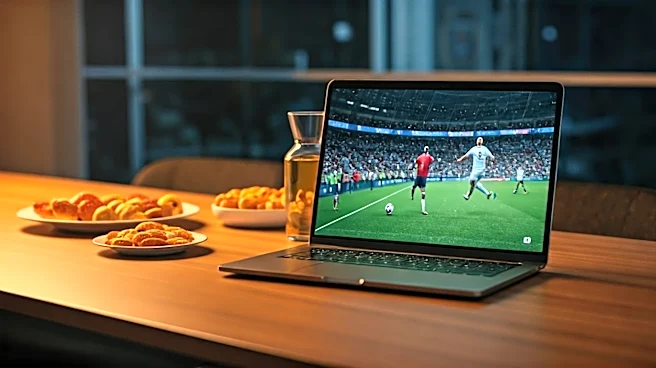
Your home stadium is the office, so choose your field carefully. A large conference room with a projector or big-screen TV is ideal. A spacious break room or cafeteria can also work. The key is finding a spot that is somewhat isolated from a cone of silence where people are on calls or deep in focus. Before settling on a location, do a tech check. Does the TV have the right channel or streaming app? Is the Wi-Fi strong enough to stream a match without buffering into oblivion? Check for access to power outlets and enough table space for food. The goal is a seamless viewing experience, so confirming the A/V setup in advance will save you from a frantic scramble minutes before kickoff.
3. Master the No-Fuss Food Strategy
Lunch break means time is tight and messes are a major liability. This is not the time for saucy wings or elaborate, multi-part dishes. Your menu mantra should be: simple, clean, and shareable. Think grab-and-go. Ordering a few large pizzas or a platter of assorted sandwiches is a classic for a reason. A DIY taco or nacho bar can also be fun, but pre-chop all toppings to minimize prep time. Bags of chips, pretzels, and a cooler full of sodas and water are non-negotiable. To elevate it, consider adding a potluck element. Ask a few reliable coworkers to bring a dessert or a side dish. Just be clear that everything should be office-friendly—no lingering smells (sorry, fish) and easy to eat while standing or sitting in a conference chair.
4. Spread the Word (The Smart Way)
Your invitation sets the tone. Use a dedicated Slack channel or a clear, concise email. Be specific with the details: date, time (e.g., '12:00 PM - 1:00 PM, kickoff at 12:05'), and location. Crucially, manage expectations. Make it clear this is a casual, drop-in event during the lunch break and attendance is completely optional. This prevents anyone from feeling pressured to join. Mention what’s on offer ('We'll have pizza and sodas!') to entice people. A little bit of hype is good—maybe include a GIF of a famous goal—but keep the tone professional. Send the invite a few days in advance and a brief reminder the morning of the match.
5. Day-Of Setup and Atmosphere
Arrive at your chosen location 15-20 minutes before the party starts. This is your time for final preparations. Get the game up on the screen and test the volume—it should be audible but not so loud that it leaks into the entire office. Arrange the food on a side table to create a clear serving area away from the main viewing path. Decorations can be fun but keep them minimal; a few streamers or balloons in the colors of the competing teams are all you need. The most important part of the atmosphere is you. As the host, your relaxed and welcoming energy will encourage others to kick back and enjoy their break.
6. The Final Whistle: A Clean Exit
How you end the party is as important as how you start it. The final whistle of the game is your cue to begin the most important play of the day: the cleanup. This is a team sport. Have trash bags ready and enlist a few coworkers to help you consolidate garbage, wipe down tables, and put furniture back in its original place. The goal is to leave the space cleaner than you found it. A quick and efficient cleanup ensures that you’ll get permission to do this again for the next big game. It shows respect for your colleagues, your office manager, and the company’s property. A quick 'thank you for the help!' in the group Slack channel afterwards is a nice touch and reinforces the positive, collaborative spirit of the event.