



The Ritual of Discovery
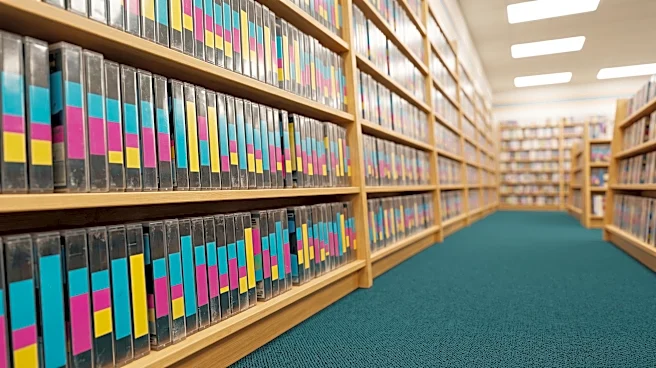
Long before streaming algorithms served up what we should watch next, movie night began with a ritual: the trip to the store. It was a destination. You’d walk through aisles lined with colorful box art, each one a promise of a different world. This wasn't
passive scrolling; it was an active hunt. You picked up the cases, felt their weight, and read the dramatic synopses on the back. The physical act of browsing created a richer mental experience, making the eventual choice feel more earned and significant. There was a finite selection, which forced a level of commitment. You couldn't just sample the first ten minutes of a dozen films. You chose one or two, maybe three if it was a special occasion, and that was your entertainment for the night. This limitation wasn’t a bug; it was a feature that made the movie feel like an event.
The Human Recommender Engine
The greatest asset of any video store wasn't its inventory, but its staff. Those often-underpaid, movie-obsessed clerks were the original recommender engines. They were film lovers who could guide you from a blockbuster to an obscure indie gem you'd never find otherwise. They learned your tastes, debated the merits of a director's filmography, and could tell you if the new action movie was actually worth your time. This social element was a core part of the experience. You could see what was popular by which shelves were empty, or strike up a conversation with another browser in the horror aisle. Algorithms, for all their data-crunching power, lack this human touch. They can identify patterns but struggle with context, culture, and the kind of happy accidents that a passionate clerk could provide. A human can recommend a movie that challenges your taste; an algorithm usually just reflects it back at you.
The Age of Endless, Empty Choice
Today, we face the opposite problem: the paradox of choice. With thousands of titles across multiple streaming services, the sheer volume can be paralyzing. Viewers report spending significant amounts of time scrolling endlessly, only to give up or default to something familiar. This decision fatigue is a known psychological phenomenon; excessive options can lead to anxiety and decreased satisfaction. The transient nature of streaming libraries also diminishes our sense of connection. Movies appear and vanish without warning, making them feel less like possessions and more like temporary digital rentals you never truly hold. There's no sense of ownership or the satisfaction that comes from building a personal collection. That tangible link—the DVD on your shelf—creates a stronger emotional bond than a title in a cloud-based library ever could.
Can We Get That Feeling Back?
The brick-and-mortar video store is gone, with only one Blockbuster remaining in the entire country as a nostalgic landmark. But the feeling it represented—intentional, communal, and tangible—doesn't have to be. The fall movie season, with its prestige dramas and holiday blockbusters, offers a chance to recapture some of that magic. It’s about making movie-watching an event again. It means turning off your phone, making popcorn, and committing to the film you’ve chosen. It’s about seeking out human-curated lists instead of relying solely on what a platform pushes. It could even mean starting a movie club with friends to bring back that social discovery element. The video-store feeling was never just about the physical space; it was about a mindset. It was about treating movies with a sense of occasion, a practice we can still choose to adopt, one deliberate movie night at a time.