


The Anatomy of an Awards Show Slump
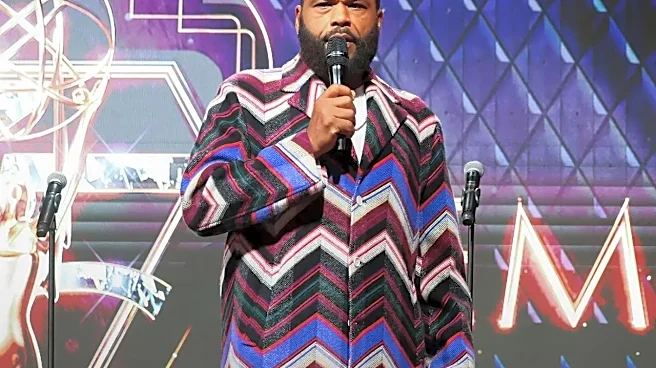
Let’s be honest: three hours is a long time to watch people give speeches. Even with a stellar host like Mariska Hargitay at the helm for the 78th Emmy Awards, there's a natural rhythm to these events that inevitably includes lulls. It happens right around
the 90-minute mark, after the big opening and a few major awards. The energy dips, the audience at home starts scrolling through their phones, and you start to wonder if you could just read the winners list online tomorrow. This is the danger zone, where a telecast can go from a celebratory event to a mandatory slog. It's the part of the show producers fear most, a black hole of technical awards and politely-read teleprompter lines that threaten to swallow the evening's momentum whole.
A Masterclass in Saving the Show
This year, however, provided a clear lesson in how to fight back against the slump. It came not from a pre-planned bit, but from the simple, unvarnished magic of good chemistry. Case in point: “Schitt’s Creek” alumni Dan Levy and Annie Murphy. Tasked with presenting a mid-show award, their appearance was a jolt of pure joy. Their familiar, playful ribbing felt both authentic and hilarious, a welcome throwback to their beloved characters that didn't feel like a forced reunion. The audience erupted not just for the names they were reading, but for the duo themselves. Similarly, when David Harbour and Linda Cardellini took the stage, fresh off their own Creative Arts Emmy wins for “DTF St. Louis,” their shared excitement and easy rapport was infectious. They weren't just reading lines; they were sharing a moment, and it pulled everyone in.
What's the Secret Ingredient?
So what makes this chemistry work? It's more than just a funny script. The most successful pairings, like Levy and Murphy, draw on a shared, publicly understood history. We know their dynamic, and seeing it live feels like being let in on an inside joke. Other times, it's about casting two personalities whose comedic energies just naturally sync up. Pairing established legends with rising stars, or rivals from competing shows, can create an unpredictable friction that’s electric to watch. You can't fake it. A presenter who looks like they’d rather be anywhere else, or two people who seem to have met 30 seconds before walking on stage, can drain the energy from a room instantly. The pairings that work are the ones that feel genuine, reminding us that behind the glamour, these are just people who, sometimes, are lucky enough to work with their friends.
The Alternative Is Painfully Obvious
The power of great chemistry is most obvious when you see its opposite. The Emmys telecast wasn’t immune to the occasional stiff presentation. These moments, which we don’t need to name and shame, serve as an unintentional control group in our experiment. The formula is always the same: two presenters walk to the mic, read their lines with the enthusiasm of someone reciting a grocery list, and the show grinds to a halt. There’s no spark, no banter, no sense that they are enjoying the experience. It’s not that they’re bad at their jobs; it’s that they’ve been put in a position that highlights the artificiality of the event. These awkward pauses are a stark reminder that an awards show isn't just about handing out trophies—it's supposed to be entertainment. When the entertainment value flatlines, even for a few minutes, the whole enterprise feels pointless.