



The New VIP Section: More Than Just Spectators
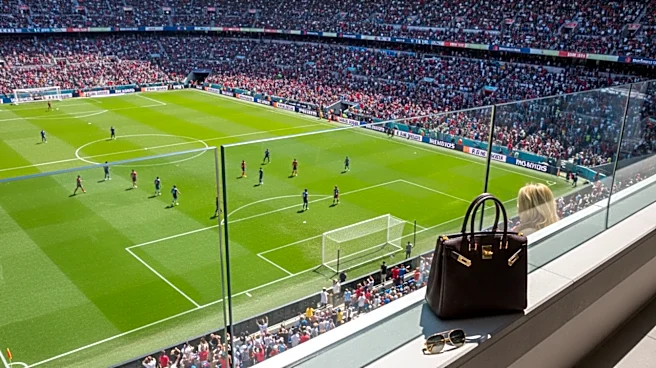
During the U.S. matches in Los Angeles this summer, the celebrity sightings have been relentless. At one game alone, Brad Pitt, Leonardo DiCaprio, Jessica Alba, and Will Ferrell were spotted in the stands. But they aren't just passive observers anymore.
Paris Hilton helped present a match ball, while others like James Corden have landed hosting gigs for World Cup-themed shows. The camera no longer just finds them for a quick reaction shot; it treats their presence as a secondary storyline. This shift transforms a major sporting event into a hybrid of a game and a red-carpet affair, where the sidelines generate almost as much buzz as the action on the field. The stadium has become a cultural stage, and Hollywood has a front-row seat.
From Niche Hobby to A-List Cred
It wasn't always this way. For years, American celebrity interest in soccer was a niche affair. The sport's recent explosion in the U.S., however, has changed the dynamic. The global appeal of leagues like the Premier League, coupled with the runaway success of shows like "Ted Lasso," has repositioned soccer in the American psyche. It's now seen as a sophisticated, global sport, and being a fan confers a certain cultural currency. For celebrities, attending a World Cup match is a statement. It aligns them with a global phenomenon and makes them appear more relatable to an international audience. As soccer players themselves become mainstream celebrities with massive social media followings, the line between the worlds of sports and entertainment has blurred into nonexistence.
The Wrexham Effect: When Fans Become Owners
Perhaps no single event did more to merge Hollywood and soccer than when actors Ryan Reynolds and Rob McElhenney bought a struggling Welsh football club called Wrexham in 2020. Their journey, documented in the hit series "Welcome to Wrexham," provided a new blueprint for celebrity involvement. They weren't just fans; they were stewards of a community's passion. This move from passive viewership to active ownership has inspired other A-listers like Tom Brady and Michael B. Jordan to invest in British soccer clubs. The "Wrexham effect" demonstrated that authentic celebrity involvement could revitalize a team and its town, turning a fifth-tier club into a global brand sponsored by major corporations. It proved that the right celebrity narrative could be more powerful than just showing up for a photo op.
A Win-Win or a Fan Foul?
For leagues and broadcasters, the benefits of this celebrity influx are clear. Famous faces attract new and more diverse audiences, just as Taylor Swift's presence at NFL games brought a surge of new female viewers. It creates more “watercooler moments” that drive social media engagement and extend the conversation beyond the final whistle. However, not everyone is thrilled. For some lifelong fans, the constant cutaways to celebrities can feel distracting and inauthentic. There's a growing concern that the focus is shifting from the sport to the spectacle, pricing out genuine supporters in favor of VIPs who are there for the event, not the game. This tension highlights the central conflict: as soccer becomes bigger business in America, it risks alienating the very fans who built its foundation.