






An All-American Tradition of Hate
Before we even talk about soccer, let’s get one thing straight: American sports culture is built on villainy. Every great rivalry needs a bad guy. It’s what makes victory sweeter and gives losses a target for our collective frustration. Think about it.
For decades, baseball fans outside of New York have united in their shared disdain for the Yankees’ pinstriped “Evil Empire.” In the NBA, the “Bad Boy” Detroit Pistons of the late ’80s were so notorious for their physical, aggressive style that they became must-see TV, even for people who just wanted to see them lose. More recently, the Houston Astros’ sign-stealing scandal made them the universal antagonists of baseball. We don't just watch sports to see our team win; we watch to see their rivals, the designated villains, lose. It’s a foundational part of the fan experience. We need someone to root against.
The Soccer Villain: A Different Breed
The World Cup, however, takes this concept and turns it up to eleven. Soccer villains aren't just tough opponents; they are masters of a specific, theatrical brand of gamesmanship that can seem foreign, yet fascinating, to the American eye. There’s the blatant dive in the penalty box, the dramatic roll on the ground after a minor foul, and the incessant complaining to the referee. It’s a level of performance art we don't often see in the NFL or NBA. Take Uruguayan striker Luis Suárez, a hall-of-fame villain. In 2010, he became a national hero in Uruguay and an enemy to an entire continent by deliberately using his hands to block a game-winning goal from Ghana. Four years later, he infamously bit an Italian defender during a match. This isn't just breaking the rules; it's a flagrant, almost operatic disregard for sportsmanship that creates an unforgettable spectacle.
Meet the Modern 'Heel'
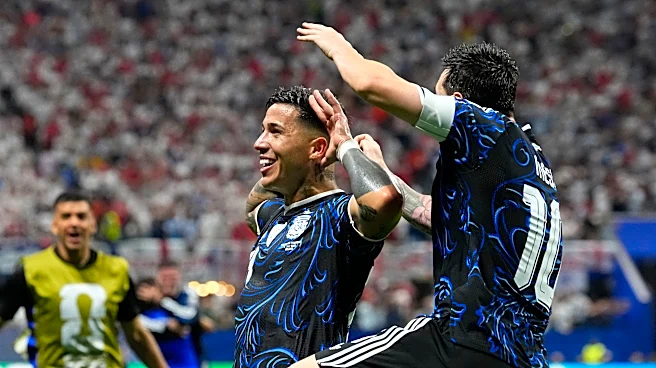
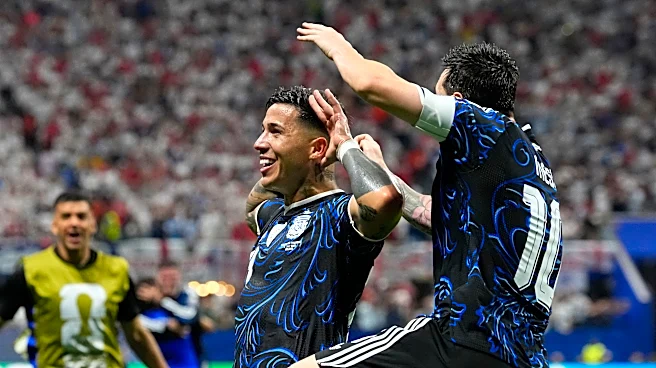
The 2026 World Cup, currently unfolding across North America, has no shortage of players ready to embrace the role. One of the leading candidates for this tournament’s pantomime villain is Argentine goalkeeper Emi Martinez. His antics during penalty shootouts in the last World Cup—delaying tactics, trash talk, and provocative celebrations—were crucial to his team’s victory but were seen by many as crossing the line of good sportsmanship. Players like him, or Brazil's Vinicius Junior, known for his playacting, understand that getting under the skin of opponents and their fans is a powerful psychological weapon. They are what professional wrestling calls a “heel”—a character whose job is to generate heat from the crowd, making the hero’s eventual triumph all the more satisfying.
More Than Just Booing
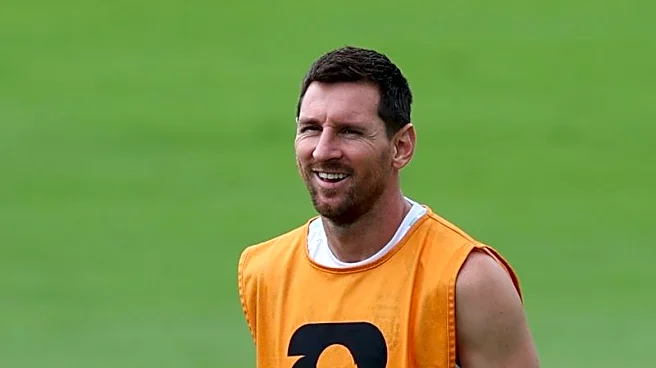
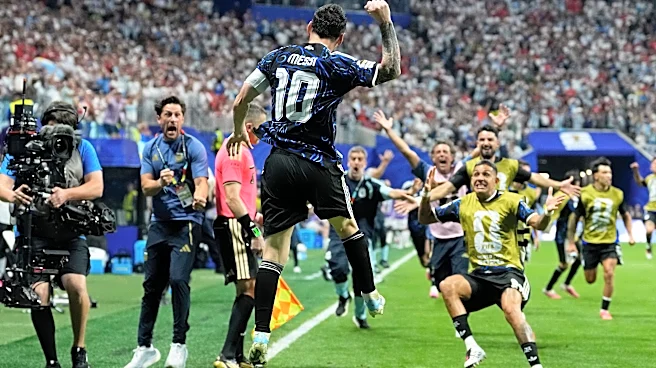
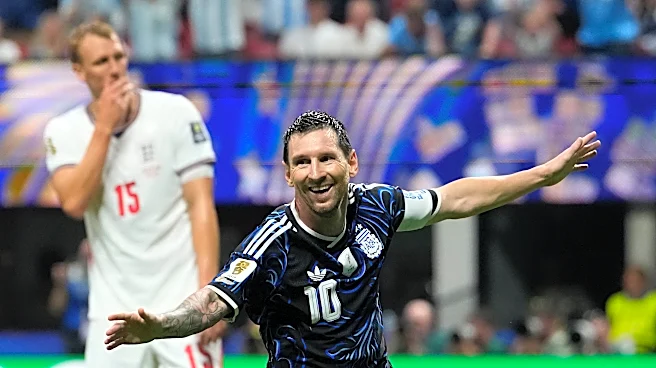
So why is this perfect for U.S. fans? Because it adds a rich, narrative layer to the game that Americans are uniquely primed to appreciate. We are a culture steeped in storytelling, from Hollywood blockbusters to the clear good-versus-evil arcs of our most beloved sports rivalries. The World Cup villain isn’t just an athlete; they are a character in a global drama. Rooting against a player like Argentina’s Lionel Messi, who is vying to win back-to-back championships in what might be his final tournament, isn't just about sports—it's about engaging with a legacy-defining narrative. Cheering for a team to lose because of their star player's perceived arrogance or history of on-field mischief adds a delicious, personal stake to the outcome. It makes every tackle, every goal, and every referee's whistle feel more significant. It’s not just a game; it’s a story, and every good story needs a villain.