



The New Old Guard on Court
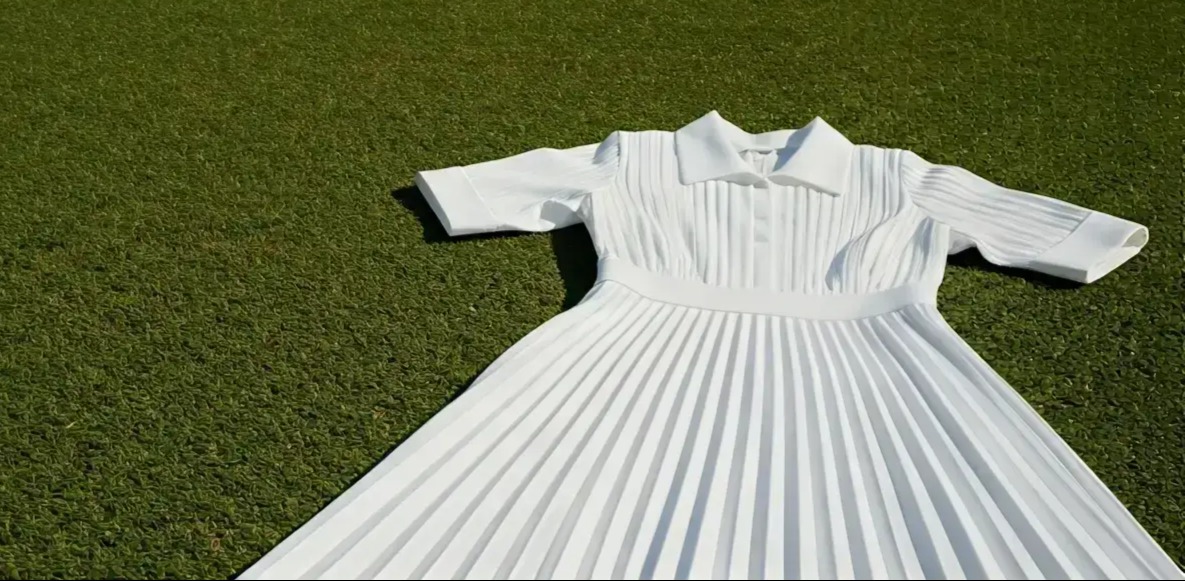
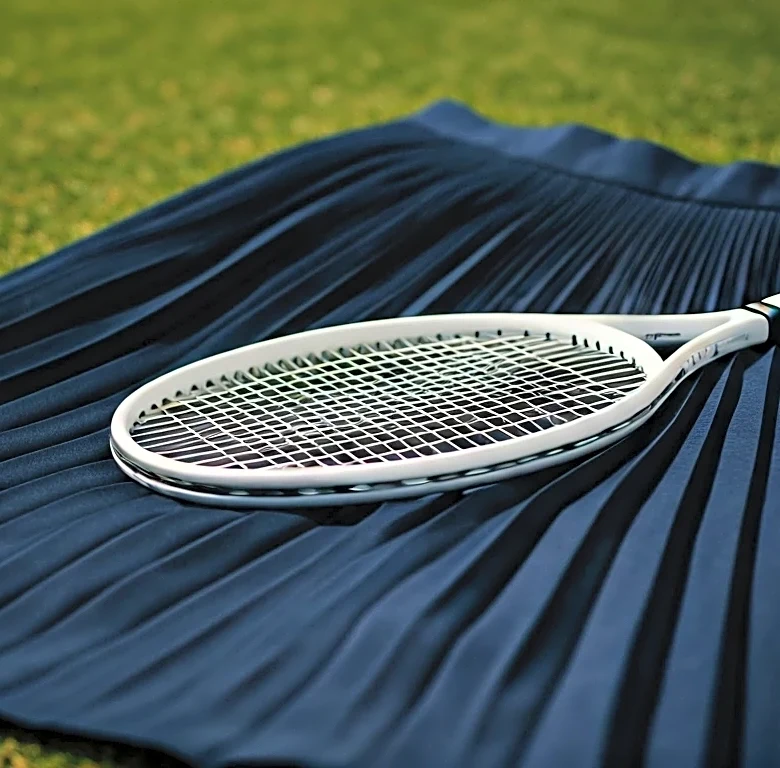
Look closely at the action on the grass courts in 2026, and you’ll see it. Beyond the lightning-fast serves and baseline rallies, a distinct fashion trend has emerged. It’s in the sharp pleats of a tennis skirt, the return of the V-neck cable-knit vest,
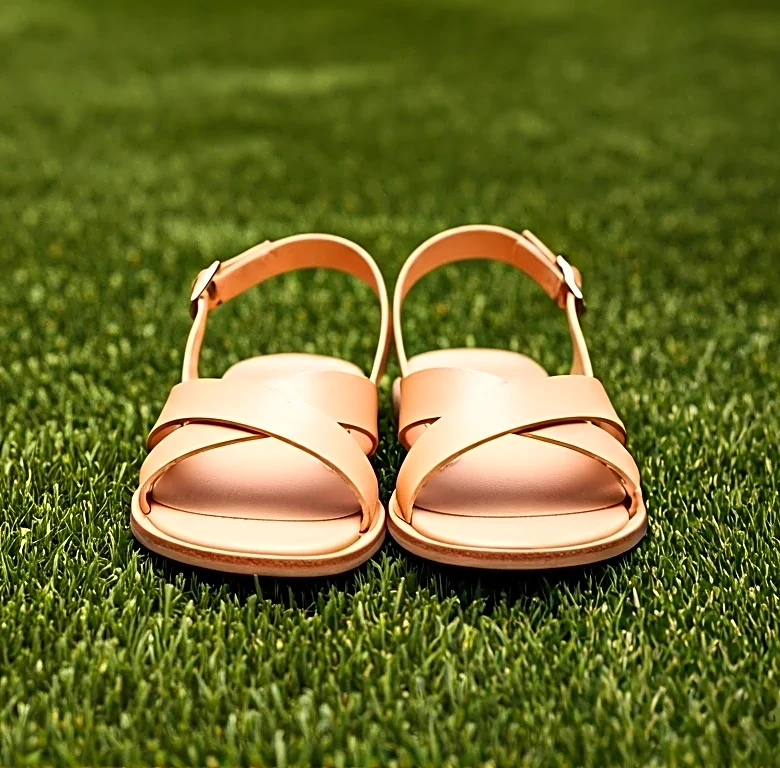
and the simple, elegant lines of a drop-waist dress. While a few years ago the focus was on futuristic, ultra-technical fabrics and neon accents, the pendulum has swung back. The prevailing aesthetic is one of refined, retro simplicity. This isn't just about players adhering to Wimbledon's famous all-white rule; it's a deliberate embrace of a bygone era's silhouettes. Brands are digging into their archives, reissuing styles that look plucked from the days of Steffi Graf and Gabriela Sabatini, but updated for today’s elite athletes.
The Princess Diana-Era Mood Board
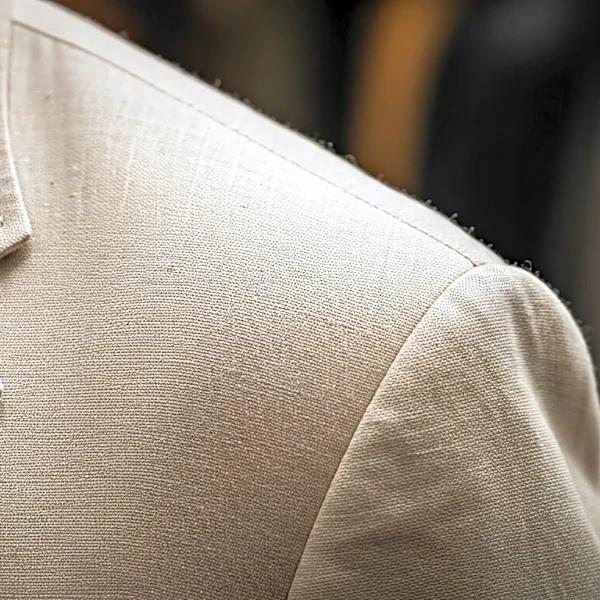
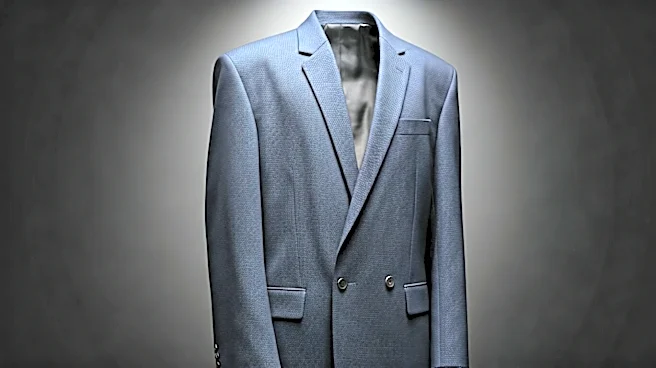
To understand the inspiration, one need only look to the Royal Box of the late '80s and early '90s. Princess Diana was a fixture at Wimbledon, and her spectator style became as much a part of the event's fabric as the strawberries and cream. Her looks—a pastel skirt suit, a pleated white skirt paired with a printed blouse, or a blazer with power shoulders thrown over a simple dress—defined an era of smart, sophisticated courtside dressing. She effortlessly blended preppy, athletic-adjacent style with royal polish. That aesthetic bled into the on-court looks of the time, which prioritized a certain tailored femininity. The current revival isn’t just copying the clothes; it's channeling the entire vibe—a time when tennis style felt both elegant and powerfully individualistic.
The Paradox of Performance Heritage
Herein lies the paradox. The term "archival fashion" implies collecting and preserving historical garments, treating them like museum pieces. But on the courts, these archival designs are being reborn as the peak of modern performance wear. Brands are using cutting-edge, moisture-wicking, and stretchable materials to recreate looks that were originally made from much simpler, heavier fabrics. It creates a fascinating contradiction: multi-million dollar athletes are competing in what appear to be vintage frocks, yet these outfits are engineered for 21st-century performance. It's high-tech masquerading as heritage. This trend challenges the very idea of an archive, suggesting that the best way to preserve a design's legacy isn't to put it behind glass, but to put it back in play.
Why Now? Nostalgia and Authenticity
The return to these classic styles isn't happening in a vacuum. It’s part of a broader cultural craving for nostalgia and authenticity. In a world of fast fashion and ever-changing micro-trends, there's a powerful allure to the timeless and the durable. For tennis, a sport steeped in tradition, referencing its own sartorial history is a way of reinforcing its identity. This trend feels like a quiet rejection of the overly slick, hyper-commercialized aesthetics of the recent past. Instead of looking like walking billboards for technical fabric, players are embracing a look that connects them to the sport’s elegant history. It’s a search for something real, a connection to the legends who wore these styles first, not as a costume, but as their professional uniform.