




Meet the Minerals: Zinc and Titanium
First, let's separate mineral sunscreens from their chemical counterparts. Chemical sunscreens contain ingredients like avobenzone and oxybenzone that absorb into the skin and convert UV rays into heat. Mineral sunscreens, on the other hand, work very
differently. They use active ingredients—typically zinc oxide and titanium dioxide—that are physical particles. Instead of being absorbed, these minerals sit on top of your skin, forming a physical shield that literally blocks and scatters UV rays away from your body. Think of it as putting a microscopic, protective tarp over your skin. This fundamental difference is the very reason they’re often recommended for sensitive skin (less absorption means less irritation) and also the root cause of your body makeup woes.
The Science of the Chalky Finish
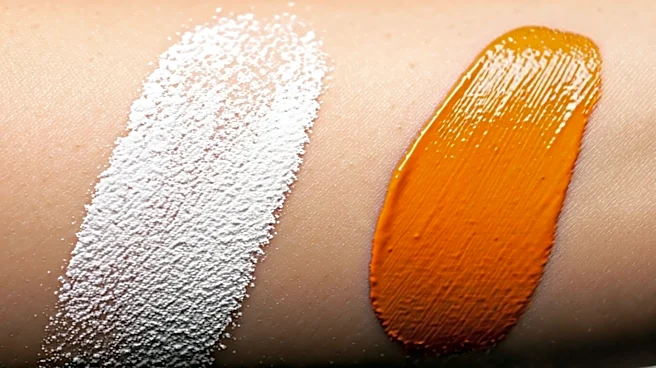
Because zinc oxide and titanium dioxide are physical particles that sit on the skin's surface, they create a distinct film. By their nature, these minerals are white and opaque—that's what makes them so effective at blocking sunlight. When you apply a layer of body makeup *over* this film, you’re essentially trying to paint over a delicate, non-absorbent canvas. The friction from rubbing or buffing the makeup disturbs that mineral shield. This causes two problems. First, it can cause the sunscreen to “pill” or ball up, creating a rough, uneven texture. Second, the white particles of the sunscreen mix with the pigments in your body makeup, instantly lightening the color and creating that dreaded chalky, ashy, or ghostly cast. Your perfectly matched bronze glow is suddenly a few shades off, and the finish is anything but seamless.
It's a Matter of Formulation
The issue goes beyond just layering. Body makeup and mineral sunscreens are often formulated with different bases that don't play well together. It’s like trying to mix oil and water. Many body makeups are silicone- or oil-based to give them slip, longevity, and a luminous finish. Many mineral sunscreens, especially those geared toward being non-greasy, have a water-based or matte-finish formula. When you try to force these two incompatible textures together, they can separate, refusing to blend into one smooth layer. The makeup may slide around on top of the sunscreen, gather in certain spots, and look patchy within minutes. It isn't necessarily a sign that either product is “bad”—they’re just chemically incompatible when applied back-to-back without the right technique.
The Golden Rule: Let It Set
The single most important step to preventing a makeup meltdown is giving your sunscreen time to dry. And not just for a minute or two. Apply a thin, even layer of your mineral SPF and then walk away. Go brush your teeth, do your hair, or pick out your accessories—give it a solid 5 to 10 minutes to fully set and form its protective film. This allows the sunscreen’s base to evaporate and the mineral particles to settle into a stable layer. When the surface of your skin no longer feels tacky or wet, you’ve created a much better canvas for your makeup. Rushing this step is the primary cause of pilling and patchiness.
Application Is Everything: Pat, Don't Rub
Once your sunscreen has set, change your application technique. Aggressively rubbing or buffing your body makeup with a brush or your hands is guaranteed to disturb the mineral shield underneath. Instead, switch to a patting or stippling motion. Use a damp beauty sponge, a dense foundation brush, or your fingers to gently press and tap the makeup onto your skin. This method deposits the pigment on top of the sunscreen layer without moving it around. It takes a little more patience, but the result is a smooth, even finish that keeps both your SPF and your makeup intact. This technique is the secret to getting coverage without compromising your sun protection.
Consider a Tinted Two-in-One
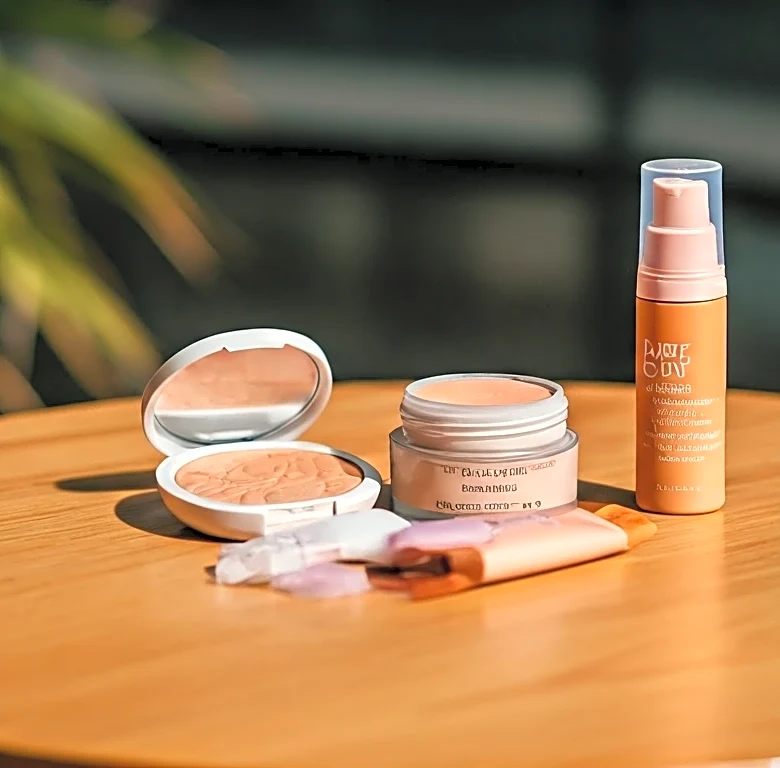
If you're still struggling or simply want to streamline your routine, the solution might be to combine steps. The market for tinted mineral sunscreens has exploded, and many now offer sophisticated formulas that provide both broad-spectrum protection and a beautiful, glowing finish. These products are formulated to work as a single, cohesive layer, eliminating the problem of incompatible formulas entirely. While they may not offer the same full coverage as a dedicated body foundation, a good tinted mineral SPF can even out skin tone, add a touch of color, and provide a luminous glow, all while keeping you protected. It’s the perfect one-and-done solution for a day at the beach or a casual summer outing.