





Occupancy 101: The Empty Seat Problem
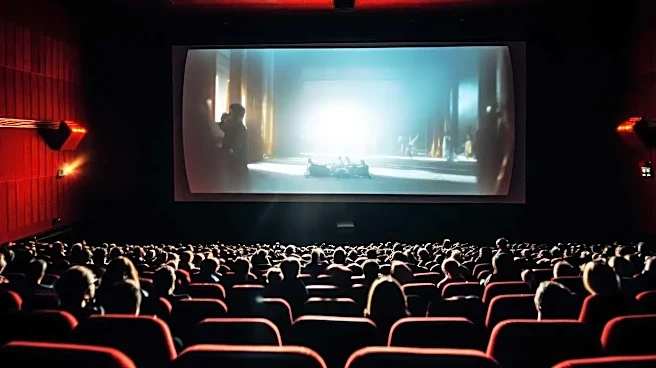
For any movie theater, occupancy—the percentage of seats filled—is a fundamental measure of health. An empty seat is lost potential. Theatrical exhibition is a high-fixed-cost business; rent, electricity, and staffing costs remain the same whether a screening
has two people or two hundred. While studios take a significant cut of ticket sales, often 40-60%, the theater needs to sell enough tickets just to cover its operating expenses and the film rental fee. Average occupancy rates for many cinemas hover in the 15-25% range, meaning most screenings are far from full. This makes any screening that promises high occupancy—like a special Halloween event—incredibly valuable.
The Midnight Moviegoer Is Not a Normal Customer
The audience for a Halloween midnight screening isn't made up of casual viewers deciding on a movie at the last minute. These are dedicated fans. They come for the communal experience: to shout at the screen, to dress up as their favorite characters, and to be surrounded by people who love the film as much as they do. This tradition, which gained national traction with films like 'The Rocky Horror Picture Show', creates a highly engaged and predictable audience. They aren't just buying a ticket; they're participating in an event. This key difference changes their spending behavior dramatically.
The Real Goldmine: Concessions
Here’s the not-so-secret secret of the cinema business: theaters make the lion's share of their profit from concessions. While ticket revenue is split with distributors, theaters keep around 80% or more of the revenue from popcorn, soda, and candy. These items have enormous profit margins—a bag of popcorn can cost pennies to make and sell for several dollars. The engaged, event-focused audience at a midnight screening is a captive market, more likely to splurge on snacks to complete the experience. A full theater of 200 fans buying high-margin combos generates far more profit for the house than a nearly empty screening of a new release. The occupancy rate directly multiplies this high-profit revenue stream.
The 'Event' Premium and Low-Risk Programming
Because Halloween midnight screenings are special events, they operate on a different economic model. Theaters often program repertory classics—like 'Halloween', 'The Exorcist', or 'The Shining'—that have a built-in, devoted following. This minimizes risk; there's no need for a massive marketing campaign to convince people to see a movie they already love. The demand is proven. Furthermore, this 'event' status can create an electric atmosphere that justifies the trip and ensures repeat business for years to come. Some specialty screenings for older films are booked on a flat-fee license instead of a percentage split, which means after the fee is paid, the theater keeps all the ticket revenue, making a sold-out show even more profitable.