




The Age of the Power Shoulder
The dominant silhouette of the 1980s was one of unapologetic ambition. Fashion was loud, structured, and designed to project status. Think of the “power suit” with its enormous, padded shoulders that made the wearer look like a linebacker in heels. Designers
like Thierry Mugler and Claude Montana sculpted bodies into formidable, top-heavy triangles, while vibrant colors and shiny fabrics screamed for attention. It was a uniform for an era of bold capitalism and conspicuous consumption, where clothes were a form of armor and a declaration of success. This look was about control, structure, and projecting an image of untouchable glamour.
The Quiet Revolution of an Invisible Designer
Martin Margiela, a Belgian designer who founded his label Maison Martin Margiela in 1988, was the antithesis of the 80s celebrity designer. He famously refused to be photographed, never took a bow after his shows, and conducted interviews collectively via fax, forcing the world to focus on the clothes, not the creator. This anonymity was a radical act in itself. While other designers were building personal brands, Margiela was busy taking fashion apart, both literally and philosophically. He was a member of the Antwerp school of thought but carved his own path, questioning every rule of the industry.
Deconstruction as a Design Language
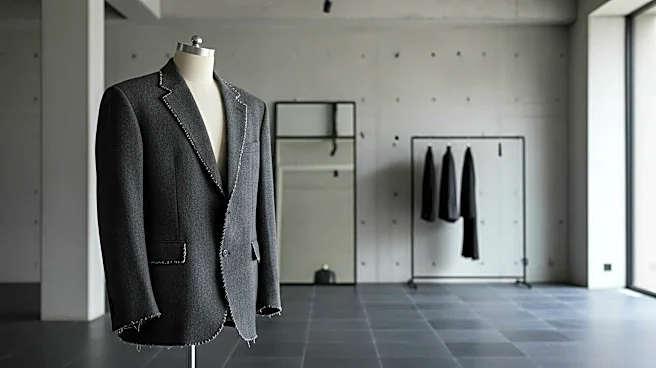
Margiela’s core technique was deconstruction. This wasn’t about making clothes look messy; it was a way of revealing how they were made and challenging ideas of perfection. He turned garments inside out, exposed seams and linings, and left hems unfinished. He created pieces from unconventional materials like plastic bags, broken plates, and old leather gloves. His famous "Stockman" top was literally modeled on a tailor's dummy, showing the process of creation as the final product. This approach was an intellectual investigation into what clothing is and could be, transforming the very meaning of luxury from polished perfection to conceptual artistry.
The New Silhouette Takes Form
Out of this deconstruction came a new, influential silhouette. Margiela dismantled the rigid 80s power shoulder and replaced it with a soft, sloping, or oversized shoulder that fell naturally. His silhouettes were often elongated and lean, emphasizing movement and comfort over rigid structure. Layering became key. Instead of a single, powerful statement piece, style was found in the combination of disparate elements. This new shape was cerebral and introspective, a stark contrast to the extroverted glamour of the previous decade. It wasn't about projecting power, but about an intimate, personal relationship with one's clothes.
The Tabi Boot and a Lasting Legacy
Perhaps no single item better encapsulates Margiela's impact than the Tabi boot. First shown in 1988, this split-toe shoe, inspired by 15th-century Japanese socks, was bizarre and unsettling to the Western eye. For his debut show, Margiela had models walk down a white canvas runway with the soles of their Tabis dipped in red paint, leaving a trail of cloven footprints—an unforgettable announcement of a new vision. Initially a commercial risk, the Tabi became a cult object and a symbol of the house. This one shoe represented his entire philosophy: borrowing from history, challenging convention, and creating something so distinct it could polarize and fascinate for decades.