




The Undertone Mystery
First, let's clear up a common point of confusion: your skin tone is not the same as your undertone. Skin tone refers to the surface color of your complexion—fair, light, medium, tan, or deep—which can change with sun exposure. Your undertone, however,
is the permanent, subtle hue just beneath your skin's surface. It never changes. Think of it as the underlying color cast that determines the overall 'temperature' of your skin. It’s this hidden hue that explains why a certain shade of blue might make you look vibrant and awake, while a seemingly similar shade of orange makes you look tired. Getting it right is the foundation for a wardrobe that truly flatters you.
The Three Main Categories
In the world of color theory, undertones are generally sorted into three simple buckets: Warm, Cool, and Neutral. If you have warm undertones, your skin has a natural golden, peachy, or yellow tint. People with cool undertones have a pink, red, or bluish cast to their skin. And if you’re a mix of both, or find it hard to tell, you likely fall into the neutral category. Those with neutral undertones are fortunate, as they can typically pull off a wider variety of colors from both the warm and cool spectrums. Understanding which family you belong to is the first step toward building a color palette that works for you, not against you.
Simple Tests to Find Yours
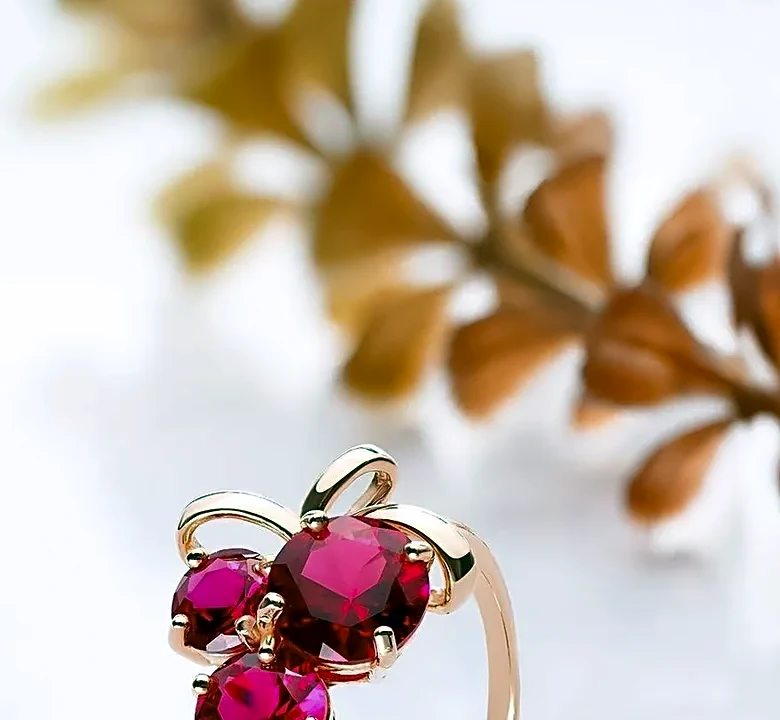
Determining your undertone doesn't require a professional stylist. There are a few easy tests you can do right now. The most well-known is the Vein Test: look at the veins on the inside of your wrist in natural light. If they appear distinctly blue or purple, you have cool undertones. If they look more greenish, you’re in the warm category. A mix of blue and green suggests you might be neutral. Another popular method is the Jewelry Test. Do you feel you look better in silver or gold jewelry? Silver tends to be more flattering on cool undertones, while gold often makes warm undertones pop. If you can wear both equally well, you're probably a neutral.
So, What Colors Should You Wear?
Once you've identified your undertone, shopping becomes much easier. For warm undertones, think of colors you'd see in a sunset or on an autumn day. Earth tones like olive green, mustard yellow, burnt orange, and rich browns will be your best friends. Off-whites and creamy ivories are often better than stark white. For cool undertones, think of colors from the ocean and a winter landscape. Bright blues, deep purples, emeralds, and vibrant jewel tones will make your skin sing. Pure white and black are also strong choices. Neutrals can borrow from both palettes, but often find they lean slightly one way; for example, a neutral-cool might look best in softer blues, while a neutral-warm shines in peach.
Common Traps and Pitfalls
So why is this so hard for many people to get right? One of the biggest culprits is lighting. The harsh, often yellow-toned artificial lights in retail stores can completely distort how a color looks against your skin, making it difficult to judge accurately. Another mistake is confusing surface redness, from things like rosacea or a sunburn, with a cool undertone. Your undertone remains constant even if your surface tone changes. Finally, many simply assume their undertone based on their skin's depth—for instance, believing fair skin must be cool or tan skin must be warm—but undertones exist independently of how light or dark your skin is.