







The World’s Biggest Shop Window
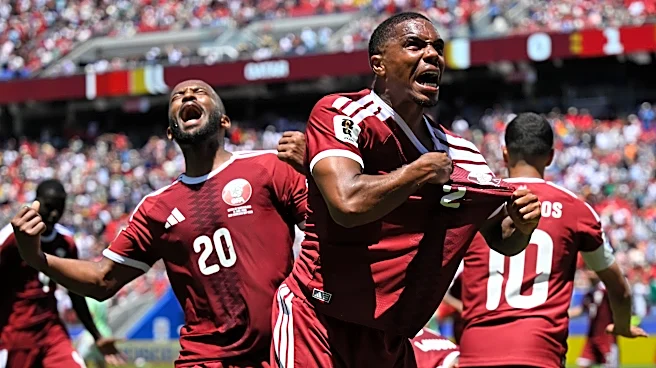
Imagine a job interview, but instead of a conference room, it’s a packed stadium, and instead of a few hiring managers, the audience is hundreds of millions of people—including every top scout, director, and billionaire owner in the world. That’s a World
Cup or a Copa América for an aspiring player. During the regular season, a player for a mid-table European club might be watched by a dedicated few. But during a major tournament, they are on a global stage. Every touch, tackle, and goal is broadcast, analyzed, and replayed in every major market. This massive, concentrated visibility is the first and most crucial ingredient. A player isn't just proving they're good; they're proving it in front of the exact people who can write the nine-figure checks.
The High-Pressure Litmus Test
Playing for your club is one thing. Playing for your country, with the weight of national expectation on your shoulders in a do-or-die knockout match, is another entirely. Top clubs aren’t just buying technical skill; they’re buying mentality. A tournament run is the ultimate litmus test for a player's psychological fortitude. Can they handle the pressure? Do they rise to the occasion or shrink from the moment? When a player like Argentina's Enzo Fernández went from a relative unknown to the Best Young Player at the 2022 World Cup, he wasn’t just showing off his passing range. He was demonstrating an elite composure that convinced Chelsea to break the British transfer record for him. This proof of big-game temperament dramatically de-risks a massive investment for a buying club.
Creating an Unforgettable Narrative
A strong tournament performance creates a simple, powerful story. In a cluttered market, narrative is everything. A player is no longer just a collection of stats; they become “the Moroccan rock who anchored an underdog story” (Sofyan Amrabat, 2022) or “the Colombian wizard who scored the goal of the tournament” (James Rodríguez, 2014). This narrative is marketing gold. It makes a player an easy sell to a club’s board and, just as importantly, to its fanbase. It generates excitement and justifies the price tag. Agents are masters at cultivating these narratives, using media connections and social media buzz to fan the flames and build momentum. A few great weeks can write a story that adds tens of millions to a player’s valuation.
The Agent’s Ultimate Leverage
When a player shines on the world stage, their agent’s phone starts ringing off the hook. This is where the real business begins. The agent’s job is to translate that on-field performance and media hype into cold, hard cash. A deep cup run provides the ultimate leverage. Instead of shopping a player to a handful of interested clubs, the agent can orchestrate a bidding war among the world’s elite. They can play clubs off one another, driving up not only the transfer fee for the selling club but also the wages and signing-on bonuses for the player. The short, intense window of a tournament creates a sense of scarcity and urgency, pressuring clubs to act decisively or risk missing out. It's a perfect storm for a career-defining payday.
The Post-Tournament Gamble
For every James Rodríguez who parlays a golden boot into a dream move to Real Madrid, there's a cautionary tale. The biggest risk for buying clubs is falling into the “tournament trap”—overpaying for a player based on a small, four-week sample size where they may have massively overperformed. Some players are simply better suited to the specific tactical system of their national team or thrive on the unique emotional high of a tournament. When they move to a new club with different teammates, a new system, and the week-in, week-out grind of a league season, they can fail to replicate that form. Clubs are essentially betting that the tournament player is the *real* player, but it’s a gamble that doesn’t always pay off, leaving them with an expensive asset who doesn't fit.