





The Anatomy of a Stale Q&A
We’ve all been there. An audience member nervously takes the microphone. 'What was your inspiration?' 'What was it like working with so-and-so?' 'When did you know you wanted to be a filmmaker?' While well-intentioned, these questions invite pre-packaged,
media-trained answers. Directors have answered them hundreds of times, and the responses are often polished anecdotes that reveal very little about the chaotic, magical, and messy reality of making a film. The goal of a great Q&A shouldn't be to hear a press release spoken aloud; it should be to genuinely peek behind the curtain. The problem with generic questions is that they ask about a director's intention, not their execution. They invite the story the director wants to tell, not necessarily the story of what actually happened.
The One Question That Changes Everything
So, what's the secret? It’s not about being confrontational or overly technical. The most revealing question you can ask a director is simple, specific, and rooted in the reality of their craft. It’s this: 'What was the happiest accident that occurred during production, and how did it shape the final film?' This question is a skeleton key. It's disarming, positive, and impossible to answer with a canned response. It bypasses the official narrative and gets right to the heart of the filmmaking process: a constant dance between meticulous planning and unforeseen chance. It asks for a story, and directors, at their core, are storytellers.
Why It Unlocks a Director's Process
Filmmaking is often described as problem-solving in the fast lane. Asking about a 'happy accident' forces a director to talk about a moment when the plan went sideways, but something better emerged. This reveals several key aspects of their process. Firstly, it shows their adaptability. Did a sudden storm force them to rewrite a scene on the fly, creating a more dramatic backdrop? Did an actor flub a line in a way that revealed a deeper truth about their character? The answer demonstrates how a director thinks on their feet. Secondly, it illuminates their core vision. What a director chooses to identify as a 'happy' accident shows what they truly value. Is it a performance moment, a visual quirk, or a narrative detour? Their choice signals what they believe truly serves the story. An answer about a specific camera flare shows a visual-first mindset, whereas a story about an improvised line of dialogue highlights a performance-centric approach.
What You Learn from the Answer
The stories that emerge from this question are pure gold for anyone who loves film. You might learn that a film’s most iconic shot was the result of a camera malfunction. You might discover that a pivotal character relationship was defined by an unscripted moment of connection between two actors. These anecdotes aren't just trivia; they are miniature case studies in creativity. They demystify the image of the all-knowing auteur and replace it with a more human portrait of an artist navigating constraints and embracing surprise. It’s a reminder that art isn't just willed into existence; it’s discovered and assembled, piece by unexpected piece. A director's ability to recognize a valuable mistake and incorporate it is often what separates a good film from a great one.
Your New Film Festival Superpower
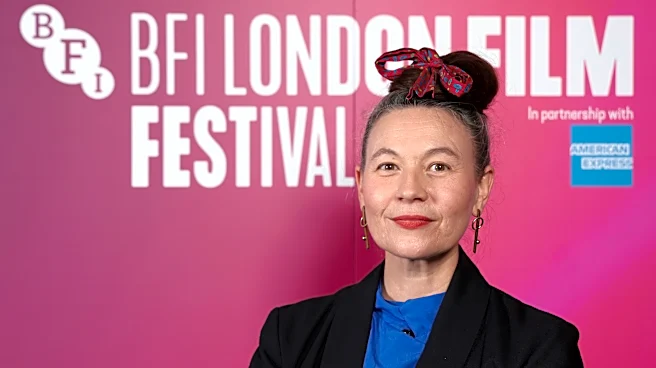
While pegged to the prestigious atmosphere of the BFI London Film Festival, this approach is a tool for any film lover at any screening. The next time you find yourself with an opportunity to ask a question, resist the urge to go broad. Don't ask about the theme; ask about the texture. Instead of 'Why did you make this film?,' try asking about a moment that almost didn't happen. You’re not just asking a question; you are extending an invitation for the director to step off their pedestal and share a genuine moment of creative discovery. You're giving them permission to stop performing as 'The Director' and simply talk about the work they did.