



The Problem with Literal Gods
Let’s be honest: seeing actors in shimmering togas on a CGI Mount Olympus often pulls us right out of the story. While Greek gods were famously anthropomorphic—possessing human-like emotions and flaws like jealousy and rage—a literal depiction can feel
campy to modern audiences. The minute Zeus looks like just another actor in a fake beard, the divine stakes collapse. The gods of the Odyssey are meant to be forces that shape destiny, not just squabbling celestial landlords. Their power is meant to feel absolute and terrifying, a state that’s hard to achieve when they look like they’ve walked off the set of a high-budget toga party. Any adaptation has to grapple with this: the gods are characters, but they aren't just people. The trick is to portray their influence and personality without reducing their grandeur.
The Athena Approach: Masters of Disguise
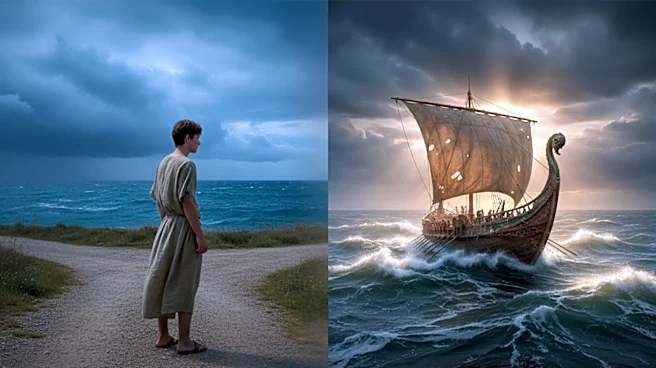
The poem itself gives us the most elegant solution: disguise. Athena, Odysseus's divine protector, rarely appears in her true form. She shows up as a trusted old friend, Mentor, a young shepherd, a Phaeacian princess, and even as Odysseus’s own son, Telemachus. In fact, across the entire epic, she appears in at least a dozen different human forms. A film could lean into this heavily. The gods could be present throughout the story, hidden in plain sight. An old woman offering crucial advice at a crossroads, a young soldier giving a word of encouragement before a fight, or a sudden ally who appears and disappears without explanation. The visual language wouldn't be about glowing effects, but about subtle, unsettling familiarity. The audience, and perhaps Odysseus himself, would start to suspect that certain encounters are more than they seem, creating a sense of paranoia and wonder. Who can you trust when a god could be anyone?
The Poseidon Method: Forces of Nature
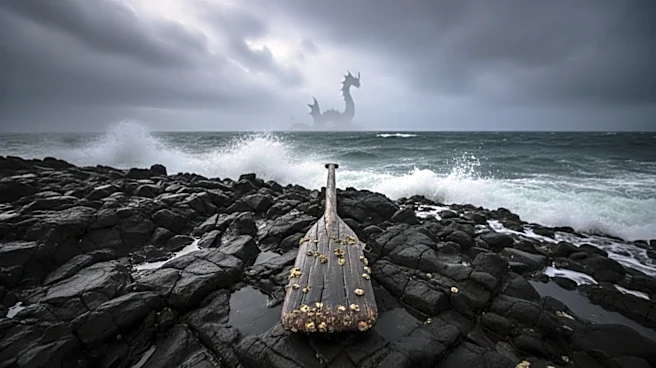
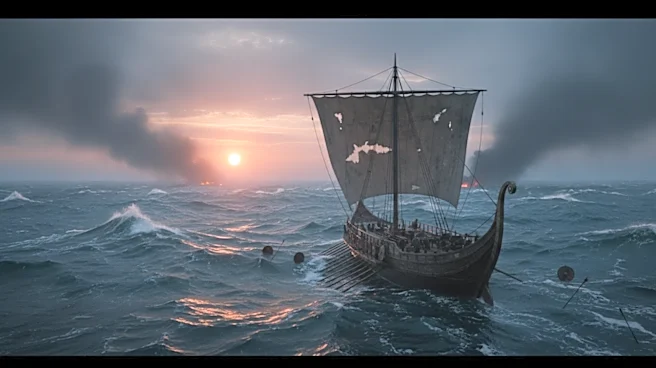
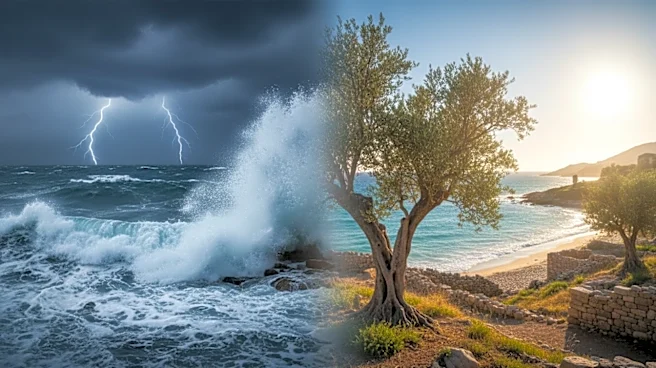
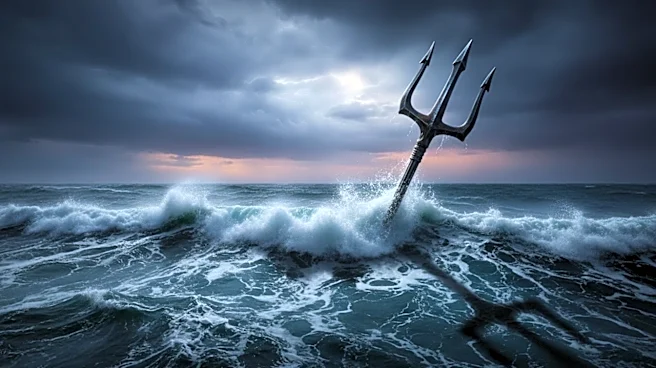
Not all gods in the Odyssey are subtle. Poseidon, the god of the sea, is a being of pure, relentless wrath, furious with Odysseus for blinding his son, the Cyclops Polyphemus. His rage is not shown through dialogue on Olympus but through the brutal, physical reality of the ocean. He is the sudden, ship-splintering storm, the rogue wave that appears from a calm sea, and the impossible currents that drag a ship off course. A film could visualize this directly. Poseidon isn't a man with a trident; he is the storm itself. His anger is a meteorological event. When Zeus is displeased with Odysseus’s men, he sends a catastrophic storm that leaves Odysseus the sole survivor. This approach treats the gods not as people, but as the consciousness behind the natural world’s most terrifying power. Their will is expressed through wind, water, and lightning—forces that are visceral, undeniable, and utterly beyond human control.
The Unseen Influence: A World of Omens
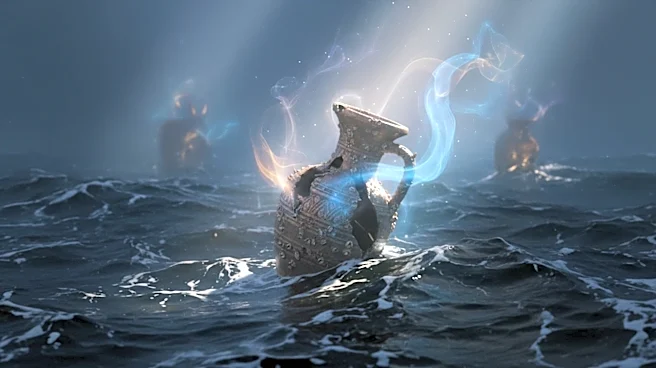
Sometimes, the most powerful presence is one that is never seen at all. The influence of the gods could be shown purely through its effects on the mortal world. Think of it as a kind of divine physics. A gust of wind that blows a door shut at a critical moment, a sudden fog that conceals Odysseus as he arrives on a hostile shore, or the inexplicable failure of an enemy’s weapon in battle are all actions attributed to Athena. She deflects spears aimed at Odysseus and instills courage in others to help him. This technique would focus on the receiving end of divine intervention. From the mortal perspective, it would feel like supernatural luck or crushing misfortune. A filmmaker could use sound—a whisper on the wind—or light—a strange glint on the horizon—to signal a god’s attention without ever showing a face. This method preserves the mystery and terror of the gods, making them an omnipresent but unknowable force guiding or cursing the characters' lives.