


The Race Against Inflammation
A sunburn is more than just a surface-level irritation; it's an inflammatory response to DNA damage in your skin cells caused by UV radiation. By the time your skin turns red, an inflammatory cascade is already underway, causing swelling, pain, and further
cell damage. Most common remedies, like cool showers and aloe vera, are reactive—they soothe symptoms that are already in full swing. The American Academy of Dermatology and numerous skin experts emphasize that effective treatment should start as soon as you notice the burn. But the truly quiet recommendation involves tackling the problem from the inside out, not just from the outside in.
The Hidden Step: An Internal Response
The single most underutilized but dermatologist-recommended step is to take a nonsteroidal anti-inflammatory drug (NSAID) as soon as you realize you're burned. This includes over-the-counter options like ibuprofen or aspirin. Taking an NSAID at the first sign of a burn can interrupt the body's inflammatory process before it fully peaks, helping to reduce redness, swelling, and discomfort more effectively than topical treatments alone. While acetaminophen can help with pain, it doesn't target inflammation, making NSAIDs the superior choice for a sunburn. This proactive internal step works to calm the storm brewing beneath the skin's surface, giving topical treatments a much better chance to soothe and heal what's visible.
Upgrade Your Topical Treatment
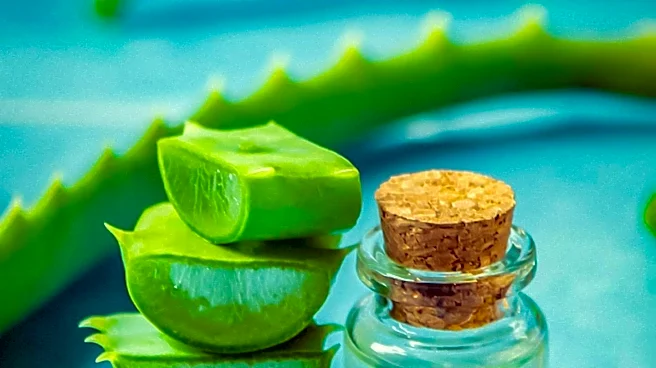
Once you've addressed the internal inflammation, you can focus on external care. While aloe vera is a classic for a reason due to its cooling properties, dermatologists suggest looking for moisturizers with additional beneficial ingredients. Products containing soy have been shown to help soothe burned skin and are often recommended. Other powerhouse ingredients include ceramides, hyaluronic acid, and oat extract, which help restore the skin's compromised moisture barrier. Apply your chosen moisturizer to damp skin right after a cool shower to trap hydration. For an extra soothing effect, you can even store your aloe or moisturizer in the refrigerator.
Crucial Mistakes to Avoid
What you don't do is just as important as what you do. First, stay away from any products that can make things worse. Avoid petroleum-based ointments initially, as they can trap heat and intensify the burn. Also, steer clear of products containing alcohol, which can dry out already dehydrated skin, and topical anesthetics ending in "-caine" (like benzocaine or lidocaine), which can cause further irritation or allergic reactions. It’s also critical to leave any blisters alone. Popping them opens the door to infection and slows down your body's natural healing process. Finally, resist the urge to peel flaking skin; let it slough off naturally to avoid damaging the new, sensitive skin underneath.
Hydrate and When to Seek Help
A sunburn draws fluid to the skin's surface, pulling it away from the rest of your body, which can lead to dehydration. It is essential to drink extra water and hydrating fluids to help your body and skin recover. While most mild to moderate sunburns can be managed at home, some situations require medical attention. If your sunburn is accompanied by widespread, severe blistering, or if you develop symptoms like a high fever, chills, confusion, or nausea, you could have sun poisoning or a serious burn that needs a doctor's evaluation. Don't hesitate to seek professional care if the burn seems severe or covers a very large area of your body.