







The New Kingmakers of Global Soccer
Remember when a goal from a corner felt like a lucky break? A chaotic scramble, a fortunate bounce, a moment of brute force in a game of skill? Forget that. The 2026 World Cup, a tournament defined by tactical evolution in its expanded 48-team format,
has cemented a new reality: set pieces are no longer about luck. They are a science. From the group stage to the tense knockout rounds, dead-ball situations have become the ultimate difference-maker. Teams have poured unprecedented resources into this facet of the game, and it has paid off spectacularly. Data from the early stages of the tournament showed a significant tactical shift, with teams exploring different delivery styles, like an increase in out-swinging corners, designed to create more space against packed defenses. It’s a trend that has been building in club soccer for years but has now announced its arrival on the world’s biggest stage. Winning a World Cup is no longer just about open-play brilliance; it’s about mastering the dead ball.
The Science of the Static Ball
So, what changed? The revolution is being led by a new, influential figure in the sport: the set-piece coach. Once a generalized duty for an assistant, this is now a highly specialized role. These specialists are part footballing detective, part choreographer, spending hundreds of hours analyzing video to spot opponents' defensive vulnerabilities and designing intricate routines to exploit them. They scheme up blocking movements worthy of an NFL playbook to free up a team's biggest aerial threat and design defensive structures to nullify the opposition. This intense preparation has turned every corner and free-kick into a high-stakes chess match. The rise of sophisticated data analytics has reinforced their importance, allowing coaches to identify high-leverage situations and prove the value of their work. In a tournament with a grueling schedule and limited training time between matches, perfecting set pieces offers a quick and efficient way to gain a decisive edge.
Case Study: The 2026 Knockout Stage
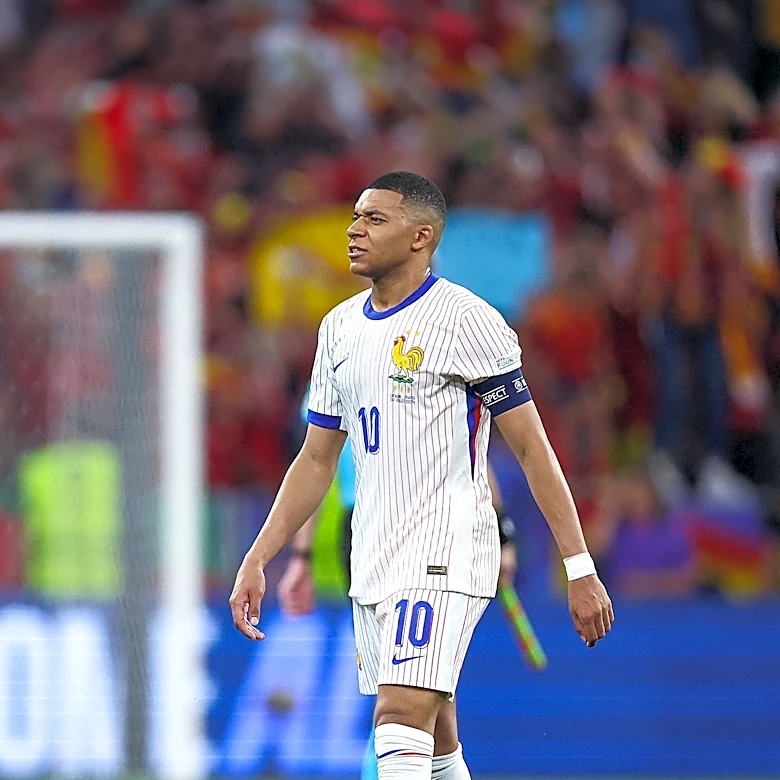
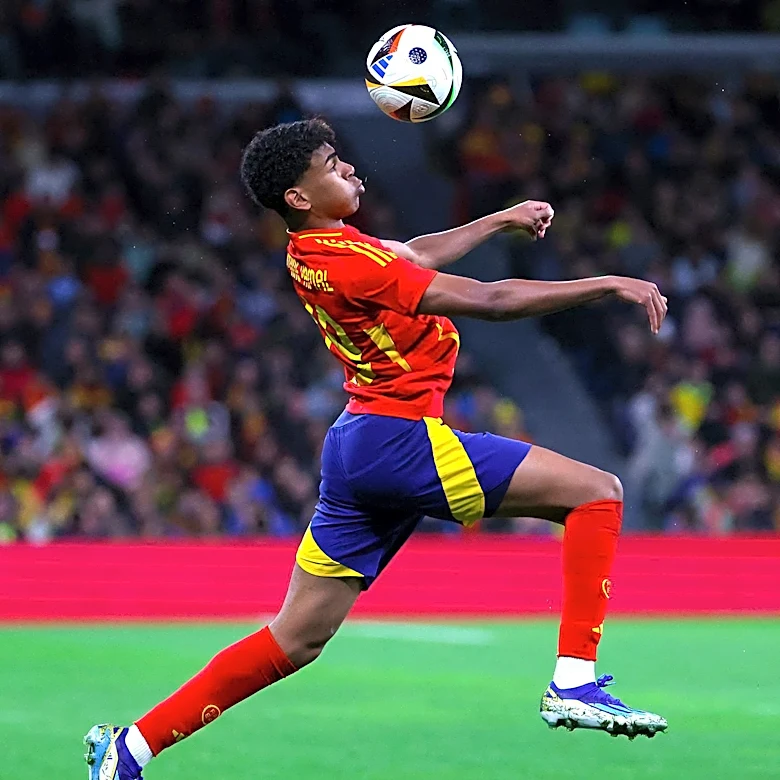
Nowhere was the impact of set-piece mastery more evident than in the crucible of the knockout rounds. The margins are razor-thin, and a single goal can rewrite legacies. Throughout the tournament, teams demonstrated just how vital these moments are. We saw Norway, for instance, exhibit marked superiority in offensive set-pieces, using clever blocks and movements to free up star striker Erling Haaland. Analysis showed how header assists from corners and throw-ins increased significantly in 2026, a direct result of more pre-planned strategies. In the semifinal, Spain’s triumph over a star-studded French side was initiated by a penalty won through the cleverness of Lamine Yamal. These moments weren't flukes; they were the result of countless hours of planning. The data backs it up, with statistics from this World Cup showing just how many teams, from the USMNT to Argentina, generated a significant portion of their goal threat from set plays.
Is This Good For the Game?
There’s a certain romance to a goal scored from a flowing, 10-pass move. Some purists might argue that an over-reliance on set pieces dumbs the game down, making it more about height and physicality than technical skill. But that’s a simplistic view. The modern set piece is a testament to intelligence, preparation, and collective execution. It rewards teams who are smarter and more organized. It adds another layer of tactical drama, a mini-game of feints, blocks, and deliveries unfolding in the most high-pressure moments. Furthermore, it creates opportunities for different kinds of players to become heroes. It's not just about the nimble dribbler anymore; the powerful center-back with a knack for timing his run, or the midfielder who can deliver a perfect ball, are just as crucial. It’s an evolution, not a regression, making the game tactically richer than ever before.