



Look for Worlds, Not Just Sets
This is about production design. It’s not just about building a cool-looking room; it's about telling a story with every object inside it. Award-winning production design creates a complete, lived-in world. Think about the sterile, unnerving office in Severance
or the meticulously crafted period details of a show like The Gilded Age. When you watch a show, ask yourself: Does this space feel real? What do the details—the clutter on a desk, the style of the furniture, the wear and tear on the walls—tell me about the characters who inhabit it? Emmy-worthy design doesn’t just look good; it communicates character and theme before a single line of dialogue is spoken. It’s the difference between a set and a world.
See How the Camera Tells the Story
Cinematography is the art of the camera—how it’s positioned, how it moves, and how it uses light and shadow. You don't need to know the difference between a Cooke and an Angénieux lens to appreciate it. Instead, pay attention to feeling. Does a scene feel intimate and claustrophobic? The camera is likely using tight close-ups. Does it feel vast and epic? Look for sweeping wide shots. Great cinematography, like in the documentary Ocean with David Attenborough, uses the camera to create emotion. Notice the color palette. Is it warm and nostalgic or cool and clinical? These choices are deliberate. When a camera movement or a beautifully lit shot gives you chills, that's Emmy-level cinematography at work. It’s about making you feel something through the visuals alone.
Notice the Editing You Don’t Notice
Editing is often called the "invisible art" because when it's done well, you're not supposed to notice the cuts. But what you do notice is the result: the pacing, the rhythm, and the emotional impact. A great editor knows exactly when to cut away from a character's reaction or when to hold on a single shot for an uncomfortably long time to build tension. Shows celebrated for their editing, like The Bear, use it to create a specific energy—sometimes chaotic and frantic, other times quiet and poignant. To spot it, think about the rhythm of a scene. Does a fast-paced action sequence feel coherent and exciting? Does a quiet conversation land with emotional weight? That's not just good acting; it's a team of editors making thousands of precise choices to shape those performances and guide your experience.
Listen for the Sound That Builds the World
Close your eyes during a scene. What do you hear? Sound mixing and sound editing are two distinct crafts that build the auditory world of a show. Sound editing is about creating or sourcing every individual sound, from a footstep to a dragon's roar. Sound mixing is about blending all those elements—dialogue, score, and sound effects—into a coherent whole. In a show like Welcome to Wrexham, the mix might put you right in the middle of a roaring stadium, while a series like Breaking Bad famously used sparse, ambient sounds to create a feeling of isolation. Listen for the small things: the specific hum of fluorescent lights in an office, the distant city sounds outside a window. This texture makes a world feel authentic. When sound is used to create a feeling or tell a story, you're hearing award-winning work.
Read the Story in the Clothes
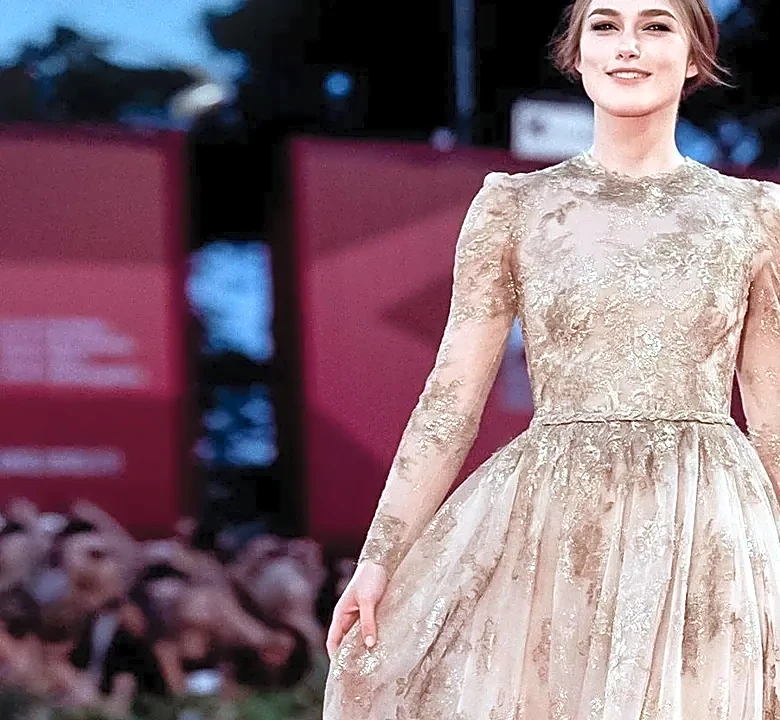
Costume design is character development you can see. It's far more than just putting actors in nice outfits. The clothes tell you who a character is, where they've been, and who they want to be. Period shows like Bridgerton or The Crown get a lot of attention for their historical accuracy and opulence, but contemporary costume design is just as challenging. Look at how a character's wardrobe evolves over a season. Does a character who gains power start wearing sharper, more structured clothing? Do the colors they wear reflect their emotional state? Award-winning costume design, whether for reality shows like The Traitors or dramas like Palm Royale, uses every fabric, color, and silhouette to reinforce the story.