


The Transparency Trap
Let’s address the most common fear associated with light-colored swimwear: transparency. When a fabric gets wet, the water fills the air gaps between the fibers. This changes the way light refracts, or bends, as it passes through the material. For many
fabrics, water’s refractive index is closer to that of the fiber than air is, which makes the wet fabric appear more transparent. Yellow, being a light color, is particularly susceptible to this phenomenon. A cheap, thin, or poorly lined yellow swimsuit can go from chic to shockingly sheer in seconds. The first line of defense is a high-quality, dense knit and, crucially, a full lining—preferably a nude or white one. A premium fabric finish can also include a water-repellent quality that helps the material shed water faster, reducing the time it spends in its most transparent state.
The Color Fade Conundrum
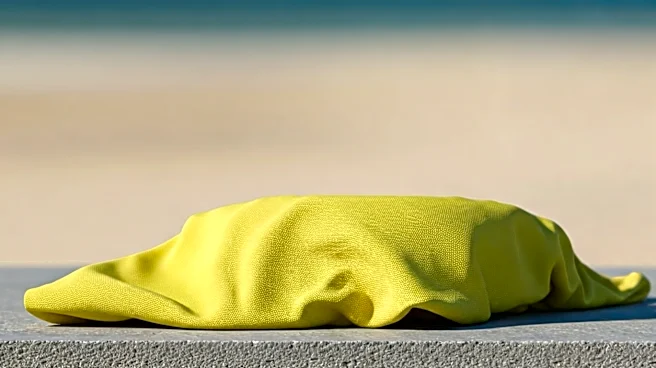
That brilliant, electric lemon shade is what makes the suit a showstopper. Unfortunately, the very things your swimsuit is exposed to—sun, chlorine, and saltwater—are mortal enemies of vibrant dyes. Chlorine is a bleaching agent, and UV radiation from the sun breaks down the chemical bonds in textile dyes, causing them to fade. Bright, saturated colors like yellow can show this fading more dramatically than muted tones, turning your once-vivid suit into a sad, pale butter color. This is where a key fabric finish comes in: colorfastness. Look for swimwear labeled “chlorine-resistant” or “colorfast.” This means the fabric has been treated or is inherently designed (like certain high-grade polyesters) to withstand chemical and UV degradation, locking in that lemon yellow for many seasons to come.
Resisting Stains and Wear
Yellow is a magnet for discoloration. A single drop of sunscreen oil, a smear of self-tanner, or even mineral deposits from a pool can create a noticeable stain that’s difficult to remove. The porous nature of many spandex-blend fabrics can trap these oils and minerals, leading to permanent yellowing or graying in certain spots. Furthermore, because it’s a light color, yellow fabric shows pilling and abrasion more clearly. Those rough patches that can form from sitting on a concrete pool edge or a wooden deck are far more obvious on a smooth yellow surface. A high-quality fabric finish can create a smoother, more resilient surface that resists abrasion and helps repel oils and lotions, making the suit not just look better, but last longer. It’s the invisible armor your sunny suit needs.
What to Look For on the Label
So, how do you find a suit with the “right” finish? You have to become a savvy label reader. Don't just look at the price tag; inspect the material details. Here’s your cheat sheet: - **Chlorine-Resistant/Colorfast:** This is non-negotiable for any bright color. It’s the single best indicator that your suit’s hue will last. - **UPF 50+:** While primarily for sun protection for your skin, a Ultraviolet Protection Factor rating also means the fabric itself is built to withstand UV rays, which contributes to less color fading. - **Lining:** Check the inside. Is it lined only in the crotch, or is the entire front (and preferably back) panel lined? Full, high-quality lining is essential for opacity. - **Fabric Blend:** High-quality nylon or polyester blends with a healthy percentage of Lycra or Spandex (around 15-20%) offer the best mix of stretch, durability, and shape retention. Fabrics marketed with brand names like Carvico or Econyl often signal a higher-end, performance-oriented material with these features built-in.