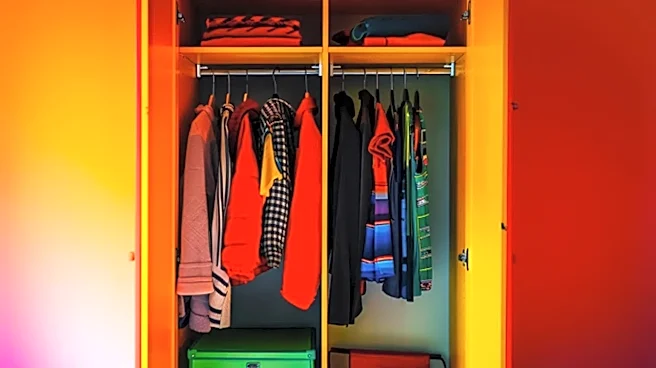






A closet full of black, white, and gray is famously versatile, but it’s not the only way to build a functional wardrobe. With a few strategic shifts, you can embrace vibrant hues and still have everything mix and match with surprising ease.
1. Redefine Your 'Neutrals'
The first step
away from a monochrome closet is expanding your definition of a neutral. Black, white, and beige are safe, but they aren't your only options. Deep, rich colors like navy, olive green, burgundy, and even chocolate brown can function as the foundation of your wardrobe. These shades are subdued enough to pair with a wide range of other colors, including brighter ones, yet they bring more personality than standard gray or black. Think of a navy blazer instead of a black one, or olive trousers instead of beige. These pieces anchor your outfits while introducing a subtle chromatic depth.
2. Master the 'Color + Neutral' Formula
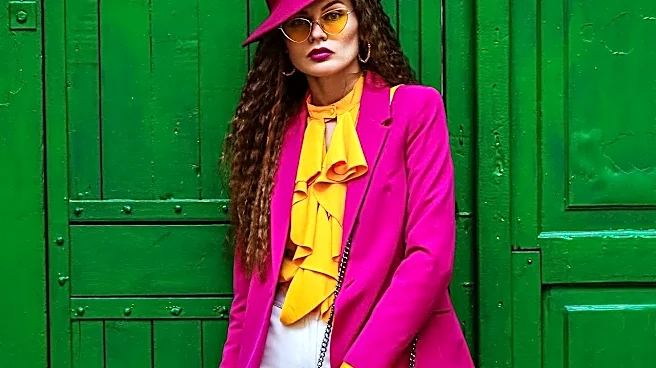
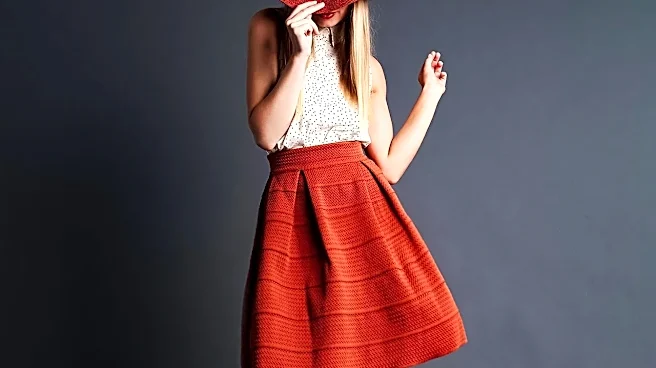
If you’re just beginning to experiment, the simplest rule is to pair one colorful item with neutral pieces. Let a single, vibrant piece be the star of the show. For example, team a bright sweater with classic blue jeans, or a jewel-toned skirt with a simple white t-shirt and cream cardigan. This approach ensures your outfit feels balanced and intentional, not overwhelming. It allows you to get comfortable wearing bolder shades without worrying about complicated color pairings. Your existing neutral basics become the supporting cast that makes your new colorful pieces shine.
3. Embrace Tonal and Monochromatic Looks
Dressing in different shades of the same color, known as tonal or monochromatic dressing, is a sophisticated way to wear color with confidence. It creates a cohesive, elongated silhouette that always looks chic. You could pair a light blue shirt with navy trousers and a cobalt blue bag, for instance. The key is to play with different textures and shades to create visual interest. A silk camisole, a chunky knit cardigan, and wool trousers in varying tones of green will look far more dynamic than an outfit made of the exact same shade and fabric.
4. Use Prints as a Color Roadmap
A multi-colored print can be your secret weapon for building a versatile wardrobe. Instead of seeing a patterned shirt or dress as a standalone piece, view it as a cheat sheet for color combinations. Pick out the different colors within the print and use them to select other items for your outfit. If a floral skirt contains shades of pink, green, and yellow, you can confidently pair it with a top or accessories in any of those colors. This ensures your look is harmonious and thoughtfully coordinated.
5. Start Small with Colorful Accessories
You don’t have to dive headfirst into a brightly colored suit. Accessories are a low‑commitment way to inject personality and color into your daily looks. A vibrant scarf, a statement handbag, bold shoes, or even a colorful belt can completely transform an otherwise neutral outfit. This strategy allows you to experiment with different hues and find the ones you love without overhauling your entire closet. A pop of red from a pair of heels or a splash of emerald green from a handbag adds instant interest.
6. Choose a Cohesive Color Palette
The secret to a truly versatile wardrobe—colorful or not—is a coherent color palette. Instead of collecting random colors, be intentional. Start with two or three base neutrals (like navy and cream), then add three or four accent colors that you love and that work well together. A good starting point is to choose analogous colors (neighbors on the color wheel, like blue and green) or complementary colors (opposites, like blue and orange) for a more dynamic look. When all your pieces belong to a considered palette, mixing and matching becomes almost effortless.
7. Prioritize Versatile Silhouettes
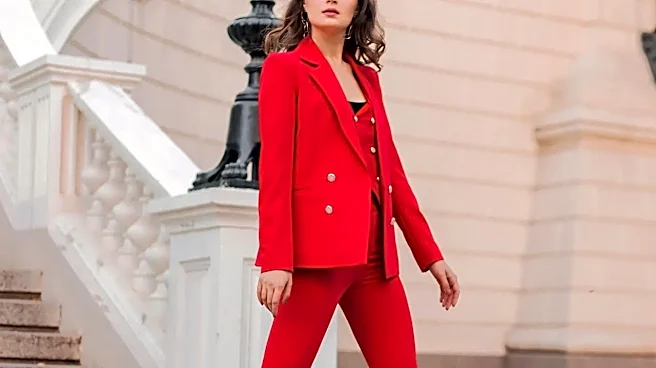
Versatility isn't just about color; it's also about shape. A classic trench coat, a simple crew‑neck sweater, a well‑fitting t‑shirt, and straight‑leg trousers are versatile no matter what color they are. When you invest in timeless, simple silhouettes, you ensure the pieces can be dressed up or down and styled in countless ways. A bright pink, well‑cut blazer can be just as much of a workhorse as a black one—pair it with jeans for the weekend, with trousers for the office, or over a dress for an event.