



The Foundation of Fun
When you imagine your Burning Man experience, you probably picture incredible art, pulsing sound systems, and mesmerizing light displays. But none of that happens without electricity. In a city with no central power grid, the single most important piece
of gear for any entertainment-focused project isn't a speaker or a projector—it's your power source. It's the boring, humming box in the corner that makes everything else possible. Skimp on it, and you're planning for failure. The brutal playa environment, with its alkaline dust and temperature swings, is notoriously hard on electronics. A weak or unreliable power source won't just fail; it can damage the very equipment it's supposed to be running.
The Great Debate: Gas vs. Solar
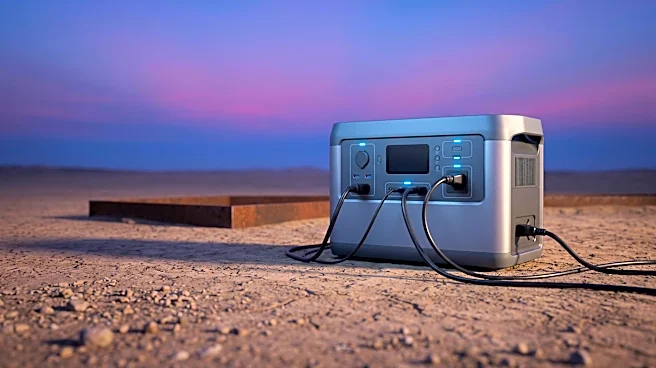
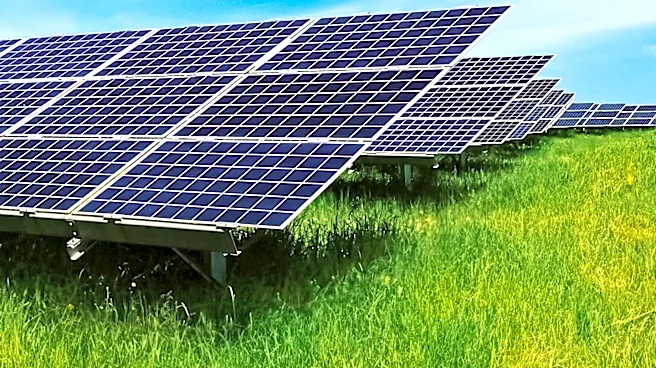
Your first major decision is how you'll generate those precious watts. For decades, gasoline generators were the default answer. They are powerful, relatively straightforward, and can run 24/7 as long as you have fuel. However, they come with significant downsides: constant noise, toxic fumes, and the need to safely transport and store flammable fuel. Burning Man has specific rules to mitigate this, urging participants to use the quietest models available and even build sound-dampening enclosures, often called baffle boxes. On the other side is solar power. Harnessing the relentless desert sun is philosophically aligned with the event's sustainability goals. Modern solar generators, which are essentially large battery packs (like the EcoFlow or Goal Zero models) paired with portable panels, are silent, clean, and increasingly user-friendly. Their limitation is capacity and cost. A large solar setup can power a small camp or art installation, but it requires significant investment and careful energy budgeting—you can't just plug in more gear if you run low. For many, a hybrid approach offers the best of both worlds.
Why an Inverter Generator Is the Real MVP
If you go the traditional route, not all generators are created equal. This is where the headline's 'one piece of gear' truly comes into focus. You need an inverter generator. Unlike cheap, conventional contractor generators that produce 'dirty' power with unstable voltage, an inverter generator uses sophisticated electronics to produce a clean, stable sine wave of electricity. This is crucial for running sensitive electronics like laptops, DJ controllers, and LED systems, which can be damaged by choppy power. Inverter generators are also significantly quieter and more fuel-efficient because their engine speed adjusts to the electrical load, rather than running at full tilt all the time. While they cost more upfront, their reliability, quiet operation, and fuel savings make them the non-negotiable standard for any serious playa power plan.
Don't Forget the Supporting Cast
The generator is the star, but it can't perform without a solid supporting cast. Your power system is only as strong as its weakest link. Invest in heavy-duty, outdoor-rated extension cords of the proper gauge for your power draw; flimsy cords are a fire hazard. Keep all connections and power strips elevated off the playa surface to protect them from dust and potential moisture. Bring extra fuel in approved containers and have a plan for safe storage away from heat sources and living areas. Finally, pack a basic maintenance kit with spare spark plugs and oil. A little preventative care can be the difference between a minor fix and a week of silence.
Power and Community Responsibility
In Black Rock City, your power choices affect everyone around you. Radical self-reliance means bringing a system that works, but the principle of communal effort means not letting your solution become someone else's problem. A noisy, sputtering generator running at 3 a.m. is a classic neighborhood dispute waiting to happen. The official guidance is to be considerate, place generators as far from other camps as possible, and use sound shields. This isn't just about being polite; it's about respecting the shared environment. If a sound issue persists, organizers have the authority to disable your power source. Planning your power responsibly is a core part of being a good citizen of BRC.