


4. The Reliable Procedural
The crime, medical, or legal procedural is the bedrock of network television for a reason: it’s a content-producing machine. Shows like the 'Law & Order,' 'CSI,' and 'NCIS' families have proven for decades that a repeatable case-of-the-week formula is extraordinarily
durable and can be transplanted to new cities with new casts. However, their franchise potential has a ceiling. While these shows excel at creating spin-offs, they rarely build a deep, interconnected 'universe' in the modern sense. The stories are typically grounded and self-contained, limiting the kind of expansive world-building, prequels, or lore-heavy sequels that define today's biggest franchises. They are incredibly successful and long-lasting, but their expansion is more horizontal (more shows like the first one) than vertical (deeper exploration of the same world).
3. The Character-Driven Sitcom
A great sitcom creates characters that feel like family, making them prime candidates for spin-offs. Think 'Frasier' emerging from 'Cheers' or the extended universe of 'The Office' through its web series and international versions. The strength here is deep audience connection to specific personalities. If viewers love a character enough, they’ll follow them to a new show. Yet, building a true multi-series franchise from a sitcom is rare. The grounded, everyday reality of most comedies doesn't naturally lend itself to the kind of high-stakes, expansive storytelling needed for a sprawling universe. Their magic is often intimate and specific to one ensemble's chemistry, making it difficult to replicate or expand without losing the original charm.
2. The YA & Supernatural Soap
This genre is a quiet powerhouse of franchise creation. Shows like 'The Vampire Diaries' and the Arrowverse on The CW demonstrated a potent formula: combine attractive casts, high-stakes romance, and a touch of the supernatural or superhuman, and you get a deeply passionate fanbase. These worlds often have built-in mythology that can be easily explored in prequels ('The Originals') or next-generation sequels ('Legacies'). The serialized nature of these shows encourages viewers to invest heavily in the characters and the lore, making them eager for more content set in the same universe. While they may not always have the blockbuster budgets of other genres, their ability to create interconnected stories on a more character-focused level gives them formidable and often underestimated franchise potential.
1. Sci-Fi & Fantasy
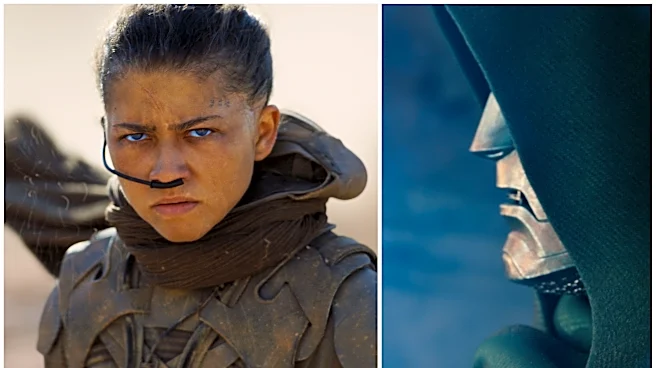
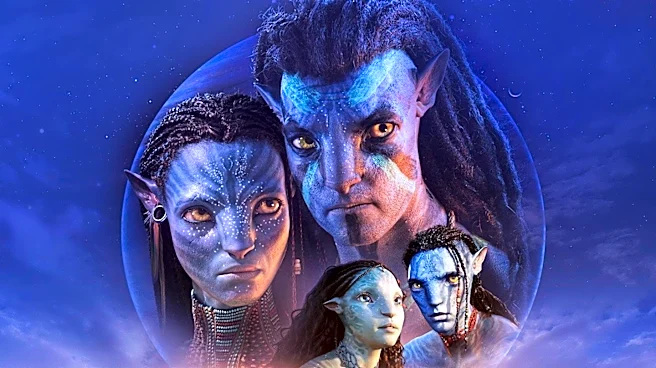
Was there ever any doubt? From 'Star Trek' to 'Game of Thrones' and the ever-expanding worlds of Marvel and Star Wars on streaming, the sci-fi and fantasy genre is the undisputed king of the franchise. The very nature of the genre is world-building. These stories aren't just about characters; they're about entire civilizations, galaxies, magical systems, and historical timelines that can be explored infinitely. Want a prequel set 200 years before the main story? 'House of the Dragon' proves it can be a massive hit. Want to explore a minor character's backstory? Disney+ has built its entire strategy on it. This fall, nearly every major streaming bet, from universe-expanding Marvel shows to new fantasy epics, is built on pre-existing IP. This genre allows for prequels, sequels, animated series, and spin-offs that all feel distinct yet connected, offering limitless creative and commercial runway. In the battle for long-term dominance, a detailed map and a deep history beat a case-of-the-week every time.