





The Hidden Artistry of Spectacle
It’s easy to dismiss a movie built around a skyscraper-sized lizard as inherently less artistic than a quiet, black-and-white drama. But this is a fundamental misunderstanding of craft. 'Loud and silly' does not mean artless. A world-class summer blockbuster
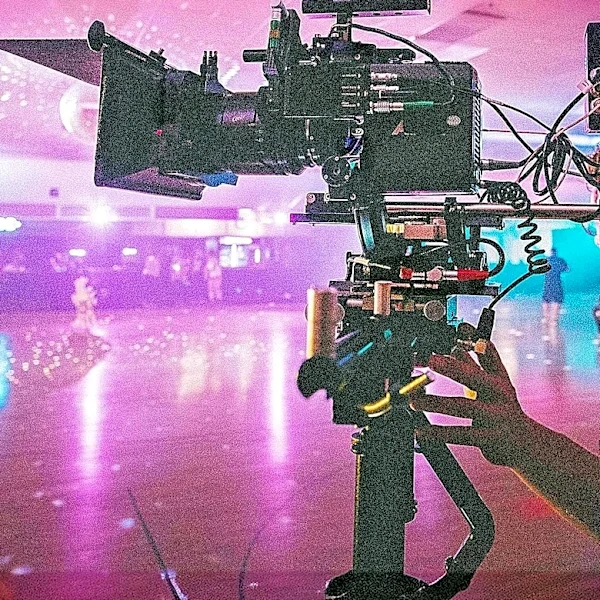
is a marvel of technical and creative discipline. The sound design that makes you feel an explosion in your bones, the visual effects that seamlessly blend the impossible with the real, the intricate fight choreography that flows like a brutal ballet—these are all forms of artistry. Hundreds, sometimes thousands, of highly skilled technicians, artists, and engineers collaborate to create two hours of breathtaking spectacle. To dismiss their work as 'dumb' is to ignore the staggering complexity and vision required to pull it off. These films operate on a different artistic wavelength, prioritizing visceral impact and awe over quiet introspection, but the skill involved is no less legitimate.
Escapism Is a Feature, Not a Bug
In conversations about film, 'escapism' is often wielded like a dirty word, as if wanting a break from reality is a character flaw. Yet, in an era of constant information overload and ambient stress, the ability of a film to completely transport you is not just a luxury; it's a vital function. A great summer movie offers a temporary exit ramp from our anxieties. For a couple of hours, your biggest problem is whether the hero will defuse the bomb in time, not your looming deadlines or the state of the world. This isn't about ignorance; it's about restoration. These films provide a mental and emotional palate cleanser, allowing us to recharge before diving back into our complex lives. That service is profoundly valuable, and it's a testament to a movie’s power, not a sign of its weakness.
The Power of a Packed Theater
Some movies are meant for solitary contemplation. Summer blockbusters are not those movies. They are designed for the crowd. The magic of a great popcorn flick is amplified by the shared experience of watching it in a packed theater. The collective gasp when a beloved character is in peril, the eruption of laughter at a perfectly timed one-liner, the spontaneous applause when the villain gets their comeuppance—these are irreplaceable moments of communal joy. This shared emotional journey turns a group of strangers into a temporary community, all connected by the narrative unfolding on screen. It's a ritual that reminds us of the power of storytelling to bring people together, an experience that streaming a serious drama at home, however excellent, simply cannot replicate.
A Different Kind of Emotional Catharsis
We're taught that cinematic catharsis comes from watching characters navigate profound tragedy or complex emotional turmoil. That's true, but it's not the whole story. There is a different, equally valid catharsis in pure, unadulterated fun. There's a release in the sheer kinetic energy of a car chase, a primal thrill in watching good triumph over evil in the most explosive way possible. These movies tap into a more straightforward set of emotions: excitement, joy, relief, and wonder. They aren't trying to make you grapple with the darkness of the human condition; they’re trying to remind you of the exhilaration of being alive. Judging them for not being something they never intended to be is like criticizing a roller coaster for not being a painting. Both offer a thrill, just of a very different kind.