
The Great October Rewatch
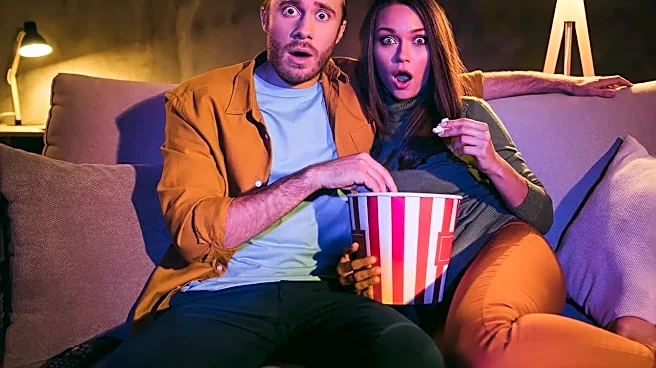
For horror fans, October is a month-long celebration. It’s a time to revisit the classics that defined the genre and our fears. Whether it’s the slow-burn suspense of John Carpenter’s original “Halloween” or the meta-commentary of “Scream,” these films
become seasonal staples. This isn't just about individual viewing; it's a communal experience, shared across social media and powered by curated streaming lineups from services like Shudder and dedicated programming blocks like AMC's FearFest. This annual pilgrimage back to Haddonfield, Woodsboro, or Camp Crystal Lake creates a predictable and massive surge in viewership for titles that may lie dormant for the other 11 months of the year.
Every Stream Is a Vote
In the age of streaming, your choice to rewatch Michael Myers stalk his victims is more than a passive act—it's a data point. Streaming giants like Netflix, Peacock, and Disney+ meticulously track viewing hours. When a decades-old franchise like “Halloween” or even a family-friendly cult classic like “Hocus Pocus” suddenly dominates the streaming charts every October, executives take notice. This consistent, fan-driven engagement sends a clear signal to studios: there is a dedicated, built-in audience for this property. It demonstrates that the brand is still valuable and that nostalgia can be a bankable asset, significantly lowering the perceived risk of investing in a new installment.
From Dormant to Dominant
The evidence is compelling. The “Halloween” franchise saw a major revival with the 2018 sequel, which wisely ignored the convoluted timeline of previous entries and served as a direct follow-up to the 1978 original. Its massive box office success was built on decades of sustained fan interest, proving that Michael Myers never truly left the public consciousness. Similarly, the “Scream” franchise roared back to life with new installments in the 2020s, finding both critical and commercial success by appealing to a new generation while honoring its roots. These revivals, or "legacy sequels," are often a direct result of studios recognizing that an IP has remained culturally relevant thanks to years of rewatches and fan discussion. Horror franchises, by their nature, rarely stay dead for good.
The Fan-Producer Feedback Loop
This dynamic has created a powerful feedback loop. Fans celebrate their favorite slashers and monsters each fall, generating a wave of streaming data and social media buzz. Studios, armed with this analytics, feel confident greenlighting a reboot or sequel. The new film, in turn, often drives renewed interest in the entire back catalog, reinforcing the franchise’s place in the October canon. This cycle has turned dedicated horror viewers into unintentional executive producers, their collective viewing habits acting as a powerful vote for what comes next. It’s a unique relationship where fandom doesn't just consume content but actively participates in keeping their beloved monsters alive and shambling back to the big screen for one more scare.