



An All-American Flashback
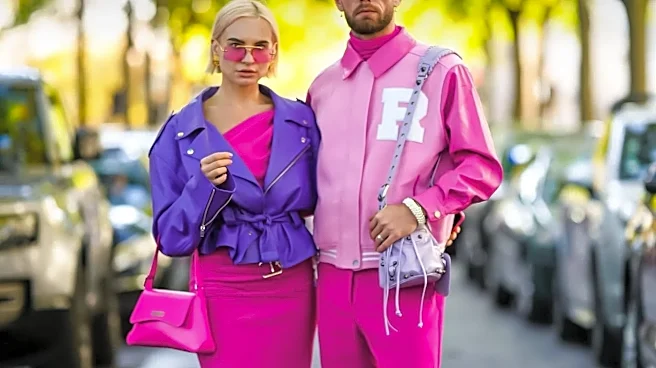
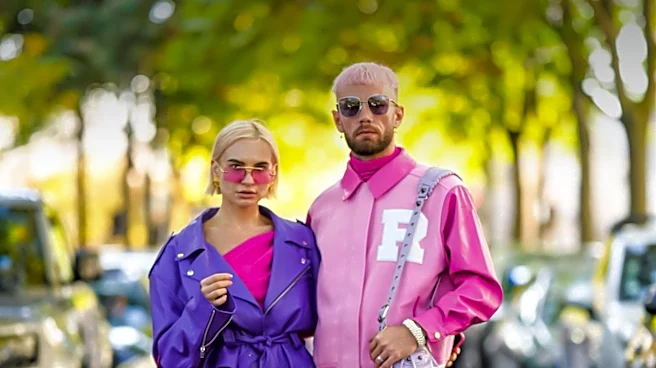
First, let's rewind. The original Y2K sportswear aesthetic was a loud, optimistic, and slightly chaotic celebration of the new millennium. Think velour tracksuits in hot pink, metallic puffer jackets, oversized logos, and sneakers that looked like they
belonged in a sci-fi movie. It was the era of excess, where fashion was about making a statement. Functionality often took a backseat to flash; it was less about athletic performance and more about channeling a pop-star-off-duty vibe. This unapologetic maximalism—shiny, branded, and bold—is the version of Y2K that has largely been revived in the U.S., a nostalgic nod to a time of exuberant self-expression.
The Scandinavian Design Filter
Now, contrast that with the core principles of Scandinavian style. For decades, design in countries like Denmark, Sweden, and Norway has been guided by minimalism, functionality, and a deep connection to nature. The aesthetic favors clean lines, muted color palettes inspired by landscapes, and high-quality natural materials like wool and cotton. There's a cultural philosophy of 'less is more' that shapes everything from furniture to fashion. This isn't just about looking good; it's about investing in durable, practical, and timeless pieces. Overt branding and unnecessary frills are often seen as going against this ethos of understated elegance.
Function, Not Just Futurism
This is where the Y2K trend gets its Nordic makeover. The 'tech' aspect of Y2K sportswear, originally expressed through shiny, synthetic fabrics, is reinterpreted through a functional lens. In Scandinavia, this translates to high-performance outerwear that can genuinely withstand the elements, a nod to the cultural importance of 'friluftsliv', or 'open-air living'. It's an ingrained belief that there's no bad weather, only bad clothing. So, a Y2K-inspired windbreaker isn't just a style choice; it's a piece of practical gear. The chunky sneaker trend persists, but it’s often a durable, trail-ready shoe rather than a purely decorative one. It’s Y2K’s futurism made practical for a hike or a cycle through the city.
A Quieter, Collective Style
The social context also plays a huge role, particularly the unwritten code of 'Janteloven' or the Law of Jante. This cultural concept, originating in a novel, emphasizes collective well-being and discourages individual showiness or bragging. You’re not supposed to think you are better than others. In fashion, this translates to a general avoidance of flashy logos and in-your-face wealth displays. So while a Scandinavian might wear a Y2K-style tracksuit, it's more likely to be a high-quality, unbranded version in a muted tone like sage green or butter yellow—colors spotted on the streets of Copenhagen Fashion Week. The statement is made through the quality of the fabric and the precision of the cut, not through a giant logo. It’s a collective, understated cool rather than a loud, individualistic statement.