







The Double-Edged Sword of Spectacle
When producer Cameron Mackintosh teamed up with Disney Theatrical to bring Mary Poppins to the stage, expectations were enormous. Mackintosh, the mastermind behind mega-musicals like Les Misérables and The Phantom of the Opera, is a known purveyor of spectacle.
The resulting show, which premiered in 2004, was a technical marvel. It featured a house that unfolded like a pop-up book, magical illusions, and gravity-defying choreography, most notably Bert tap-dancing upside down on the proscenium arch. But this astonishing stagecraft, while thrilling, often pulled focus. In a show filled with so much visual noise, the subtle emotional beats within the songs could get lost. The story of the Banks family learning to value each other risked being overshadowed by the sheer scale of the production. On stage, the magic was often literal, but on the album, it became purely musical.
The Clarity of a Studio Recording
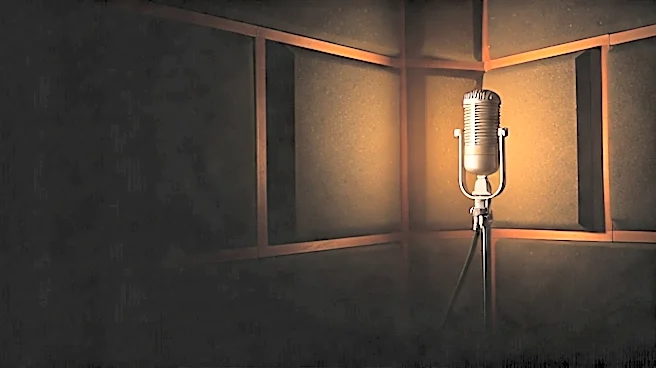
A cast album is, by its nature, an act of distillation. It strips away the visual elements and forces the listener to focus on the core components: music, lyrics, and performance. The Original London Cast Recording of Mary Poppins excels because of this. Free from the distractions of set changes and choreography, the score reveals its intricate beauty. The lush orchestrations by William David Brohn have room to breathe, and the clever lyrics by the Sherman Brothers and the new team of George Stiles and Anthony Drewe land with greater precision. Suddenly, a song isn't just accompanying an action sequence; it is the main event. Listeners can fully appreciate the seamless blend of the classic film songs with the new material, a feat that Stiles and Drewe accomplished with remarkable skill.
Celebrating the New Classics
Songwriters Stiles and Drewe were tasked with the impossible: writing new songs that could stand alongside the Sherman Brothers’ iconic, Oscar-winning score. They succeeded brilliantly, but it’s on the cast album that their contributions truly get their due. “Practically Perfect,” Mary’s introductory number, is a masterclass in character and wordplay that might be partially missed while watching Mary magically unpack her carpet bag on stage. “Anything Can Happen,” a soaring anthem of optimism added for the stage show, becomes a powerful emotional centerpiece on the album, unburdened by its function as a set-up for a grand finale. The album also preserved darker, more book-accurate numbers like “Brimstone and Treacle,” which deepened the narrative in a way the sunnier film never attempted. It allows these new classics to be heard not as additions, but as essential parts of the whole.
Preserving Practically Perfect Performances
The original London cast was extraordinary. Laura Michelle Kelly won an Olivier Award for her portrayal of Mary Poppins, and Gavin Lee’s Bert was a marvel of charisma and physical skill. While live theater is ephemeral, the cast album captures their definitive performances forever. Kelly’s voice is a crystalline blend of sternness and warmth, and every note she sings is imbued with Mary’s mysterious wisdom. The studio recording process allows for a level of vocal perfection and nuance that is nearly impossible to guarantee eight times a week in a demanding live show. It’s a snapshot of artists at the absolute peak of their craft, delivering a version of the score that is, in its own way, practically perfect.