



The Power of the Outline
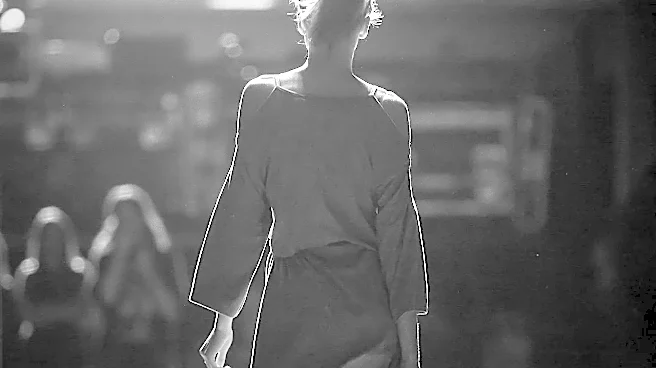
In fashion, silhouette is simply the outline or shape of a garment. It's the first and most crucial element in communicating a designer's vision. A collection's mood is set the moment these shapes appear, telling a story without a single word. Is the feeling
one of strength and defiance? Romance and ease? Intellectual rigor? The answer lies in the strategic use of proportion and form. During New York Fashion Week for Spring/Summer 2027, designers are once again proving that this foundational principle is the most powerful in their arsenal. After seasons dominated by a singular minimalist aesthetic, a more expressive and varied approach to silhouette is taking center stage, reflecting a collective desire for individuality and emotion in how we dress.
Architectural Shapes and Sculptural Power
One of the most immediate ways to convey a mood of strength and confidence is through architectural and sculptural shapes. Think sharp, defined shoulders, rigid fabrics, and exaggerated proportions that command space. At the recent Fall/Winter 2026 shows, designers like Khaite showcased this with tightly fitted leather jackets that create a militant yet feminine silhouette. Proenza Schouler similarly impressed with architectural tailoring, balancing structured forms with an underlying softness. This season, for Spring/Summer 2027, we're seeing this idea evolve. Emerging designers like Fforme are being watched for their architectural precision, while others are expected to close the week with precise, structured collections, signaling a return to powerful, assertive dressing. These are not clothes for blending in; they are designed to project authority and an artistic, uncompromising vision.
Fluidity, Draping, and Modern Romance
On the opposite end of the spectrum is the use of fluid and draped silhouettes to evoke a sense of romance, ease, and vulnerability. Designers achieve this with soft, flowing fabrics like silk and satin that move with the body. For the Spring/Summer 2027 season, there's a clear lean into romanticism. Frederick Anderson is known for his fluid silhouettes and sculpted knits that feel both sensual and sophisticated. Prabal Gurung, whose work is often inspired by his heritage, has demonstrated a mastery of refined draping to create hopeful, emotionally resonant collections. The use of bias-cut dresses, which allow fabric to cling and flow simultaneously, gives garments an almost liquid motion. This approach creates a mood that is less about assertion and more about softness and a dreamy, poetic sensibility.
The Tension Between Volume and Definition
Some of the most interesting collections play with the tension between oversized volume and sharp definition. A ballooning sleeve on a tailored jacket, a cinched waist on a voluminous skirt, or wide-leg trousers paired with a fitted top all create a dynamic push-and-pull. For Fall/Winter 2026, many collections featured cocoon shapes, broad shoulders, and tiny waists, creating a sense of romantic, gothic glamour. For Spring/Summer 2027, this continues with balloon pants, as seen at Altuzarra, and peplum shapes that give silhouettes more definition without sacrificing comfort. This contrast is a sophisticated way of storytelling, suggesting a character who is both protected and exposed, powerful and gentle. It reflects a modern wardrobe where comfort and structure are not mutually exclusive but work in tandem to create a complex, compelling mood.
Minimalism as a Mood
Even simplicity is a deliberate mood-setting choice. Clean, long, and lean silhouettes create an atmosphere of quiet luxury and intellectual calm. For Spring/Summer 2026, designers like Michael Kors and Calvin Klein Collection focused on drawing out the body with long, minimal lines and column dresses. This aesthetic, reminiscent of 90s minimalism, allows craftsmanship and fabric to speak for themselves. By stripping away adornment, the focus returns entirely to the purity of the form. The mood is not one of austerity, but of considered elegance and confidence that doesn't need to shout. It’s a quiet power, proving that sometimes the most impactful statement is the most understated one.