

Embrace the Power of Pleats
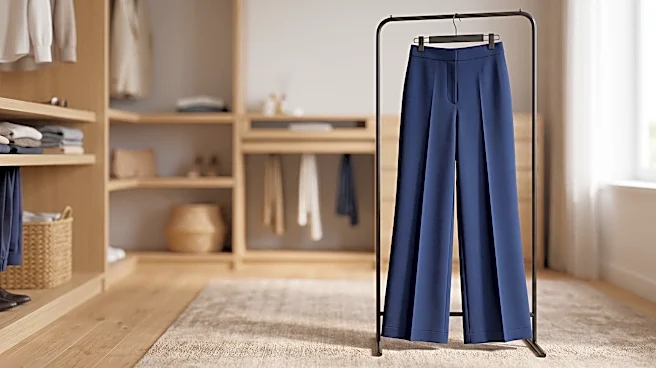
For decades, pleats were dismissed as old-fashioned, but they're back for one simple reason: they are incredibly practical. Pleats are small folds of fabric sewn into the front of the trousers, just below the waistband. Their function is to provide extra
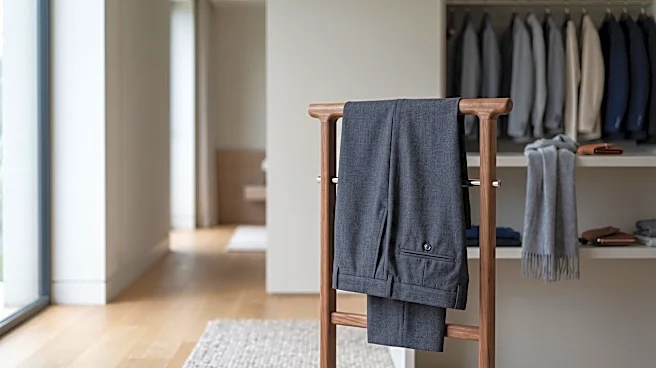
material that expands when you sit or move, offering more room through the hips and thighs. This built-in space is precisely what makes them a Thanksgiving hero. Unlike flat-front pants that can pull tightly across the lap when seated, pleated trousers allow for natural expansion. For anyone with athletic or larger thighs, they provide necessary space without having to size up the entire pant. Modern pleated pants are not the billowy 'dad pants' of the past; today's cuts are tailored and purposeful, offering a relaxed and confident silhouette.
Opt for a Higher Rise
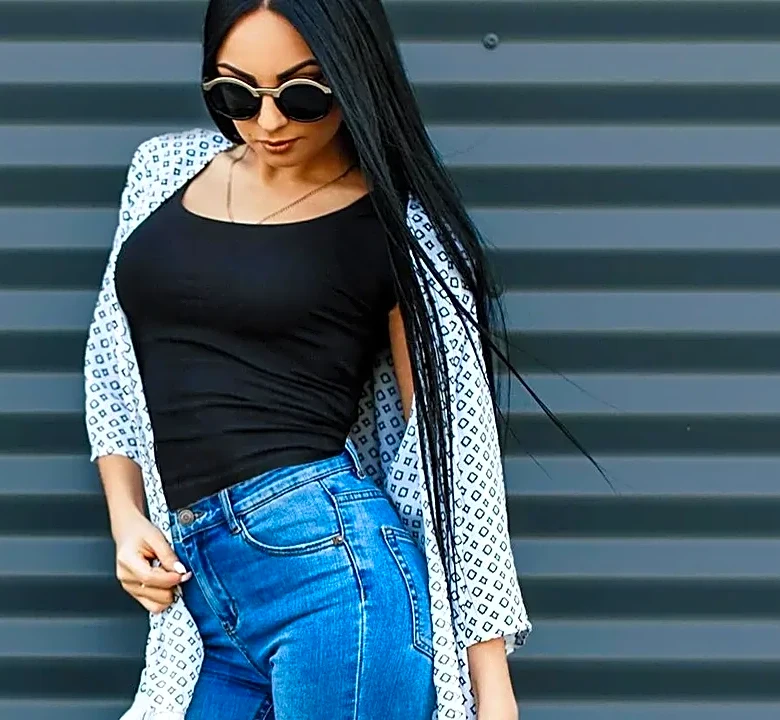
The rise of your trousers—the distance from the crotch seam to the top of the waistband—is critical for comfort, especially when sitting. High-rise trousers, which are designed to sit at your natural waist (typically around your navel), are far more comfortable for a long meal than their low-rise counterparts. When you sit, a lower-rise pant can dig into your stomach, while a higher waistband sits above the point of flexion, reducing pressure. This placement not only feels better but also creates a more flattering, elongated leg line. For maximum comfort, the waistband should be secure without being tight; if you have to cinch a belt aggressively to keep them up, it can defeat the purpose.
Look for a Relaxed or Straight Cut
Fit is just as important as any specific feature. While slim-fit pants have dominated menswear for years, a more relaxed or straight-leg cut is the key to non-stretch comfort. These silhouettes provide more room throughout the leg, from the thigh down to the ankle, preventing the fabric from constricting your every move. A relaxed fit doesn't have to mean baggy; a well-executed straight-leg trouser offers a clean, classic line that looks intentional and put-together. This cut is particularly forgiving after a large meal, as it doesn't cling to the body and allows for better air circulation.
Choose Fabrics with Natural Give
Even without elastane, some natural fibers have an inherent ability to move with you. This is often called 'mechanical stretch,' and it's created through the specific weave or natural properties of the yarn itself. Wool, for instance, has a natural crimp in its fibers that gives it a spring-like quality. Certain cottons, like high-twist or specially woven varieties, can also provide up to 18% stretch without any synthetic additives. Heavier, softer fabrics like corduroy, moleskin, or flannel also offer excellent comfort due to their texture and drape, feeling less rigid against the skin than a crisp, lightweight poplin. When shopping, feel the fabric and give it a slight pull to test for this subtle, natural flexibility.
Consider the Crotch Gusset
A feature once confined to climbing pants and high-performance activewear, the crotch gusset is a small, diamond-shaped piece of fabric sewn into the point where the leg seams meet. Its purpose is to reinforce this high-stress area and provide a greater range of motion. By eliminating the four-seam intersection, a gusset allows you to squat, bend, and sit without the fabric pulling or straining. While still more common in casual or workwear-inspired trousers, this detail is increasingly appearing in stylish everyday pants. It's an invisible upgrade that dramatically enhances comfort and durability, ensuring your trousers won't feel restrictive, no matter how much you move around.