








From Hunter to Hunted
The moment a team lifts a major trophy, their world shifts. For four years, they were contenders, part of a pack chasing a singular prize. Now, they are the prize. Every other nation is aiming for them. Opposing players and coaches treat a match against
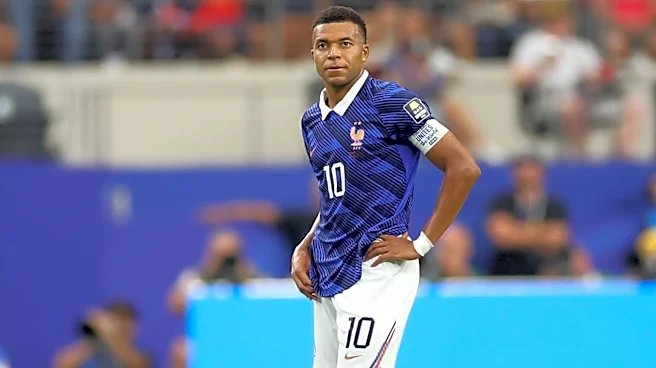
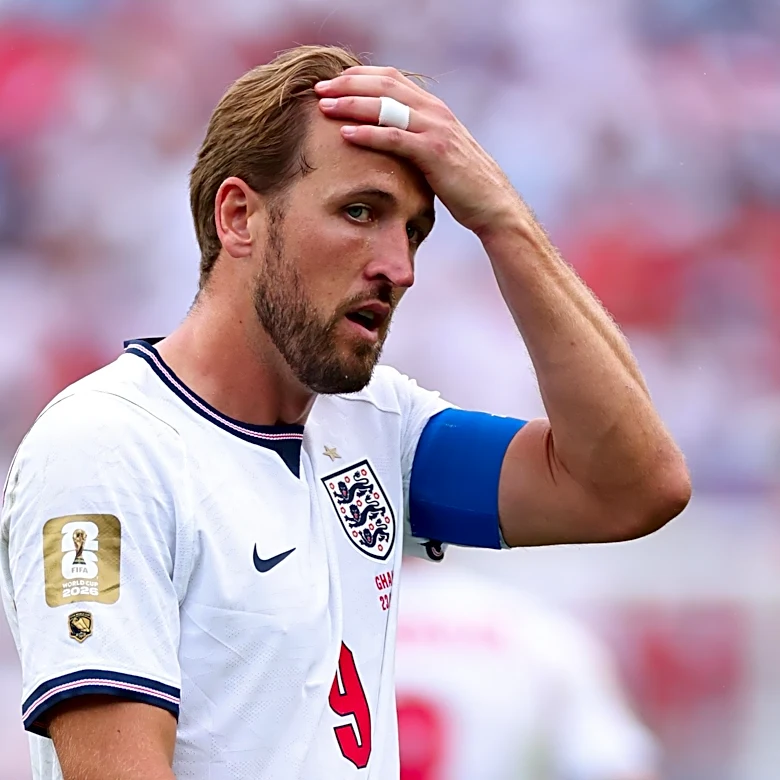
the champions as their own final, a chance to make a statement on the world's biggest stage. As England defender Marc Guehi said ahead of a hypothetical 2026 World Cup semi-final against defending champions Argentina, "The onus is on them. They're the world champions. They need to come out and defend their title. There's no pressure on us at all." This dynamic flips the psychological script. Instead of playing with the freedom of ambition, the champions play with the weight of protection. Every match becomes a high-stakes defense of their status, creating a level of sustained mental and physical attrition that contenders simply don't face over the course of a tournament.
Wrestling with Ghosts
History offers little comfort to defending champions. The “champion’s curse” is a well-documented phenomenon in modern World Cups. Since 1998, four of the last five champions have been eliminated in the group stage of the following tournament. France, after their 1998 triumph, crashed out in 2002 without scoring a single goal. Italy followed its 2006 victory with a last-place group finish in 2010. Spain's era of dominance ended with a group stage exit in 2014, and Germany’s 2014 title was followed by a shocking early departure in 2018. In fact, no nation has won back-to-back World Cups since Brazil did it in 1958 and 1962. This history creates an external narrative of inevitable decline that players and coaches must constantly fight against. The expectation is no longer just to win, but to defy a powerful historical trend that suggests they are destined to fail.
The Champion's Dilemma
Tactically, defending a title is a paradox. The formula that brought a team to the top has been studied, analyzed, and dissected by every potential opponent for four years. This leaves the coach with a crucial dilemma: stick with the winning strategy that is now predictable, or evolve and risk losing the chemistry and balance that made them champions? Squads also naturally change over a four-year cycle. Key players may age out of their prime, while others might be unbenchable due to their legacy even if their form has dipped. Integrating new, hungry talent without disrupting the core of a championship-winning side is one of the most delicate balancing acts in sports. As a result, many defending champions arrive at the next tournament with a team that is either too similar to the one everyone has figured out, or too different to recapture the original magic.
The Battle Against Complacency
Perhaps the most insidious pressure is the one that comes from within. How do you find the same desperate hunger that drove you to the summit once you're already there? Sports psychologists note that after reaching the absolute peak, motivation can be difficult to replicate. The drive to win is primal, but the drive to win again requires a different, more disciplined mindset. Players must consciously fight the subtle creep of complacency. The internal narrative can shift from an underdog's ambition to a champion's entitlement. While coaches and players will almost never admit to it, the raw, tooth-and-nail desperation that fuels a first-time champion is incredibly difficult to sustain. Maintaining that edge requires a rare form of mental resilience, the ability to manufacture motivation when the ultimate goal has already been achieved. It's a battle against human nature itself.