



A Visual Language of Controlled Chaos
From its very first moments, The Bear establishes a visual identity that owes more to the films of Martin Scorsese and Michael Mann than to traditional half-hour television. Creator Christopher Storer and cinematographer Andrew Wehde deploy a restless,
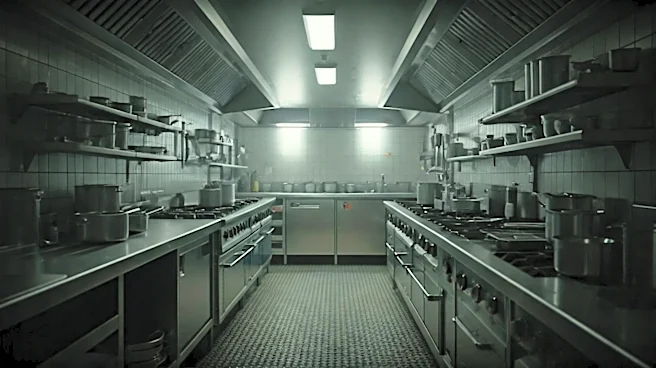
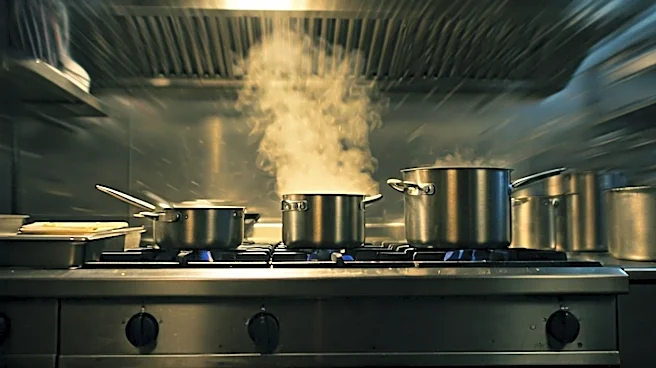
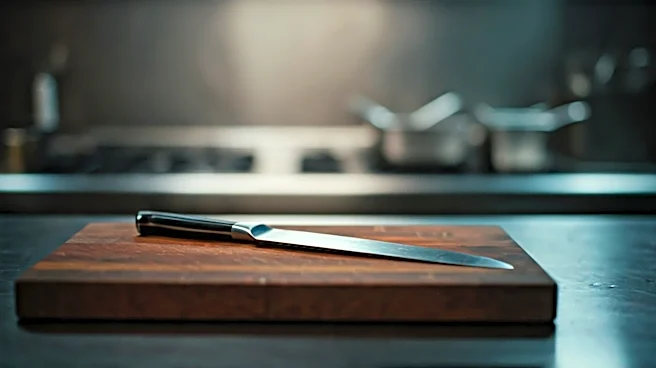
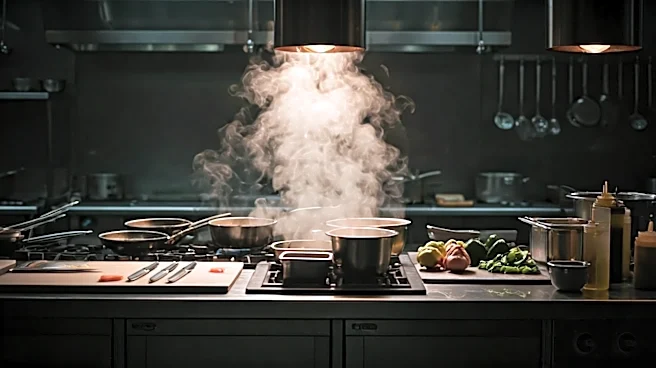
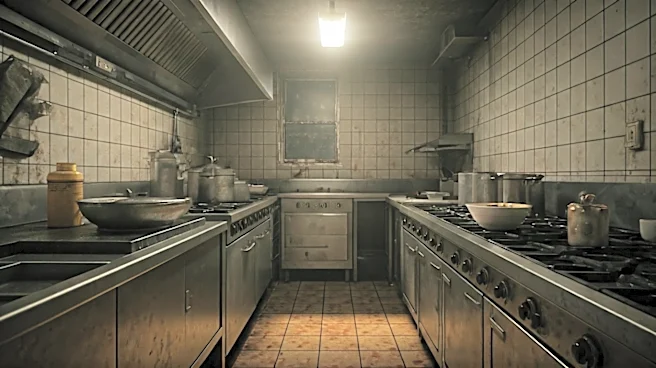
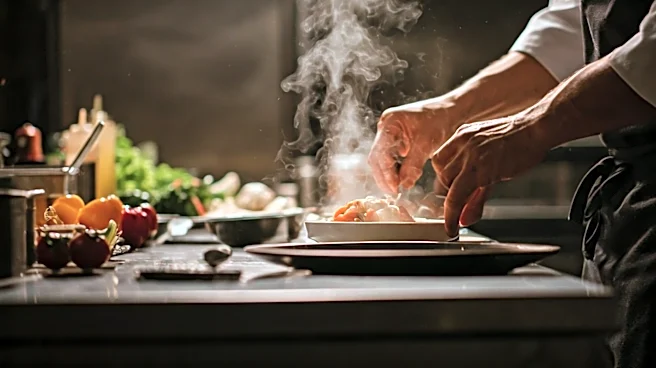
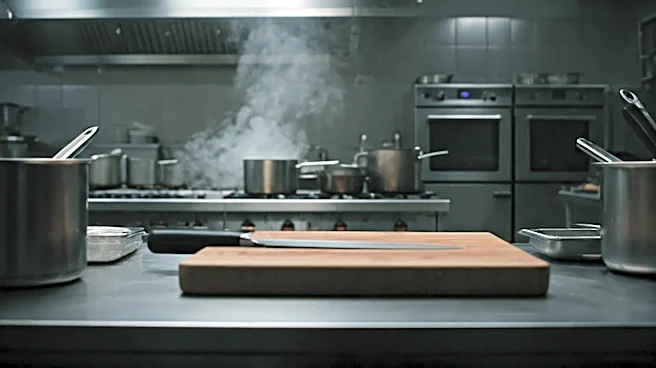
intimate camera that feels both observational and deeply personal. They favor long, uninterrupted takes that force the viewer to live inside the kitchen's claustrophobia, a technique used to stunning effect in high-stress episodes. These sequences contrast sharply with extreme close-ups on hands meticulously preparing food or on faces wrought with anxiety. This combination of frenetic movement and intense focus creates a visceral experience, making the kitchen’s pressure cooker environment feel palpable. Unlike the static, predictable shot-reverse-shot of many shows, The Bear's camera is a participant, weaving through cramped spaces and capturing the chaotic ballet of a high-functioning, high-stress team.
The Symphony of Anxiety
The show’s sound design is just as crucial to its cinematic feel. It’s a dense, layered cacophony of overlapping dialogue, clanging pans, and the incessant chatter of ticket printers. This isn't just background noise; it's a narrative tool used to build tension and immerse the audience in the characters' sensory overload. The sound team deliberately avoids cleaning up the audio to a perfect polish, a choice that reflects a commitment to realism. In fact, for the first season, the team used a remarkably low amount of additional dialogue recording (ADR), preserving the raw, in-the-moment energy of the performances. This dedication to authentic, often overwhelming soundscapes is a hallmark of immersive filmmaking. The abrupt shifts from the kitchen's roar to moments of stark quiet are jarring and powerful, a dynamic use of sound that serves the emotional arc of the story, not just the scene.
Character Is the Entire Plot
Perhaps the most significant way The Bear feels like an indie film is its unwavering focus on character over plot. While traditional TV often relies on external conflicts and weekly resolutions, this series is propelled by the internal journeys of Carmy, Sydney, Richie, and the rest of the crew. The story isn't about whether they'll pass a health inspection or win an award; it's about whether Carmy can outrun his trauma, whether Sydney can trust her own talent, and whether Richie can find a new sense of purpose. The narrative progresses in emotional leaps rather than a straight line. Entire episodes, like the celebrated "Forks," can feel like self-contained character studies, dedicating their runtime to a single person's breakthrough. This structure prioritizes psychological depth and gradual transformation over the mechanical churn of episodic storytelling, giving each season the feel of a long, richly developed movie.
Auteur-Driven Storytelling
Ultimately, the series feels so cinematic because it is the product of a singular vision. Christopher Storer, who created, writes, and directs many episodes, has a background that includes producing the acclaimed indie film Eighth Grade and directing comedy specials that redefined the genre's visual language. His influences are openly cinematic, and he has spoken about wanting to make something that felt immersive and tonally complex, shifting from funny to stressful to heartbreaking in an instant. This auteur-driven approach allows the show to take risks, evolving its visual style from season to season to mirror the characters' growth. In an era where many streaming shows feel committee-designed for mass appeal, The Bear stands out as a deeply personal, artistically ambitious project—one that just happens to be released in 30-minute increments.