
The Backlash Against the 'Instagram Face'
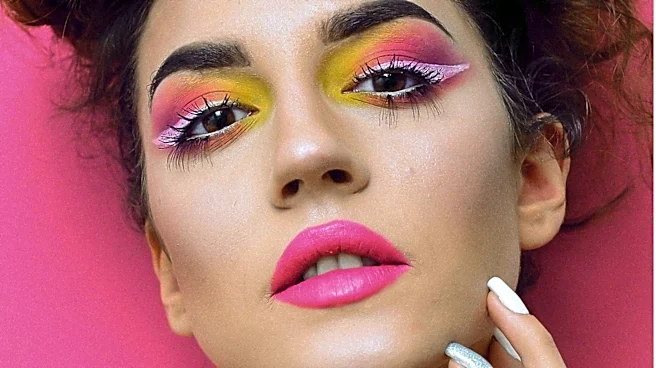
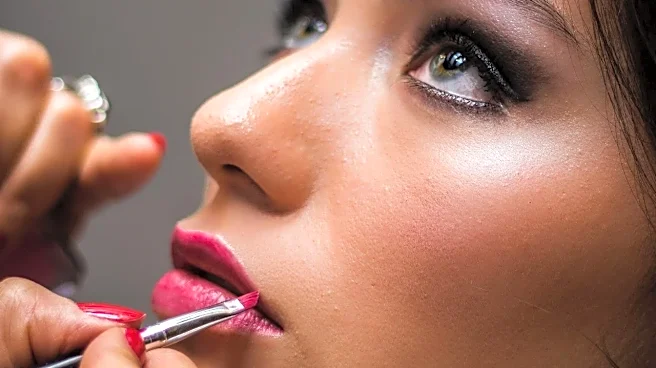
Remember the mid-2010s? Social media feeds were dominated by a specific aesthetic: sharply contoured cheekbones, heavy baking powder, and a matte finish so complete it looked like a digital rendering.
Dubbed the “Instagram Face,” this look was built on the idea of erasing every trace of natural skin—pores, lines, and blemishes were treated as flaws to be spackled over. But culture, like a pendulum, always swings back. After years of chasing an unattainable, filtered ideal, a collective burnout set in. The very perfection that was once aspirational started to feel artificial and detached. Plastic surgeons report a move away from requests for dramatic transformations, with more patients now wanting to look like a better version of themselves, not someone else entirely. Celebrities openly dissolving their facial fillers gave cultural permission for a more natural look, further fueling the decline of the hyper-polished aesthetic.
The Psychology of Imperfection and Trust
Our brains are wired to look for signals of honesty. It turns out that absolute perfection can be a red flag. Psychologists refer to this as the “Pratfall Effect,” where competent individuals who make small, relatable mistakes are perceived as more likable and trustworthy. A flawless presentation, whether in a business pitch or on a human face, can create suspicion and psychological distance. It feels too good to be true because, often, it is. This is related to the “uncanny valley,” a concept from robotics where a humanoid figure that is almost, but not quite, perfectly human triggers a sense of unease or revulsion. An overly filtered or spackled face can evoke a similar, subtle distrust. It lacks the small imperfections—the texture, the asymmetry, the signs of life—that our brains use as cues for authenticity. A little visible texture signals transparency, suggesting that nothing is being hidden.
How the Beauty Industry Is Responding
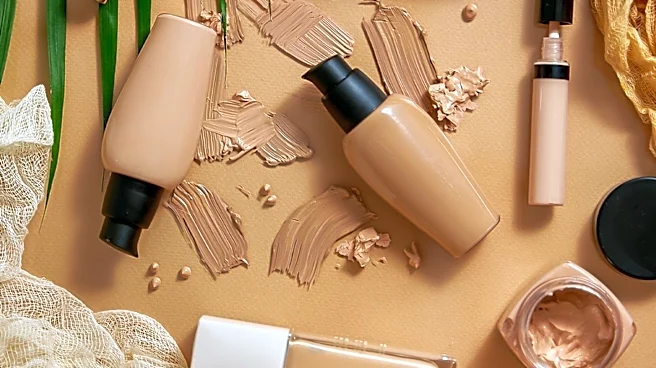
The beauty market, ever responsive to consumer demand, has pivoted hard. Heavy, full-coverage foundations are no longer the heroes of the makeup aisle. Instead, shelves are now filled with skin tints, tinted serums, and lightweight formulas designed to enhance, not conceal. The language has changed, too. We now hear about achieving a “blurred,” “satin,” or “suede” finish that softens imperfections without completely erasing them. This trend is part of the larger “skin positivity” movement, which advocates for embracing and caring for the skin you have, blemishes and all. Brands are increasingly featuring models with visible pores and un-retouched skin in their campaigns, reflecting a growing consumer demand for transparency and realism. This isn't just a marketing ploy; it's a reflection of a customer who reads ingredient labels, researches products, and trusts health over hiding.
Authenticity Is the New Aspirational Goal
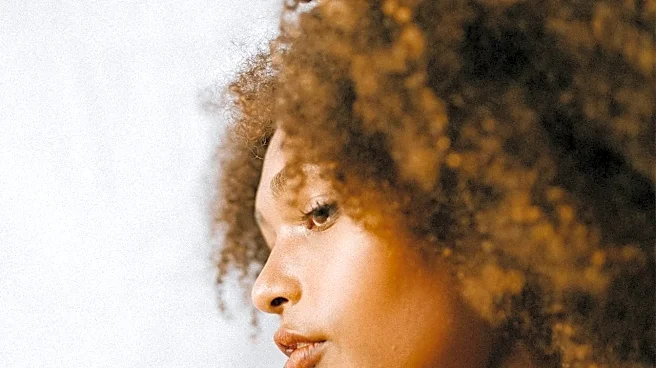
Ultimately, the shift from perfect coverage to visible texture is about more than just makeup. It’s a cultural re-evaluation of what we value. If the 2010s were about projecting an image of curated perfection, the 2020s are about the power of showing up as you are. Embracing your skin's natural state is an act of confidence. It communicates that your self-worth isn't tied to concealing what society once deemed “flaws.” In a world saturated with AI-generated perfection and digital alterations, realness has become the ultimate currency. Showing a little skin texture is a small but powerful way of signaling humanity, vulnerability, and, by extension, trustworthiness. It says you are comfortable enough in your own skin to let it be seen, and that authenticity is more beautiful than any filter.