



It’s a Signal, Not Just Fabric
First, let’s get one thing straight. Wearing a scarf well has very little to do with being a “fashion guy” and everything to do with mastering a subtle signal. In a world of hoodies, jeans, and basic jackets, a well-chosen scarf communicates intention.
It says, “I thought about this.” It’s the difference between just putting on clothes to cover your body and actively getting dressed. A fashion editor knows this power. They understand that a simple accessory can reframe an entire outfit, turning a generic peacoat into a look and a simple sweater into a statement. For the casual guy, this isn’t about peacocking; it’s about deploying a tool that makes everything else you’re wearing look more considered and more expensive, even if it’s not.
The Confidence of a Finishing Touch
Think about the confidence you feel after a fresh haircut or when you put on a brand-new pair of sneakers. You walk a little taller. That’s the power of a finishing touch. A scarf is the ultimate finishing touch for the colder half of the year. It adds a layer of visual interest, color, and texture right near your face, where people are looking. It frames your jawline and draws attention upward. When you know you’ve nailed this one small detail, it has a ripple effect on your entire demeanor. You’re not just warmer; you feel more put-together, more capable, and more in control. It’s a low-effort, high-reward move that quietly broadcasts competence and self-assurance before you’ve even said a word.
The Three Essential Ties (No Sailor Knots)
The secret is that you don’t need to know twenty complicated knots. You only need two or three simple, versatile options that work for almost any situation. Forget the intricate, fussy stuff you see on runways. A fashion editor’s real skill is knowing the right tool for the job. Here are the only ones you’ll ever really need: 1. The Effortless Drape: This is the easiest move in the book. Don’t tie anything. Just drape the scarf around your neck, letting it hang evenly on both sides. It works best with a blazer, sport coat, or a topcoat that you’re wearing open. It’s not for arctic temps, but for a cool fall day, it adds a dash of color and nonchalant elegance without trying too hard. 2. The Parisian Knot (or Loop): This is your workhorse. Fold the scarf in half lengthwise, drape it around your neck, and pull the two loose ends through the loop you created. Cinch it up as loose or as tight as you need for warmth and style. It’s clean, classic, and secure. It looks great with everything from a bomber jacket to a full-on overcoat. If you learn one tie, make it this one. 3. The Once-Around: Simple, functional, and timeless. Drape the scarf around your neck with one end significantly longer than the other. Take the long end and wrap it once around your neck, letting it fall back to the front. You can leave the ends uneven for a more casual feel or adjust them to be level. It provides good warmth and a relaxed vibe that’s perfect for weekend wear.
Choosing Your Weapon
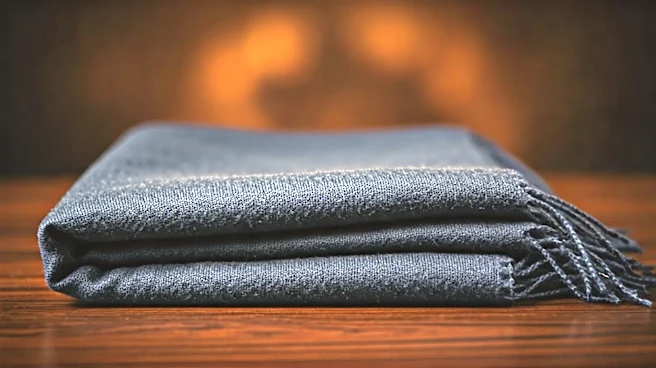
Your success here depends on having the right scarf. You wouldn't bring a butter knife to a sword fight. Avoid anything super thin, shiny, or so bulky it looks like you’re wearing a neck brace. For your first go-to, think about materials and patterns. A medium-weight wool or cashmere-blend scarf in a classic, neutral color like charcoal, navy, or camel will work with almost everything in your closet. These are the blue jeans of scarves—they just work. If you want a pattern, you can’t go wrong with a traditional plaid or a simple herringbone. The key is to pick something that complements your coats, not clashes with them. Start simple and build from there.