






The Initial Shock and Its Aftermath
A tournament is a story, and the opening chapter sets the tone. A commanding win creates belief. A draw is a steady, if unspectacular, start. But a loss? A loss introduces immediate doubt. Mathematically, a team is instantly on the back foot, knowing
another misstep could mean an early flight home. Psychologically, the effects can be even more corrosive. The pressure intensifies, media scrutiny skyrockets, and the squad's hotel can suddenly feel like a bunker. Plans are questioned, tactics are debated, and the relaxed confidence that is crucial for elite performance can evaporate before the second match even kicks off. It forces a team to play knockout soccer from day two, a draining and nerve-shredding proposition.
The Cautionary Tale: Spain, 2014
For a perfect example of a campaign poisoned from the start, look no further than Spain at the 2014 World Cup in Brazil. The reigning world and European champions arrived as heavy favorites, a dynasty in full force. Their opening match was a rematch of the 2010 final against the Netherlands. After taking a 1-0 lead, the Spanish machine fell apart in spectacular fashion, ultimately losing 5-1. It wasn't just a defeat; it was a humiliation. The aura of invincibility that had surrounded the team for six years was shattered in 90 minutes. The Dutch rout exposed an aging core and a tactical system that opponents had finally figured out. The shock was so profound that Spain never recovered, losing their next match 2-0 to Chile and meekly exiting the tournament at the group stage. The poison from that first game paralyzed them completely.
The Wounded Survivor: Argentina, 1990
Sometimes, a team survives the initial shock but is forever scarred. In 1990, Diego Maradona's Argentina were the defending champions and opened the tournament against a massive underdog, Cameroon. In one of the greatest upsets in World Cup history, Cameroon won 1-0 in a brutally physical match that saw them finish with nine men. Argentina, stunned and humbled, scraped through the group stage as a third-place team. That opening loss forced them into a grittier, more defensive-minded unit. They abandoned their swagger for pure pragmatism, winning ugly knockout games, often via penalty shootouts. They made it all the way to the final, a testament to their resilience, but they were a shadow of the team they were supposed to be. The poison of that opening defeat didn't kill them, but it fundamentally altered their identity and ultimately left them with too little in the tank to beat West Germany in the final.
The Ultimate Antidote: Redemption
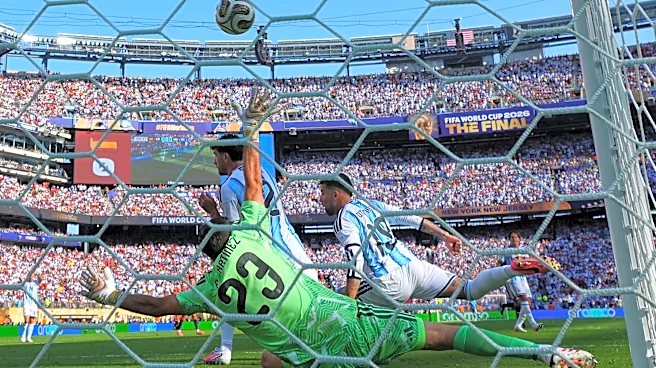
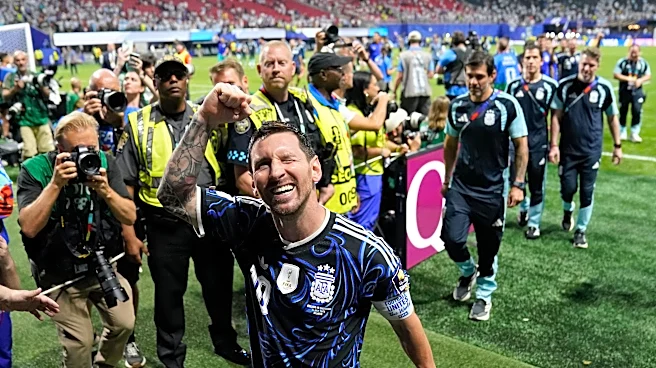
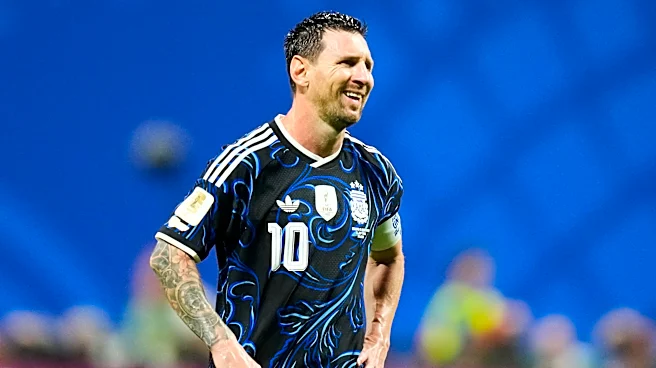
Losing the first game isn’t always a death sentence. In fact, only two teams in men's World Cup history have lost their opener and gone on to lift the trophy. The first was Spain in 2010. Tipped as favorites, they were shocked 1-0 by Switzerland in their first match. The loss served as a vital wake-up call. From that point on, they were flawless, winning every single knockout game 1-0 en route to the title. More recently, Argentina's 2022 World Cup run began with a monumental 2-1 upset loss to Saudi Arabia, a result that ended a 36-match unbeaten streak. The defeat put Lionel Messi's quest for the one trophy that had eluded him in immediate jeopardy. But instead of collapsing, the team forged an unbreakable spirit. The loss stripped them of their favorites tag, unified the squad, and forced them to treat every subsequent game as a do-or-die final. It turned out not to be poison, but the perfect antidote to complacency.