




The Anatomy of an Illusion
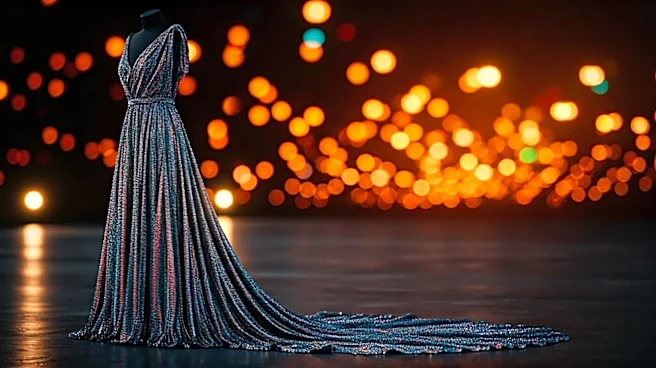
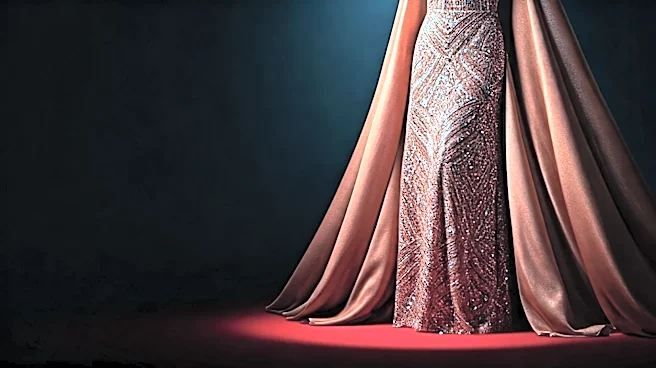
At first glance, the “naked dress” appears to rely on magic. In reality, it’s a triumph of material science and meticulous craftsmanship. The secret is a high-quality, ultra-fine mesh or tulle fabric dyed to perfectly match the wearer's skin tone. [11]
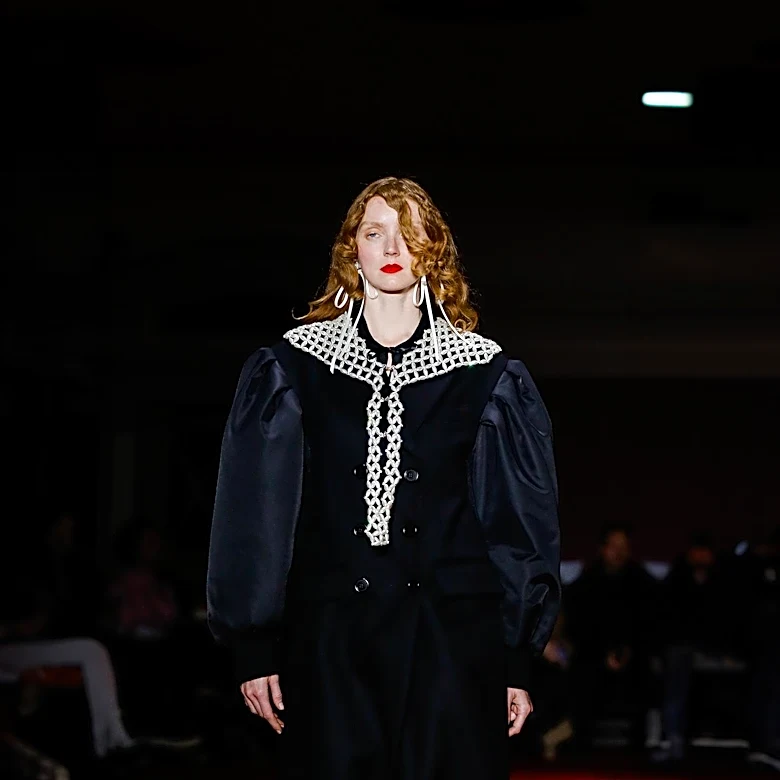
This nearly invisible base acts as a canvas. Designers then strategically sew or glue embellishments—like lace, beads, or crystals—onto the mesh. [12] The result is a garment that seems to hover on the body, providing coverage and structure while creating the powerful illusion of nudity. [11] Unlike a simply sheer or unlined garment, which is just transparent fabric, an illusion dress is a specific construction designed to trick the eye, blending the line between clothing and skin. [11] Getting it right is an art: if the mesh color is even slightly off, the entire illusion shatters, especially under the glare of red carpet flashbulbs.
From Scandalous to Sophisticated
The illusion dress is hardly a new concept, but its meaning has evolved dramatically. The lineage traces back to performers like Josephine Baker in the 1920s and screen sirens of the '30s. [4, 6] However, the modern obsession began when Marilyn Monroe sang "Happy Birthday, Mr. President" in 1962, sewn into a sparkling Jean Louis gown that appeared painted on. [5, 6] That moment cemented the dress as an act of seductive rebellion. Cher took the concept further in the '70s with her iconic, feather and crystal-adorned Bob Mackie creations for the Met Gala. [1, 4] For decades, the look remained on the fringes, a shocking choice guaranteed to generate headlines. But in the 2010s, stars like Rihanna, Beyoncé, and Jennifer Lopez began reclaiming it, transforming it from a mere provocation into a symbol of confidence and bodily autonomy. [1, 4]
A Statement in Sheer
Today’s illusion gown is more than just a red carpet stunt; it’s a cultural statement. In the wake of social media and movements centered on body positivity, choosing to wear a sheer garment is often seen as an act of empowerment. [3, 10] It’s a way for women to celebrate their forms and reject outdated standards of modesty, a non-verbal message that they will not be controlled or silenced. [3] The trend represents a form of self-expression and ownership over one's own body. [2, 7] As designers like Casey Cadwaller for Mugler have made illusion construction a brand signature, the technique has been elevated. [10] It is now recognized not just for its daring nature, but for the incredible skill required to make it work. It's a fusion of art and engineering, where the body is part of the composition.
The Tech Behind the Transparency
What separates a modern illusion dress from its predecessors is technology. Contemporary designers often use 3D body scanning to create a perfect pattern, ensuring the mesh base fits like a second skin without wrinkling or bunching. The placement of appliqués is frequently mapped with computer-aided design (CAD) software before a single stitch is made, allowing for precise, gravity-defying arrangements that flatter the body's natural lines. The materials themselves have also advanced. Stretch-infused mesh allows for movement and comfort previously unimaginable in such form-fitting garments. [14] This technical precision elevates the illusion dress from a simple sheer overlay to a piece of wearable architecture, a testament to just how far garment construction has come.