

The Anatomy of a Perfect Curtain Bang
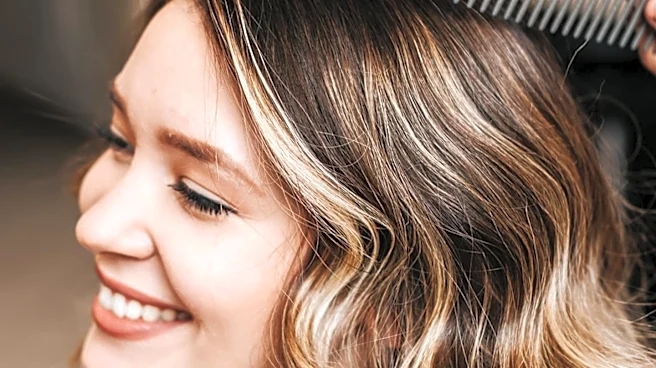
Before you can get them right, it helps to know what they are. Unlike blunt bangs that create a hard, horizontal line, curtain bangs are all about softness and flow. They are typically cut shorter in the center, near the bridge of the nose, and gradually
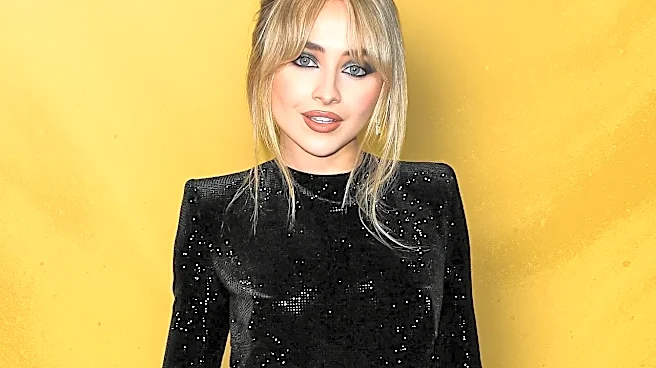
get longer as they sweep outward toward the cheekbones or even the jawline. The name itself offers the best visual: they part in the middle (or just off-center) to frame your face like a pair of gently pulled-back curtains. The goal is a seamless, lived-in feel that adds movement and draws attention to your eyes and cheekbones without the high maintenance of a traditional fringe.
It’s All About the Blend
The single most important element of curtain bangs “done right” is the blend. A great stylist ensures the fringe doesn't look like a separate, disconnected haircut. Instead, it should taper seamlessly into the rest of your hair's layers. This soft transition is what makes the style so versatile and forgiving as it grows out. Icons of the style, from '70s stars like Farrah Fawcett to modern trendsetters like Dakota Johnson, all share this common trait: you can't tell where the bangs end and the face-framing layers begin. Ask your stylist for feathered or point-cut ends to avoid a blunt, heavy finish and ensure the bangs feel light and airy.
Tailored to Your Face Shape
While universally flattering, the most successful curtain bangs are customized to a specific face shape. For round faces, longer curtain bangs that fall below the cheekbones can create an elongating effect. Square faces benefit from soft, wispy bangs that soften a strong jawline. Heart-shaped faces are balanced by a fringe that draws attention away from a wider forehead, often with swoopy bangs that end just below the brow. And for those with oval faces, nearly any length or style of curtain bang will work, so the choice comes down to personal preference. The key is adjusting the length and angle to highlight your best features.
Embracing Every Hair Texture
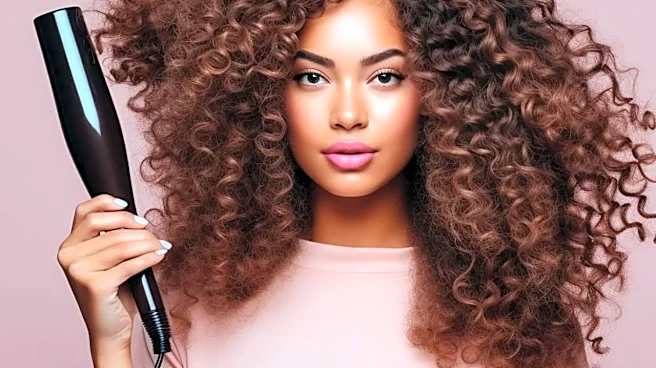
Curtain bangs aren’t just for straight or wavy hair. In fact, they can look stunning on curls, adding shape and dimension. For curly textures, the secret is the cut. A stylist experienced with curls will almost always cut them dry to account for shrinkage and trim curl-by-curl rather than straight across. On curly hair, the bangs should be cut longer than the desired final length and designed to blend into the natural curl pattern, creating soft movement around the face. For those with fine, straight hair, wispy, feathered bangs prevent the style from looking too heavy, while thick hair can handle a denser, more layered fringe.
The Secret to Daily Styling
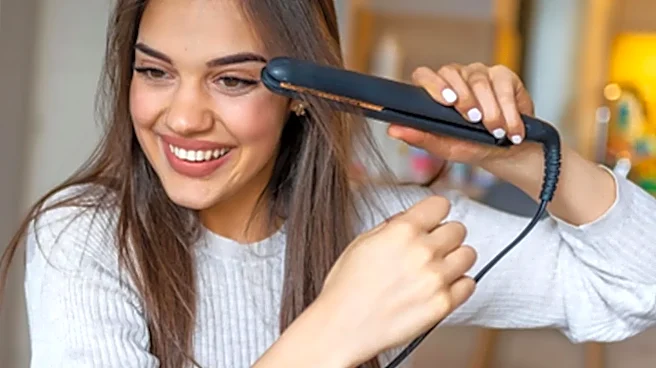
While considered lower maintenance than blunt bangs, curtain bangs are not zero-effort. Luckily, styling them correctly only takes a few minutes. The most common technique involves a blow dryer and a medium round brush. After applying a heat protectant, wrap the bangs around the brush and blow-dry them away from your face, giving them a slight twist at the ends to create that signature outward sweep. For a quick touch-up, a curling iron or flat iron can also be used to bend the ends away from the face. The goal is to give them lift and direction so they don't just hang flat.