



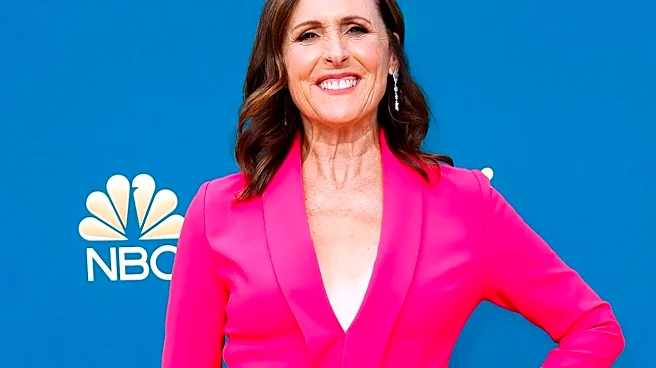
From Red Carpet to In-Show Obsession
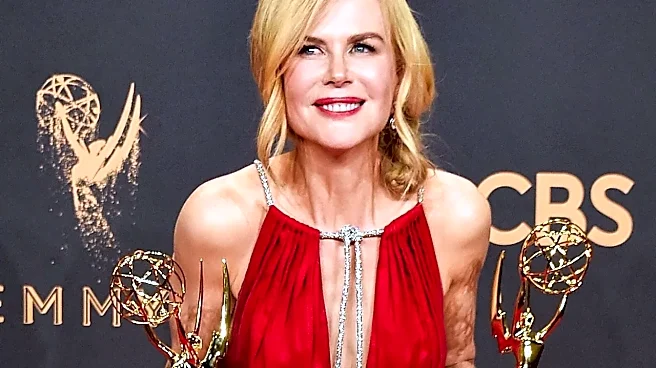
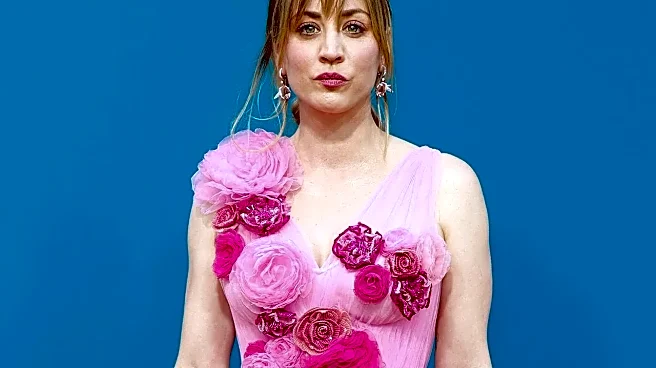
The annual parade of stars on the Emmys red carpet has long been a standalone event, a spectacle of glamour and designer prestige. But something fundamental has changed. While the arrivals still generate buzz, the deeper, more sustained fashion conversation
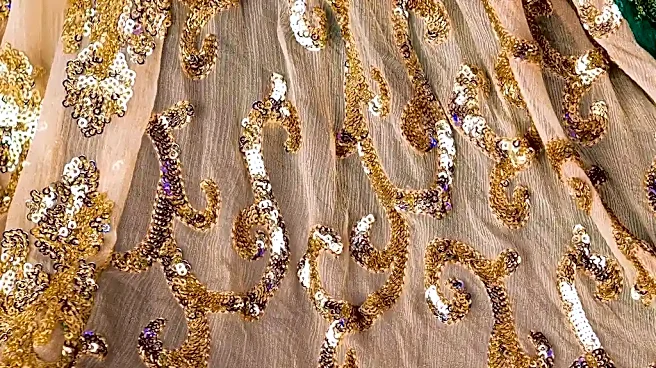
has moved inside the shows themselves. Weeks before the ceremony, fans, critics, and fashion enthusiasts are dissecting the intricate costume work that defines the year's most acclaimed television. The focus has expanded from 'Who are you wearing tonight?' to 'What has this character been wearing all season, and why?' It marks a sophisticated shift, where costume design is finally getting its due as a central pillar of storytelling, not just as decorative window dressing.
The Nominees Fueling the Trend
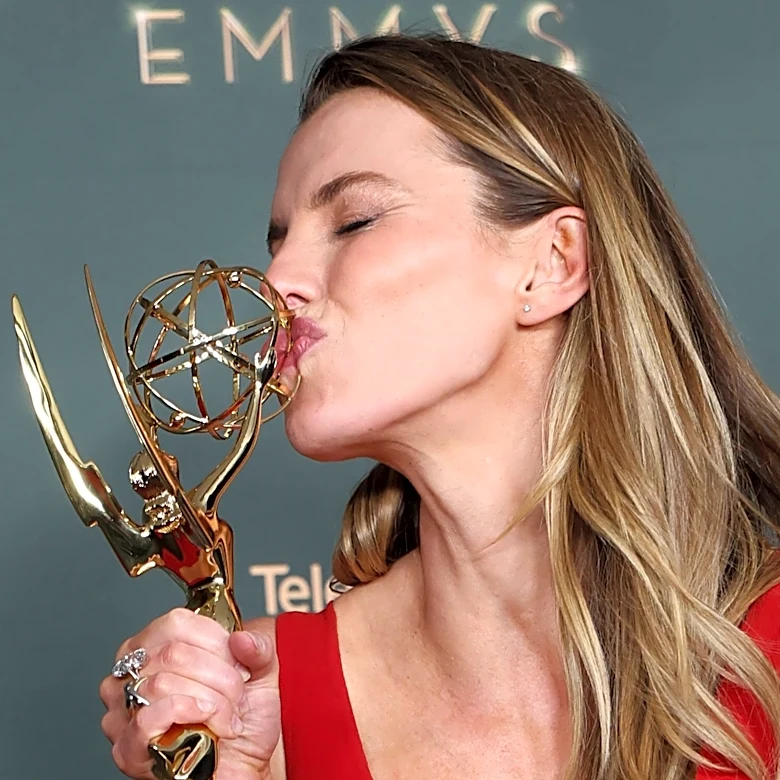
This year's Emmy nominations for costume design tell the whole story. The Creative Arts Emmys, which honor artistic and technical achievement, are packed with shows that have built entire aesthetic worlds. In the Outstanding Period Costumes category, behemoths like Netflix's 'Bridgerton' and HBO's 'The Gilded Age' continue to dominate, with their lavish, historically inspired wardrobes driving trends far beyond the screen. But it's not just about the past. The Outstanding Fantasy/Sci-Fi Costumes category features shows like Prime Video's 'Fallout,' which masterfully translated a video game's post-apocalyptic vibe into tangible, gritty apparel, and FX's 'Alien: Earth,' which faced the challenge of evolving a legendary cinematic look for television. Meanwhile, in the contemporary field, series like 'Hacks' and 'Emily in Paris' use fashion to define character with surgical precision, proving that even modern stories rely heavily on curated style to make their point.
Why the Focus Shifted
Several forces are behind this evolution. First, the streaming era's massive budgets have allowed for unprecedented world-building. Shows are no longer just shows; they are immersive universes, and costumes are a critical part of that construction. Second, social media has transformed viewers from passive consumers into active curators. Platforms like Instagram and TikTok are flooded with screen-grabs, fan edits, and deep-dive analyses of specific outfits moments after an episode airs. This creates a season-long dialogue that a single red-carpet event can't compete with. Finally, there’s a growing appreciation for the craft itself. Audiences have become more savvy about the role a costume designer plays in character development, realizing that a jacket, a dress, or a uniform can communicate more about a character's inner life than a page of dialogue.
The Designer as the New Star
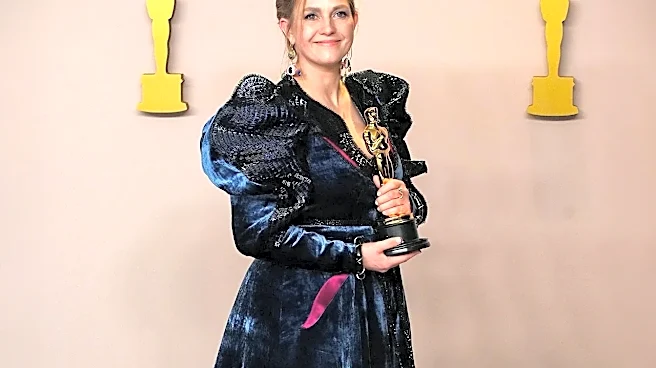
As a result, costume designers are stepping into the spotlight as never before. Figures like 'Bridgerton's' John Walter Glaser III or 'The Gilded Age's' Kasia Walicka Maimone are becoming recognizable names with their own followings. They are profiled in fashion magazines, participate in panels, and engage directly with fans on social media, explaining the historical research and creative choices behind their work. This elevation is crucial. It reframes them from behind-the-scenes artisans to essential creative leads whose vision is as vital to a show's success as that of its writers or directors. Their work doesn't just support the story; it becomes a primary way for audiences to connect with it, creating a new and powerful link between television and the world of fashion.