




A Movie About Everything (and Nothing)
When Woody Allen and his co-writer Marshall Brickman first scripted the film, it wasn't a romantic comedy. It was a sprawling, surreal, stream-of-consciousness journey through the mind of a neurotic comedian. Its original title was 'Anhedonia,' a clinical
term for the inability to experience pleasure. The script was a mosaic of childhood flashbacks, fantasy sequences, philosophical musings, and, most surprisingly, a murder mystery subplot. The central romance between Alvy Singer and Annie Hall was just one of many threads in a much larger, more abstract tapestry. The initial cut was a mess, clocking in at nearly two and a half hours and leaving even its creators feeling lost. As Brickman later recalled, it felt like a first draft of which several different movies could be made. The film wasn't just in limbo; it was on life support.
The Murder Mystery That Wasn't
The original plot had a much darker, more convoluted core. In early drafts, after Alvy and Annie argue outside a movie theater (a scene that remains in the final film), they were to discover a murder. This would have spun the story in a completely different direction, turning it into an amateur detective farce. The concept was eventually abandoned during the writing process, with Allen and Brickman deciding the idea wasn't worth the logistical hassle of a period piece it was briefly imagined as. Yet, the remnants of this mystery lingered in the enormous amount of footage Allen shot. The sprawling first cut included everything from a trip to hell to a basketball game with famous philosophers. The project was so unfocused that the studio, United Artists, was baffled. They famously disliked the title 'Anhedonia,' worrying it was unmarketable.
Finding the Heart in the Editing Room
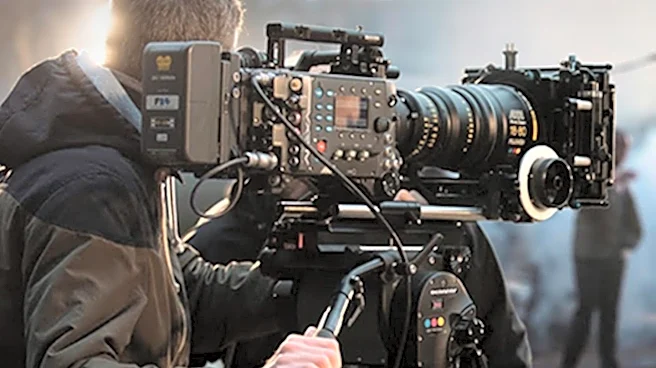
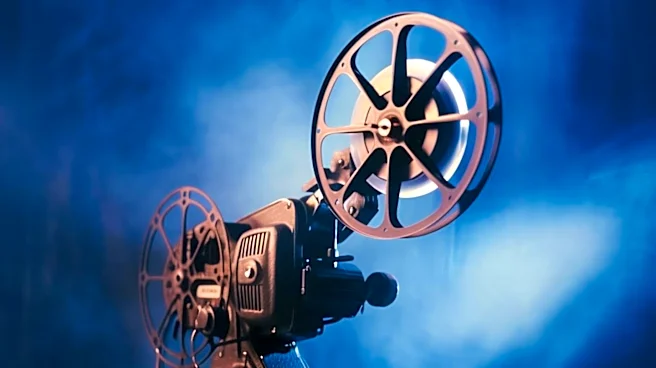
The film was saved not on the page, but on the cutting room floor. Allen and his editor, Ralph Rosenblum, stared down more than 100,000 feet of footage, trying to find a coherent story. Rosenblum's initial assembly was a disaster in the eyes of Allen and Brickman. But through that process, they made a critical discovery: the only part of the movie that truly worked, the thread that held everything together, was the relationship between Alvy and Annie. Rosenblum noted that the film finally came alive about 20 minutes in, when Diane Keaton appeared on screen. Recognizing this, they made a radical decision. They began aggressively restructuring the entire film, cutting away huge swaths of the surreal subplots and philosophical tangents to focus squarely on the love story. This wasn't just editing; it was a complete reinvention.
The Birth of a Classic
What emerged from this brutal editing process was the tight, 93-minute masterpiece that would go on to win Best Picture. The non-linear structure, the flashbacks, and the fourth-wall breaks—initially part of a chaotic stream-of-consciousness experiment—were repurposed to tell the story of a relationship's beginning, middle, and end. The movie's famous opening monologue and its poignant closing joke about needing the eggs were put in place late in the process to frame the new narrative. Even Allen seemed surprised by the result, later admitting the film he ended up with was not the one he set out to make. He felt the final product was a compromise, a shadow of his sprawling experimental vision. But in that perceived failure, he accidentally created one of the most honest, innovative, and enduring romantic comedies in cinema history.