


The Surprisingly Quiet Set
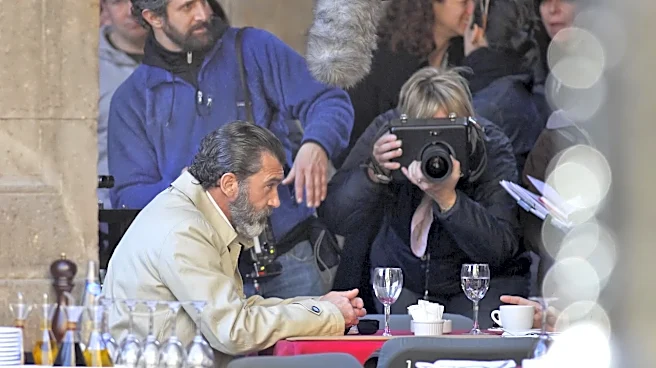
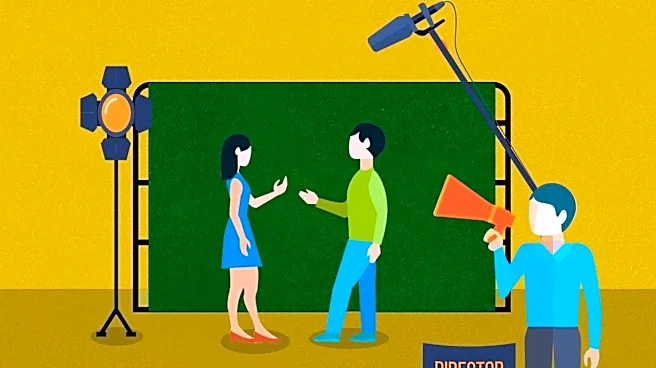
The first thing to understand is that a film set is not a real party. While filming, the primary goal of the production sound team is to capture the actors' dialogue as cleanly as possible. This means all those background extras you see laughing and chatting
are often just silently pantomiming their conversations. Any actual background noise—music, real chatter, clinking glasses—would bleed into the main dialogue tracks, making them muddy and difficult to edit. So, to build that party atmosphere, sound designers have to start from an almost completely blank, and quiet, canvas.
Building the Murmur with 'Walla'
The foundation of any crowd sound is a specialized audio effect known as 'walla'. The term originated in old-time radio, when producers discovered that having a few people repeat the word 'walla, walla, walla' created a convincing, indistinct murmur. Today, the technique is more sophisticated. Sound studios hire 'loop groups' or 'walla groups'—small ensembles of voice actors—to improvise conversations appropriate for the scene. For a Christmas party, they might chat about holiday plans or gift ideas. These recordings are layered multiple times, with each layer treated differently in the mix to build the density and texture of a large, anonymous crowd. The goal isn't for you to hear any specific words, but to feel the collective, human energy in the room.
The Specifics of Foley
While walla provides the general hum, the scene's realism comes from specific, synchronized sound effects created by Foley artists. Named after sound pioneer Jack Foley, this is the art of performing sounds in sync with the picture. For our Christmas party, this is where the magic happens. A Foley artist will watch the scene and meticulously add the sounds the on-set recording missed: the clink of a champagne flute, the specific crinkle of someone unwrapping a gift, the sound of footsteps on a hardwood floor, or the rustle of a party dress. These sounds are what give the scene its texture and believability, making the environment feel tangible and lived-in. Without Foley, the action would feel weightless and strangely sterile.
The Art of the Final Mix
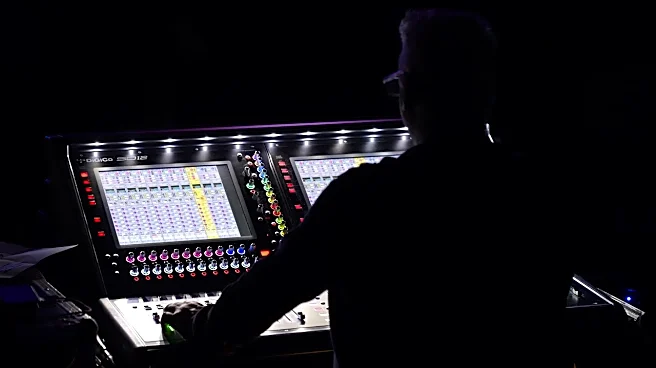
The re-recording mixer is the final artist, the one who takes all these disparate elements—the clean dialogue, the layered walla, the specific Foley sounds, and the festive music—and blends them into a cohesive whole. This isn't just a matter of setting volume levels. The mixer's job is to guide your ear. Using techniques like equalization (EQ) and panning, they carve out sonic space for the main dialogue, ensuring it remains clear and intelligible even when the party is in full swing. They might subtly raise the level of a key sound effect, like a popping cork, to punctuate a moment, or dip the music and crowd noise when two characters share an intimate conversation. It's a delicate dance of prioritizing information while maintaining the immersive illusion of a bustling, joyful celebration.