



The First Line of Defense: Your Underwear Drawer
Before you invest in new underpinnings, the simplest solution might already be in your drawer. The right pair of underwear can solve many minor skirt issues. For thin or clingy fabrics like silk, satin, or jersey, seamless underwear is your best friend.
These styles are designed to eliminate visible panty lines (VPL), creating a smooth silhouette. Thongs are a popular choice for this reason, offering minimal coverage to prevent lines under tight skirts. For skirts that are short or have a lot of movement, you might feel more secure in a pair with more coverage, like boyshorts or briefs. These can provide peace of mind on a windy day or when sitting down. When dealing with light-colored or semi-sheer fabrics, color is key. Opt for underwear that closely matches your skin tone. A nude-to-you shade will be far less visible under a white or pastel skirt than white underwear would be.
The Sheerness Test: When Underwear Isn’t Enough
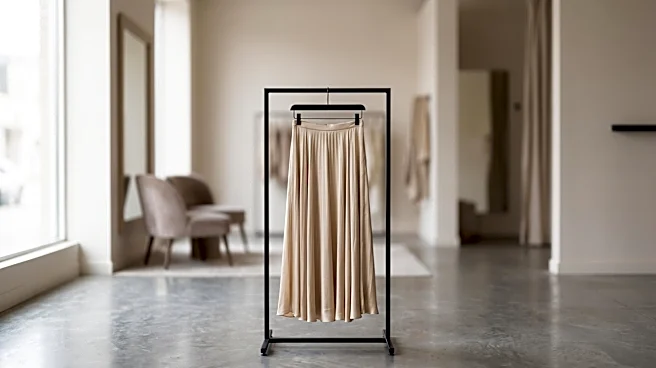
Sometimes, even the most discreet underwear can't handle a truly sheer skirt. This is where a slip or lining becomes essential. The primary job of a slip is to add a layer of opacity. To test your skirt, don't just hold it up in your bedroom. Natural daylight is the ultimate truth-teller. Stand in front of a bright window or step outside to see exactly what is visible. Backlighting is often the biggest culprit, revealing the silhouette of your legs through the fabric. A slip acts as a barrier, diffusing the light and preventing this see-through effect. This is especially crucial for professional environments or formal occasions where modesty is a priority. Lightweight fabrics like chiffon, organza, georgette, and some cottons are common culprits that almost always require an extra layer for adequate coverage.
The Cling Factor: Solving Static and Drape Issues
A skirt's fabric can cause issues beyond sheerness. Have you ever had a skirt that bunches up, twists around your legs, or clings uncomfortably to your tights? This is often due to static electricity or the texture of the fabric. A slip provides a smooth, anti-static surface that allows the outer garment to glide and hang properly. This is particularly helpful for materials like wool, which can be itchy, or synthetics that are prone to static. The slip takes the friction, not your skirt, so you're not constantly adjusting it throughout the day. Furthermore, a slip can provide a smoother overall line, skimming over your body and preventing the skirt fabric from catching on curves or other undergarments.
The Anatomy of a Slip: Choosing the Right Style
Slips are not a one-size-fits-all solution. The most common type for skirts is the half slip, which starts at the waist. They come in various lengths, and the rule of thumb is to choose one that is at least an inch or two shorter than your skirt's hemline to ensure it doesn't peek out when you sit or move. For a dress, a full slip that hangs from the shoulders may be a better option to create a seamless line from top to bottom. The slip's shape should also be less full than the skirt to prevent bunching. An A-line slip works well for a flared skirt, while a straight or pencil slip is better for more fitted styles. Common materials include nylon, polyester, silk, and cotton, with anti-static finishes being a key feature to look for.
The Built-In Solution: Understanding Linings
A lining is essentially a slip that's already sewn into the garment. Its purpose is much the same: to provide opacity, improve comfort against rough fabrics like tweed or sequins, prevent clinging, and help the skirt hang beautifully. A well-lined skirt often eliminates the need for a separate slip. Linings can be made from various materials, such as polyester, silk, or cotton lawn. A cotton lining is breathable and great for summer, while a silky polyester lining helps a winter skirt slide easily over tights. If your skirt is already lined, you likely don't need to add another layer unless the lining itself is too sheer or you want an extra layer of warmth or smoothing.