



More Than Just a Day at the Races
First, let’s get one thing straight for the American audience: Royal Ascot is not just a fancy horse race. It’s a centuries-old British institution with the Royal Family at its heart. Founded by Queen Anne in 1711, the event is steeped in tradition, and
its connection to the monarchy makes it one of the most prestigious dates on the social calendar. Each day begins with the Royal Procession, where the King and Queen arrive in a horse-drawn carriage. This regal stamp of approval elevates the entire affair from a sporting event to a cultural pageant, and with that prestige comes a notoriously exacting dress code. Attendees are segmented into different 'enclosures,' or viewing areas, with the Royal Enclosure being the most exclusive and its rules the most stringent. Getting an invitation is one thing; getting the outfit right is the real challenge.
The Anatomy of a Strict Dress Code
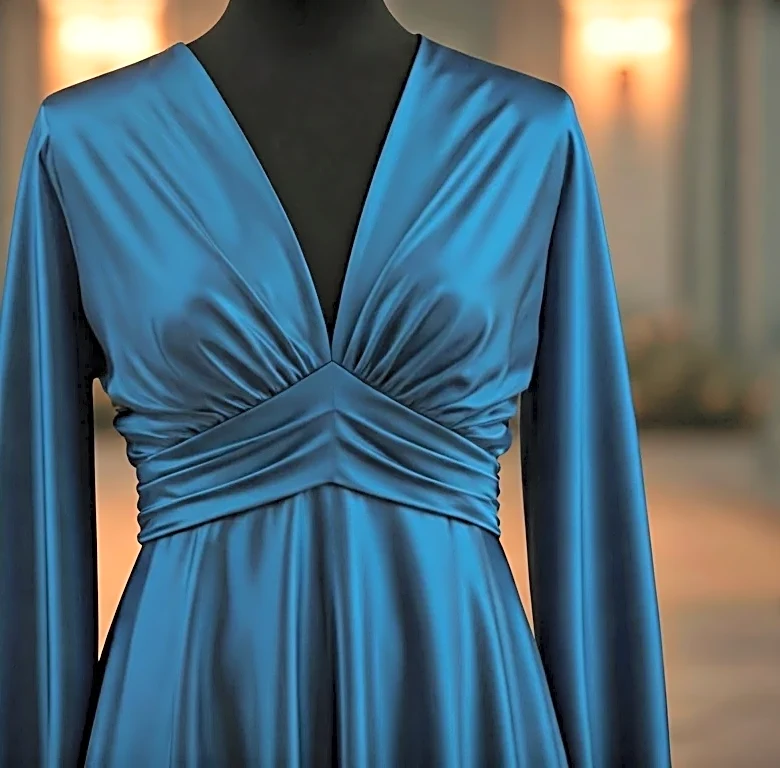
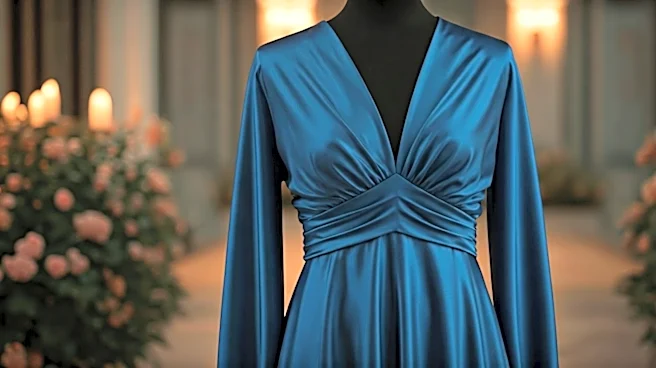
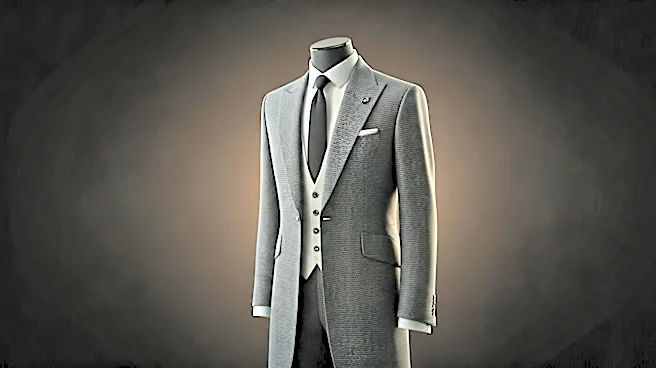
The Ascot dress code is less a set of guidelines and more a series of non-negotiable decrees. In the Royal Enclosure, for instance, dresses and skirts must be of “modest length,” defined as falling just above the knee or longer. Straps on dresses must be at least one inch wide—no spaghetti straps, halternecks, or off-the-shoulder styles allowed. Midriffs must be covered. For men, it’s black, gray, or navy morning dress, which includes a waistcoat, tie, and a top hat. The rules are so specific that the event publishes an annual Style Guide, complete with diagrams, to prevent any fashion faux pas at the gate. While other enclosures are slightly more relaxed, the overall message is clear: this is about respect for tradition, not fleeting trends. It’s a system designed to create a uniform elegance, a sea of sophisticated silhouettes against the green turf of the racecourse.
The Hat: A Crown of Its Own
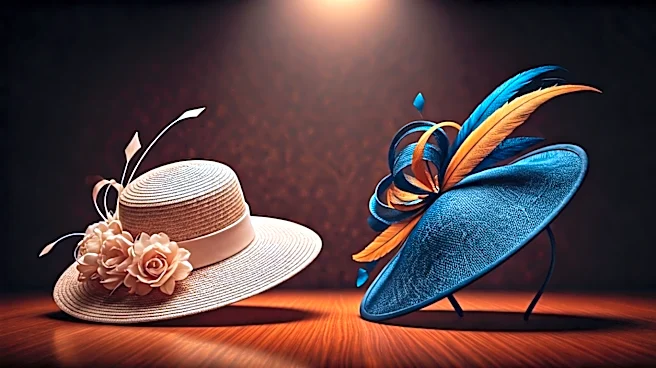
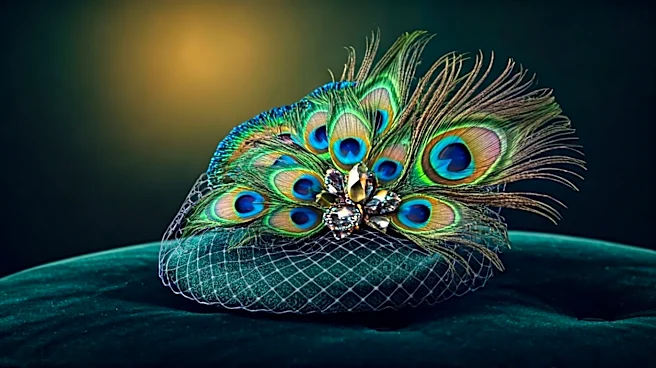
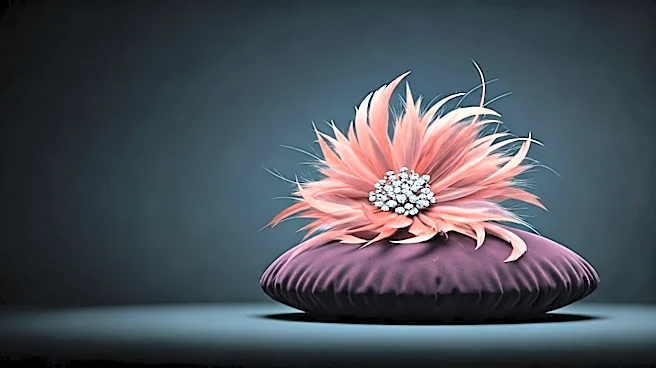
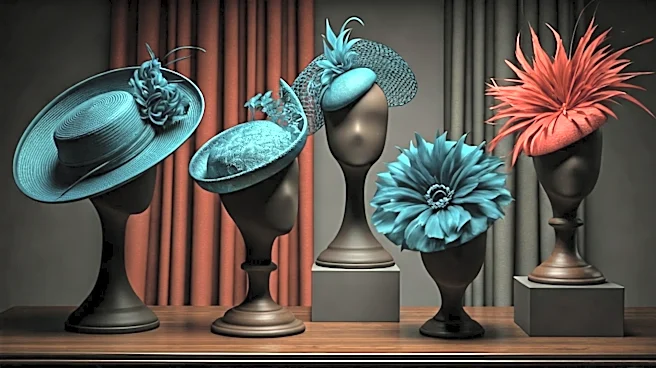
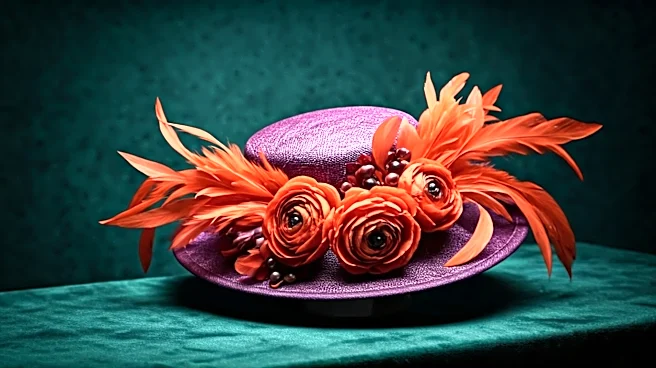
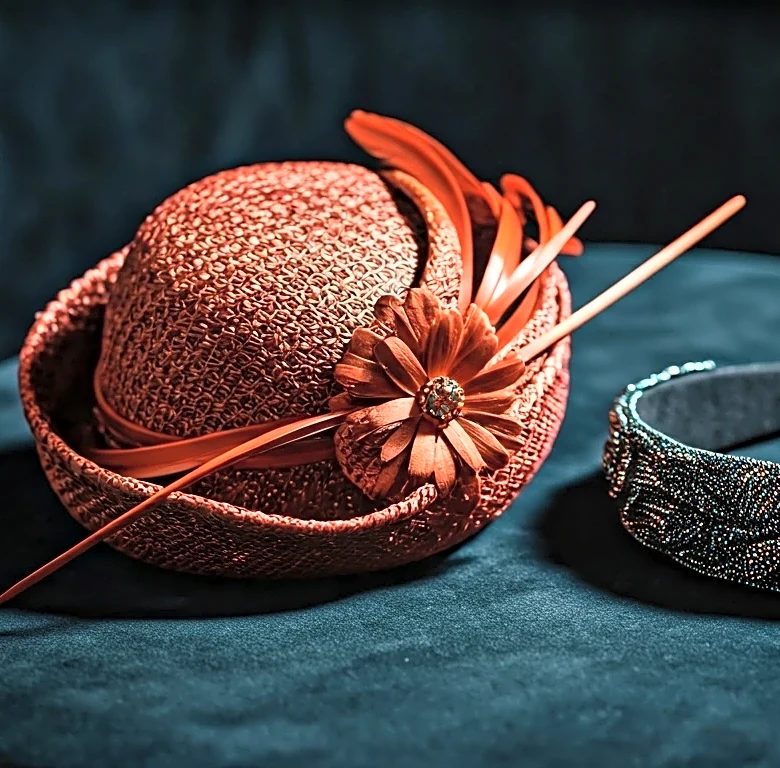
If the dress code is the skeleton, the headwear is the soul of an Ascot outfit. Here, the rules become even more granular and, frankly, more fascinating. In the Royal Enclosure, hats are mandatory. For a time, the smaller, clip-on fascinators became so popular that organizers had to clamp down. Now, a headpiece must have a solid base of at least four inches in diameter to be considered acceptable. This single rule transformed the headwear game, pushing attendees back toward grander, more structural hats and sparking a renaissance for milliners. The hat is where personality explodes. It’s the one area where peacocking is not only allowed but encouraged. You’ll see everything from elegant, wide-brimmed creations to sculptural works of art adorned with feathers, flowers, and architectural whimsy. It’s the ultimate expression of individuality within a system of conformity.
A Balancing Act of Tradition and Trend
This is what makes Ascot the ultimate test. It’s not about wearing the most expensive designer or the most avant-garde look. Success is measured by your ability to be creative within a very tight box. It’s a sartorial puzzle. How do you look modern and fresh while adhering to rules that are, in some cases, centuries old? Fashion-forward attendees solve this with clever use of color, texture, and silhouette. A classic A-line dress might be rendered in a shocking neon. A traditional two-piece suit might feature an unexpected pattern. It’s about signaling your fashion knowledge subtly. You’re showing that you understand the rules so well that you know exactly how to bend them without breaking them. Unlike the Met Gala, where the goal is to create a viral moment, the goal at Ascot is to earn a nod of approval from the discerning eye of the fashion traditionalist.