




The Festival as a Cultural Filter
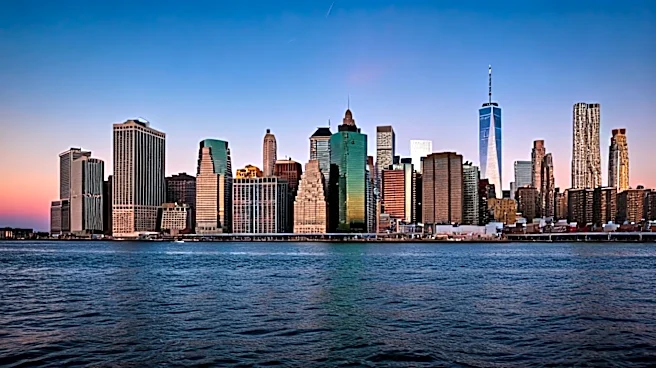
Film festivals have always been discovery engines, but Tribeca operates on a different frequency. Founded by Robert De Niro, Jane Rosenthal, and Craig Hatkoff in the wake of 9/11 to help revitalize Lower Manhattan, the festival has community and conversation
baked into its DNA. Unlike the industry-heavy bubble of Sundance or the high-glamour spectacle of Cannes, Tribeca is defiantly a New York City event. Its theaters are scattered across downtown, its audiences a mix of hardcore cinephiles, industry players, and curious locals who just walked in off the street. This unique blend creates a powerful incubator for buzz. When a film lands well here, it’s not just because critics liked it; it’s because it connected with a real, diverse, and vocal audience. That authentic, on-the-ground excitement is the first ingredient in transforming an unknown film into a hot topic.
Anatomy of a Group-Chat Movie
So, what kind of film becomes a “group-chat movie”? It’s rarely the most experimental art-house feature or the most technically complex sci-fi epic. More often, it’s a film that sparks an immediate, visceral reaction and demands discussion. Think of a sharp, witty romantic comedy with chemistry that leaps off the screen, like 2019’s Audience Award winner *Plus One*. Or a gripping documentary that unveils a shocking truth you can't wait to share, like *Honeyland*, which started its incredible journey to two Oscar nominations after wowing festival audiences. These are films built on relatable human emotion, clever hooks, and compelling characters. They leave you with a feeling—be it elation, outrage, or profound sadness—that is too big to keep to yourself. You don’t just watch them; you experience them, and the first thing you want to do after the credits roll is find someone, anyone, to talk about it with.
From the Big Screen to Your Phone Screen
This is where the magic really happens. The energy from a packed New York theater doesn't just dissipate onto the sidewalk. It’s immediately channeled into the digital world. A powerful screening at Tribeca can ignite a thousand simultaneous conversations across Twitter, Instagram Stories, and, yes, countless private group chats. A movie isn’t just a movie anymore; it's a piece of social currency. Being the first in your friend group to discover the next indie darling carries a certain cachet. Someone sees a film at a Tuesday night screening, texts three friends about it on Wednesday morning, and by Thursday, a distributor paying attention to social media chatter starts to see a pattern. This organic, peer-to-peer amplification is far more potent than a traditional marketing campaign. It feels personal and urgent because it is. It’s not an algorithm telling you what to watch; it’s a friend.
Why Tribeca's Voice Cuts Through the Noise
In the sprawling landscape of modern media, we are inundated with professionally managed hype. But the buzz from Tribeca feels different because it often is. The festival’s programming has always been broader than just film, incorporating television premieres, virtual reality installations, and even video games. This eclectic approach mirrors how people actually consume culture today—not in silos, but as a vibrant, interconnected whole. A film that premieres at Tribeca isn't just competing with other films; it's part of a larger cultural conversation happening in real-time on the streets of one of the world's most dynamic cities. That context gives its breakout hits a unique sense of relevance. They feel less like products being unveiled and more like discoveries being shared, making them the perfect fuel for our endless search for the next great thing to watch and talk about.